The EU is moving to tighten its carbon border levy, even as pressure grows from member states and industry to soften the scheme for politically-sensitive sectors such as fertilisers.
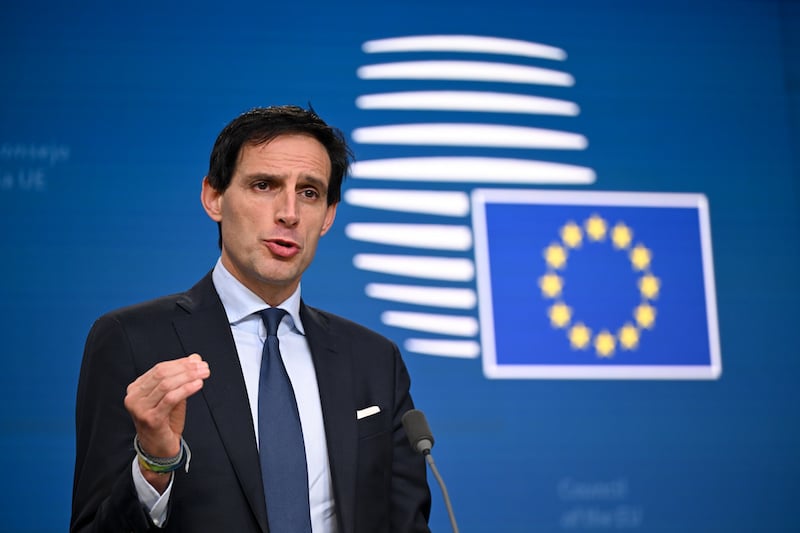
Climate commissioner Wopke Hoekstra, speaking in parliament on Wednesday (28 January), defended a temporary derogation for fertilisers, citing pressure on farmers and the risk of price increases.
“Europe’s fertiliser industry is operating at around 30-percent undercapacity and is typically cleaner than imports, a significant share of which still come from Russia,” Hoekstra told MEPs of the environmental committee.
“If I have to choose,” he said, “I would rather help our farmers,” adding that the bloc should not replace domestic production with dirtier imports.
At the same time, Hoekstra said the CBAM (Carbon Border Adjustment Mechanism) has been expanded to around 180 steel and aluminium-heavy products.
This is to prevent companies from dodging the tax by doing the most polluting parts of production outside the EU and then shipping the finished goods back in.
The expansion is expected to increase revenues by 23 percent, potentially generating €500m by 2030, and includes measures such as counting pre-consumer scrap in metals.
![[Interview] ‘Some of the resistance comes from people fearing they’ll end up without a job,’ says industry expert on Europe’s slow electrification](https://static.euobserver.com/2026/07/anja-van-de-gronde-PY7r5dJ_v-Y-unsplash-2400x1602.jpg)
 Wester van Gaal