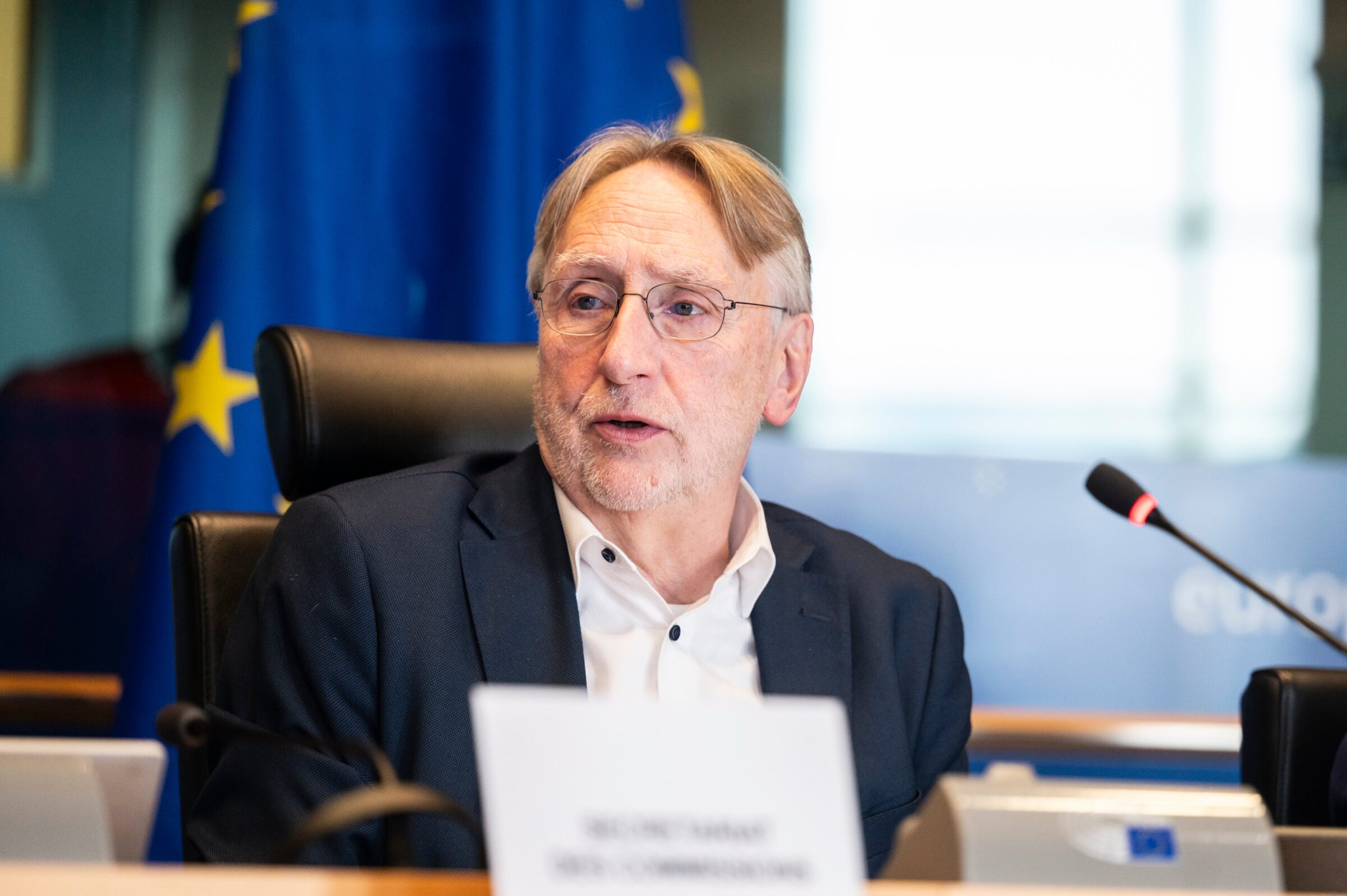
The European Parliament’s trade committee has agreed to “restart work” on green-lighting last summer’s EU-US trade deal, after centre-left lawmakers secured stronger safeguards against threats to EU territorial integrity.
The discussion among the parliament’s chief negotiators follows weeks of deadlock triggered by US president Donald Trump’s threat to “take control” of Greenland — which prompted MEPs to freeze its work on the deal.
Even though the US president later rowed back his tariff threats, centre-left and liberal lawmakers demanded clearer guarantees before unblocking the process.
A committee vote could now take place as early as 24 February, according to a communiqué shared by socialist trade committee chair Bernd Lange on Wednesday (4 February).
Crucially for the centre-left Socialists & Democrats group, the new approach now explicitly covers threats to the “essential security interests” of the EU or its member states as causes for suspension, including their territorial integrity, Lange said.
“We must set clear boundaries and be ready to freeze negotiations or the application of the EU–US deal itself at any moment, if the situation requires it,” he said.
No rubber stamp
“We will not rubber-stamp any deal with the US,” added Kathleen Van Brempt, S&D vice-president for international trade.
More details are expected next week, when another meeting of shadow rapporteurs is scheduled to take place, sources close to the negotiations told EUobserver.
Wednesday’s outcome amounts to a tentative win for the S&D.
Until now, existing suspension clauses were seen by centre-left and liberal lawmakers as too vague to deter renewed pressure from Washington.
And the conservative European People’s Party (EPP), by contrast, pushed back against the idea of adding new clauses, preferring instead to push ahead as quickly as possible after the worst of Trump’s Greenland threats seemed to have subsided.
“Blocking or reopening elements beyond parliament’s competence would only increase instability and undermine Europe’s credibility,” the EPP said ahead of the talks, warning that every year of delay costs EU importers and consumers around “€5bn” in duties and "prolongs uncertainty" in the €1.6tn transatlantic trade relationship.
But in the end, “everybody agreed to the suspension clause,” a person with close knowledge of the negotiations told EUobserver
Even though the European Parliament has yet to give its formal consent, the agreement is already being provisionally applied.
This article was updated on 5 February 2026 to clarify that the 2025 trade agreement does not undergo formal legal ratification.

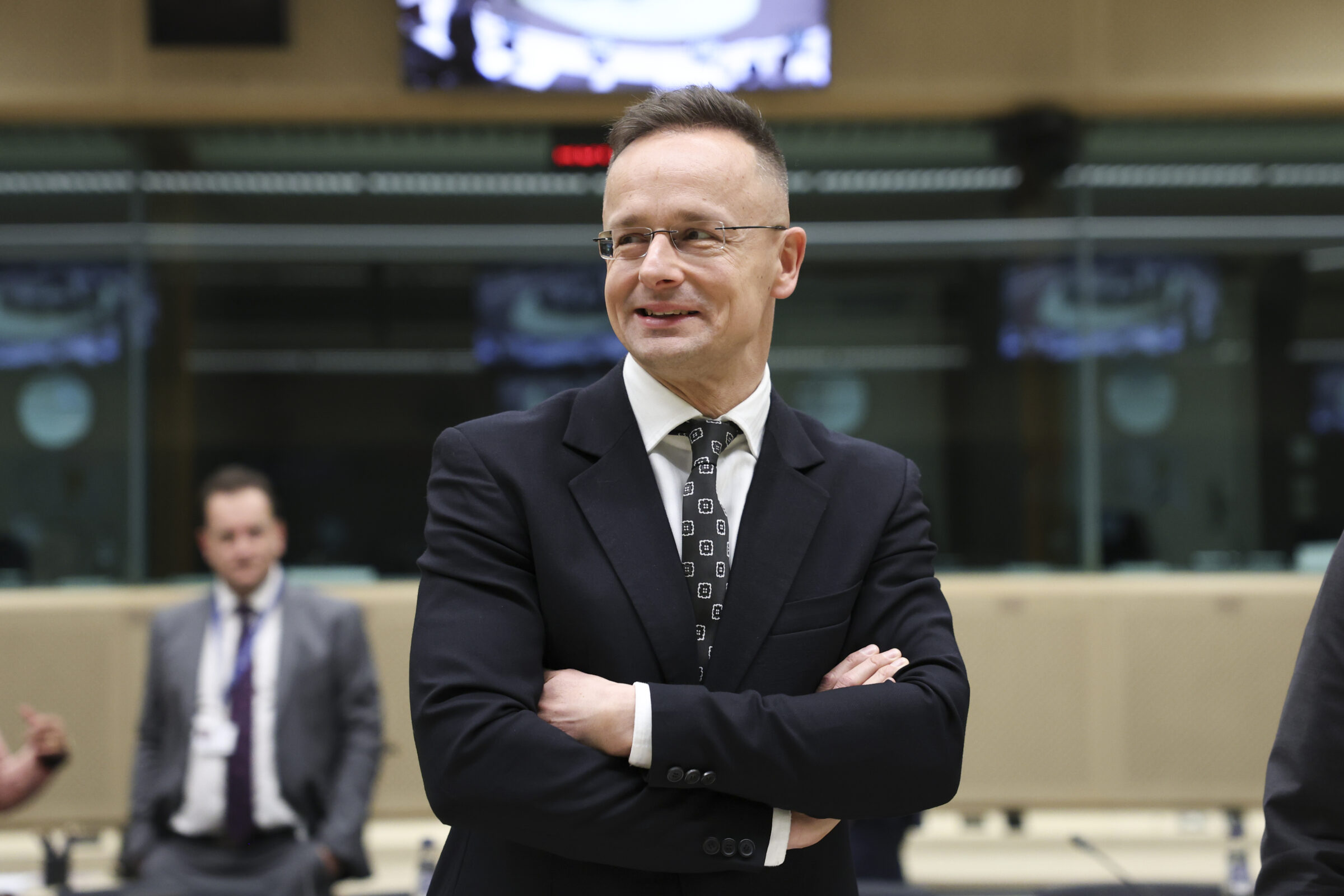
 From Trojan Horse in Brussels to executive for China’s BYD – Hungary’s Szijjártó makes classic ‘revolving doors’ move
![[Interview] The US Democrat trying to convince Brussels to stand up to Trump on methane](https://static.euobserver.com/2026/07/Captura-de-Pantalla-2026-07-13-a-las-18.28.15.png)
![[Interview] ‘Some of the resistance comes from people fearing they’ll end up without a job,’ says industry expert on Europe’s slow electrification](https://static.euobserver.com/2026/07/anja-van-de-gronde-PY7r5dJ_v-Y-unsplash-2400x1602.jpg)

 Ukraine’s new French and Swedish jets will pose threat to Russia’s top warplanes (Ukraine Battlefield update: Day 1,605)
 Wester van Gaal