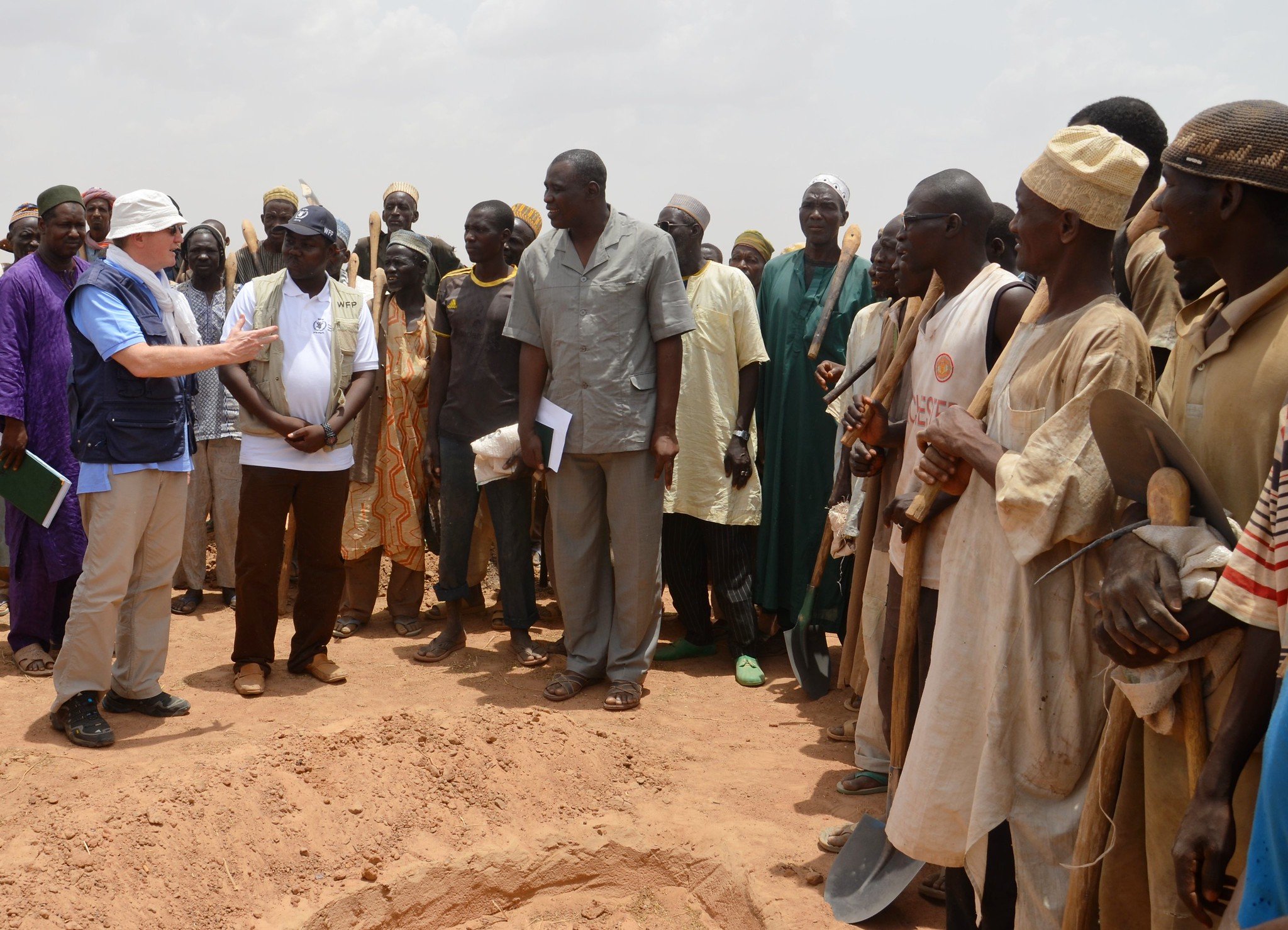
The EU Commission will table a blueprint on humanitarian aid reform later this year, amid growing concern that the traditional model of development aid is now in its death throes.
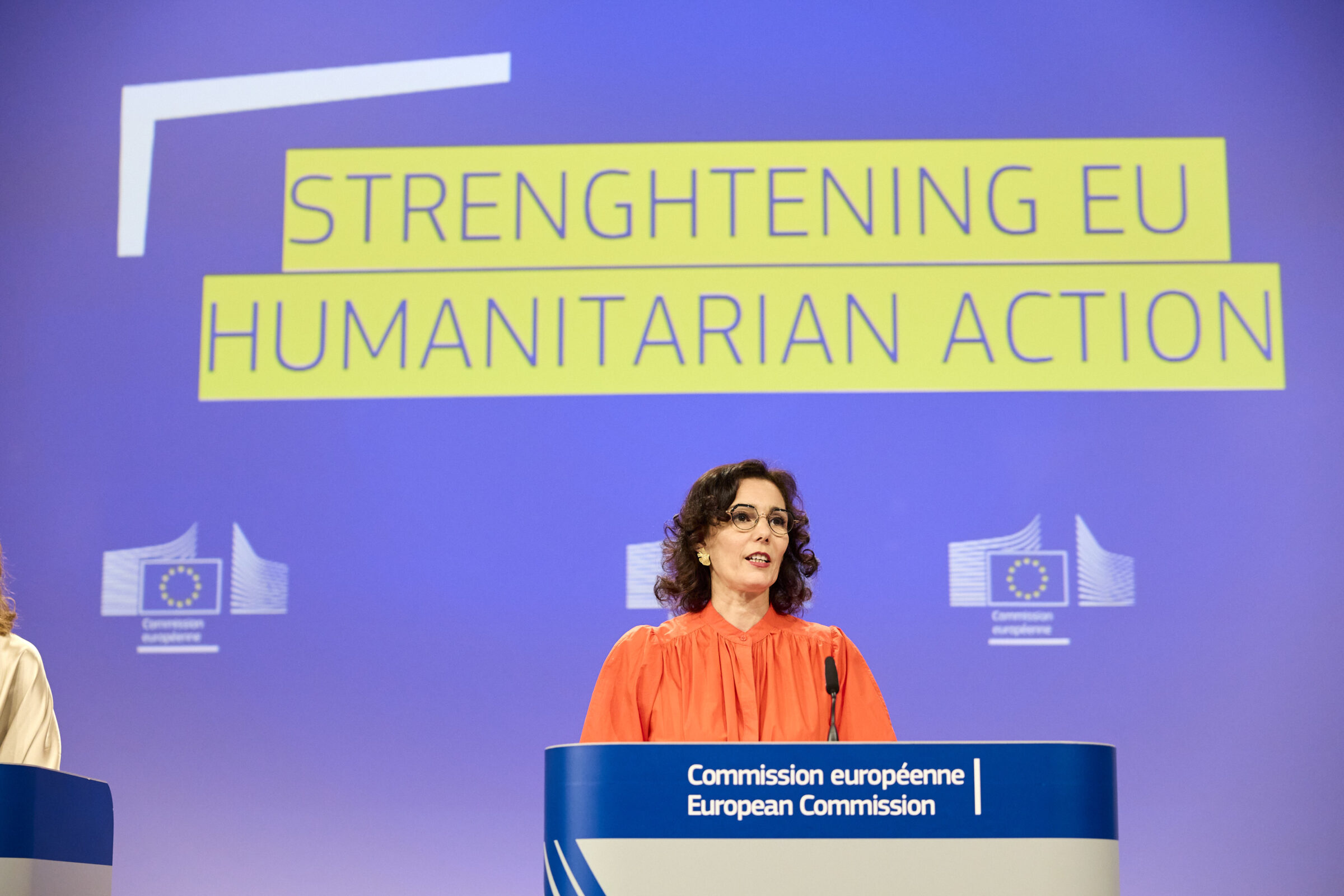
“The humanitarian system is going through a reset,” a commission spokesperson told reporters in Brussels on Wednesday (4 February).
She added that the commission’s paper would be published in the second half of 2026 and would “address the challenges and changes facing the humanitarian system.”
That would include finding new ways to work with other actors, including the private sector, according to the spokesperson.
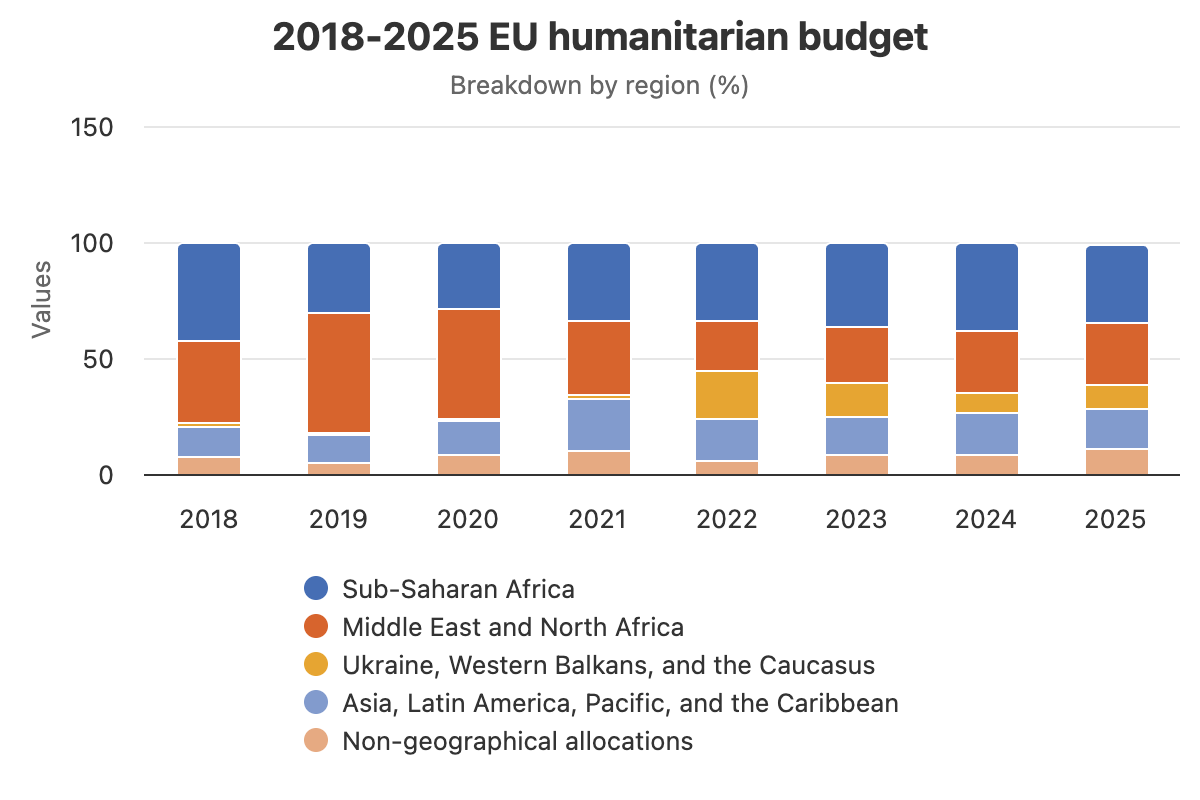
The EU executive says that €1.9bn has been allocated for humanitarian aid in the 2026 EU budget, and the commission spokesperson told reporters that the EU would not follow other donors, many of them EU member states, in cutting aid and stated that the EU was “a committed and responsible humanitarian donor.”
UN GDP target over?
That is the latest recognition that the traditional aid model of governments aspiring to meet a UN-agreed target of spending 0.7 percent of gross national income (GNI) on humanitarian aid is over.
The commission spokesperson said that the paper would also look at ways to improve supply chains, commenting that “we are seeing humanitarian actors struggle to get access to conflict zones”.
That has been a long-running problem for agencies attempting to supply aid to Gaza against obstruction from the Israeli government.
UN agencies, for their part, have observed an uptick in attacks on aid convoys in other conflict zones, such as the civil war in Sudan.
In December, the United States froze its financial support for the Somalian government following a raid on a UN World Food Programme warehouse in Mogadishu — although WFP officials have told EUobserver that the supplies have since been recovered in full.
The UN is facing its own existential crisis as a result of collapsing support from donors, chiefly from the US Trump administration but also leading EU aid providers such as France, Germany, Sweden and the Netherlands.
The OECD, the Paris-based institution of around 30 wealthy countries, most of European and North American states, which sets the global rules for what can be classified as official development assistance, will host a summit in May billed as a ‘global conference on strategic directions for international development co-operation in a changing world’.
Meanwhile, at its latest gathering in Davos, the World Economic Forum formally set up a ‘Global Future Council on Re-imagining aid’.
Led by former UK diplomat and Africa minister Lord Mark Malloch Brown, it has been tasked with looking at whether policymakers can “assemble a new set of principles and concepts for new, reimagined forms of international cooperation.”
However, critics of the OECD and WEF fear that donor fatigue and dwindling taxpayer funded aid will mean contracting out humanitarian aid and development to the private sector.
During the Davos meetings, EU crisis management commissioner Hadja Lahbib hosted a gathering of leaders, UN agencies and business leaders aimed at building “new alliances for aid and development” with companies.


 (Ukraine Battlefield update, Day 1,574): Russia jamming Starlink and dirties own fuel to blunt Ukraine’s advances
 Benjamin Fox