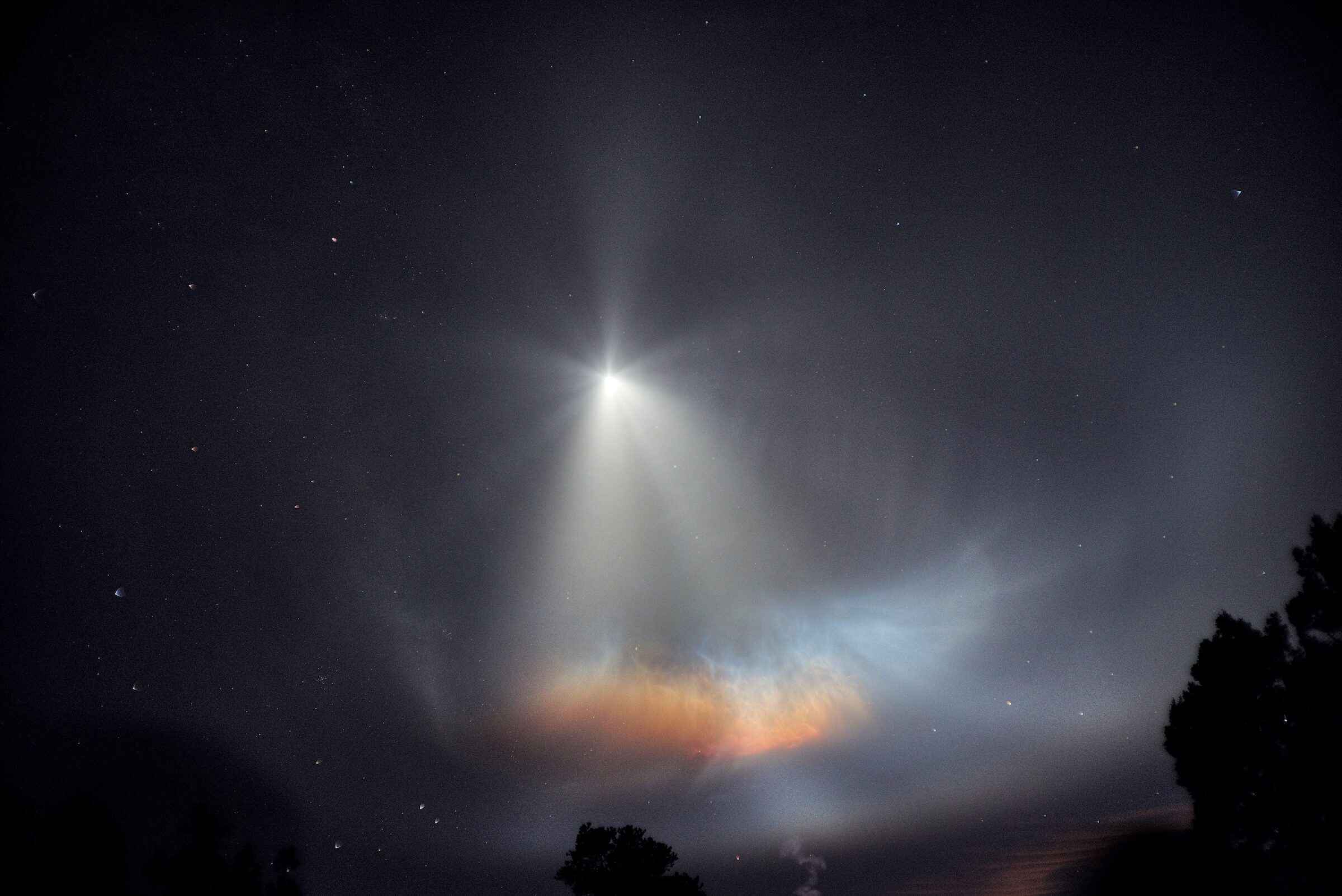
Russia’s ‘Cosmos-2589’ satellite might be one to watch in terms of potential spying on EU signals, after an older model joined a “graveyard orbit”, a leading space writer has said.
Cosmos-2589 has been “slowly manoeuvring to geostationary orbit [GEO], which it hasn’t reached yet,” since last November, said Bart Hendrickx, a Belgian writer on satellite technology, who contributes to The Space Review magazine.
The GEO belt, some 36,000km above Earth, is home to EU and international communications satellites.
Cosmos-2589 was made by Russian firm AO Reshetnev, which also made Luch-class spy satellites, which had been openly listening to Western communications since 2014.
Its Cosmos-unit might be an entirely different model, Hendrickx cautioned.





 Blastoff — a moment of hope, from space
 Ukraine’s new commander has three ways to win the war: training, drones and culture change (Ukraine Battlefield update, Day 1,610)
 Andrew Rettman