EU officials have challenged their counterparts from the United Arab Emirates over the country’s support for the Sudanese militia — accused of multiple war crimes and attacks on UN aid convoys.
Commission foreign affairs spokesperson Anouar el Anouni told reporters on Monday (9 February) that the bloc had “during its political dialogues and exchanges with the UAE been raising its concerns about reported UAE support for the RSF [Rapid Support Forces] at various levels”.
The EU has faced criticism in some quarters for declining to sanction the RSF in its entirety as a terrorist organisation, and for holding trade talks with the UAE despite Abu Dhabi’s leading proxy role in the Sudan civil war, which has killed an estimated 400,000 people and displaced several million.
The EU added five senior players in the Rapid Support Forces, including Algoney Hamdan Dagalo Musa, a brother of RSF leader Mohamed Hamdan Dagalo aka Hemeti, to its sanctions list at its most recent meeting of foreign affairs minister on 29 January.
Two allies of the Sudan Armed Forces (SAF), which supports the government in Khartoum, were also added to its sanctions list including Al-Misbah Abu Zaid Talha, the Commander of the Islamist militia Baraa bin Malik Battalion.
The SAF, which controls the current government in Khartoum, has been pushing the EU to take a tougher stance against the RSF and the UAE, including by designating the RSF as a terrorist organisation — a move that has been resisted by Brussels. It has also called for the EU to lift sanctions against the SAF.
Three years of civil war
After nearly three years of civil war, Sudan has effectively been partitioned, with the SAF controlling the capital Khartoum and the key port of Port Sudan in the country’s north east. The RSF, meanwhile, controls Darfur and most of western Sudan.
The war has also become a proxy conflict for the Gulf states.
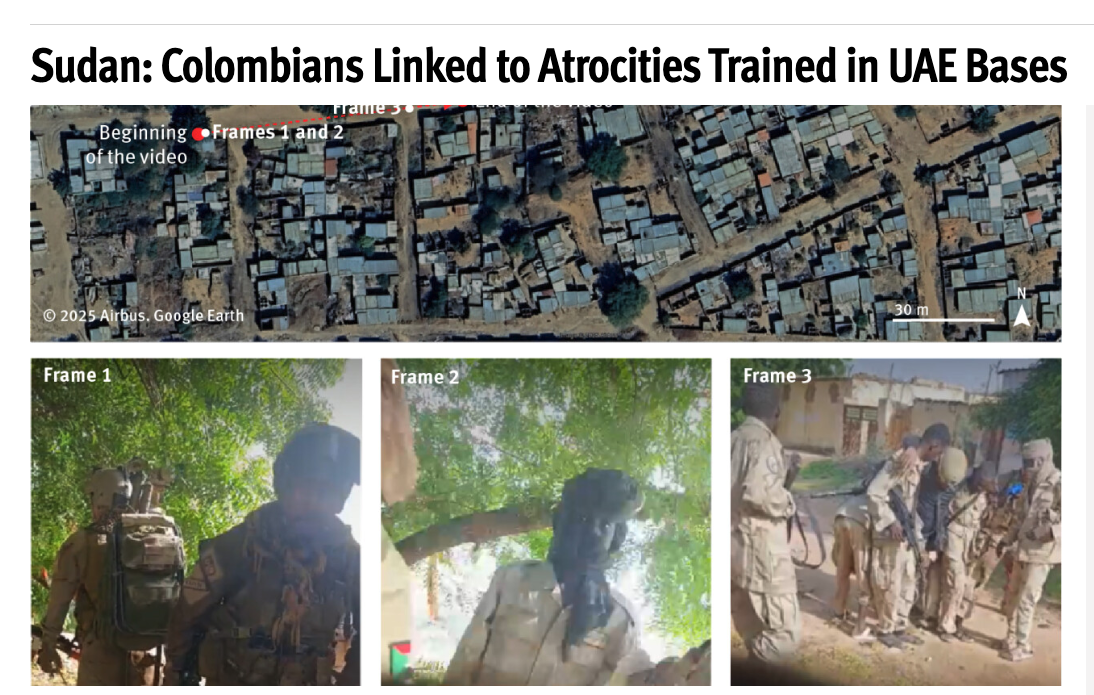
The UAE is the RSF main international ally and has supplied it with cash and weapons in exchange for gold.
For its part, the SAF is backed by Egypt and Somalia, while Saudi Arabia has promised to help finance the rebuilding of Khartoum and wants to increase its own gold purchases.
A commission spokesperson also pointed to a “dramatic escalation of violence” in the civil war in recent weeks.
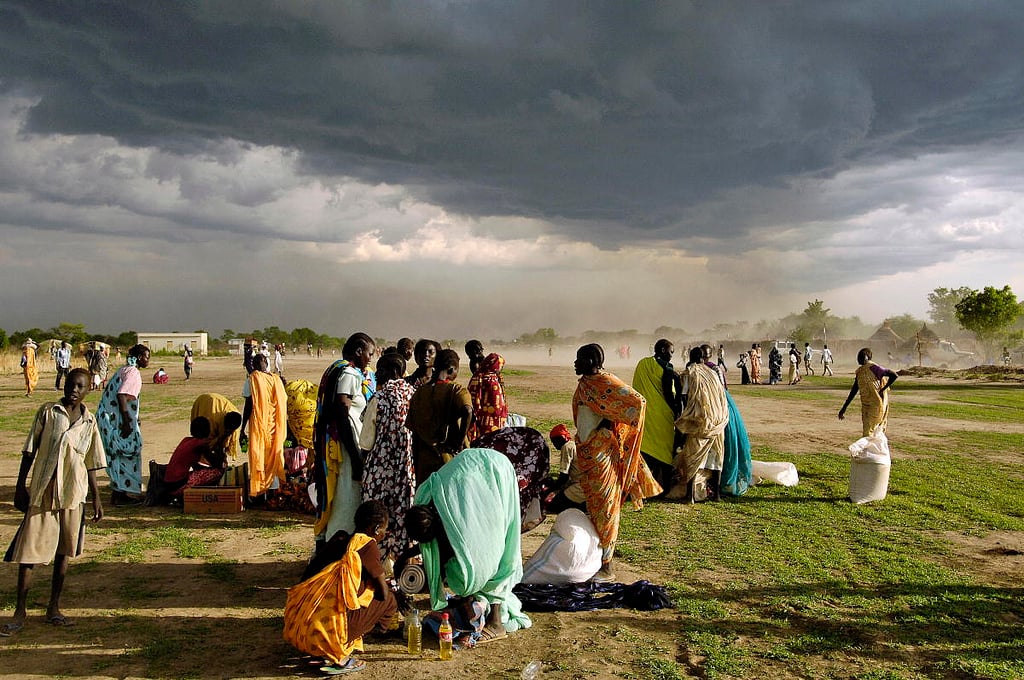
Last week, the RSF was blamed for an attack which killed at least 24 civilians in western Sudan, a day after attacking a UN World Food Programme convoy carrying emergency food supplies in the same region.
UN and other international aid agencies have reported that multiple war crimes and atrocities have been committed by both sides, with some warning that the RSF’s crimes in the Darfur region may amount to genocide.
Brussels’ trade agenda
The EU’s diplomatic role has, arguably, been complicated by its trade diversification agenda.
The EU and UAE are currently engaged in negotiations on a trade deal which started last July and, say officials, have advanced rapidly. A fifth round of trade talks is expected to be held in the coming weeks.
The EU commission is also in talks on a similar deal with the Gulf Cooperation Council, a regional bloc which also includes Saudi Arabia.
A trade pact with Brussels would, UAE hopes, help to diversify its own economy beyond oil and enhance its role as a trade and investment hub in the Middle East.
For its part, EU officials hope that an agreement could secure better access to energy resources and critical raw materials, both key priorities as the bloc seeks to reduce its dependence on Russia and China.
 Shocked Russians watched worst attack on Moscow since the start of war (Ukraine Battlefield update, Day 1,575)
 Benjamin Fox