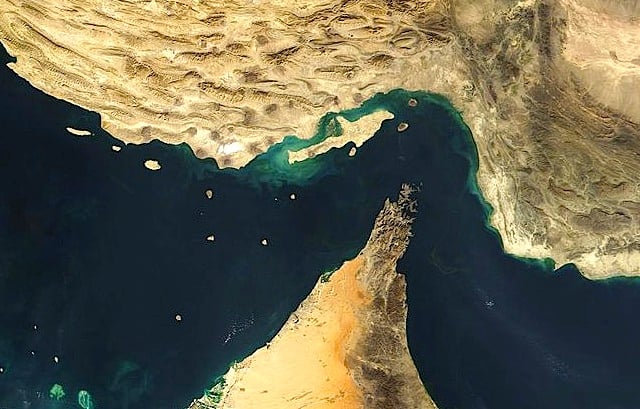
After responding meekly to the US-Israeli assault on Iran last week, expecting a quick resolution, oil traders panicked over the weekend as the Strait of Hormuz was kept shut.
The benchmark oil price jumped from $93 [€80] to $119 within hours on Monday morning (9 March), as Iran escalated its attacks on neighbouring countries and appointed Ali Khamenei’s hardline son, Mojtaba, as supreme leader — suggesting a swift end to the conflict is unlikely.
It’s “the biggest daily move since 1988,” said Sparta Commodities in a statement, adding that markets are “repricing the crisis as a real supply disruption rather than a temporary logistics issue.”
Public comments from Iranian officials suggest Iran’s war aims may be to inflict maximum economic damage on the US and their supporters.
“Nine days into Operation Epic Mistake [and] oil prices have doubled while all commodities are skyrocketing,” said Iranian foreign minister Seyed Abbas Araghchi on social media on Monday — a reference to the White House’s Operation Epic Fury.
“We know the US is plotting against our oil and nuclear sites in hopes of containing the huge inflationary shock. Iran is fully prepared,” he added.
Meanwhile, Europe’s response to Monday’s oil surge was anything but unified. Some officials called for a faster shift to clean energy, while others wanted to import more oil and gas from other places.
Spanish example
Europe remained “very much focused on speeding up investments in clean energy,” said an EU commission spokesperson on Monday.
“Member states with the lowest prices have the highest share of renewable energy in their mix,” she added, likely referring to Spain, which has invested heavily in renewables since the last energy crisis and recorded the lowest and least volatile energy prices this week.
But EU Commission president Ursula von der Leyen on Monday floated the possibility of deepening the Trans-Caspian gas and oil corridor that connects central Asia to Europe through the Caspian sea, to further diversify supplies, which she suggested might also bring “peace to a troubled region.”
Experts, however, say that in an energy system where prices are set on open markets, swapping one supply line for another has little effect, companies can always sell their supplies to the highest bidder.
Indeed, “shifting fossil import-dependencies from Russia to the US or other fossil producers after 2022 has not made Europe’s energy system more resilient,” said Luke O’Callaghan-White who is an energy expert at climate think tank E3G to this effect.
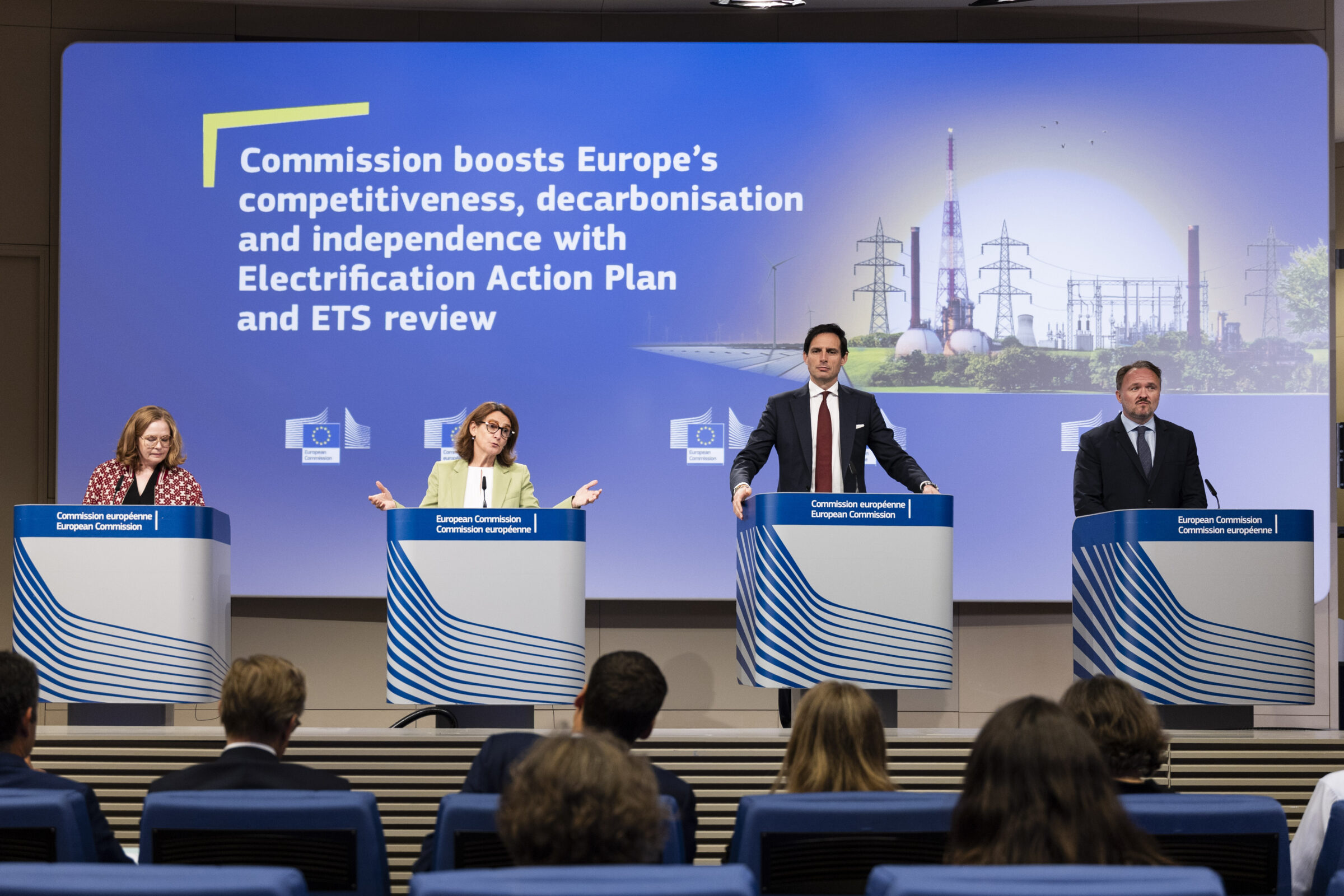
“The answer is not new dependencies but faster electrification, renewables and efficiency. The clean transition is Europe's shield against volatility,” said EU competition and climate chief Teresa Ribera at an event last week in similar vein.
Yet, Beyond Fossil Fuels, a European civil society group, pointed out on Monday that 102 new gas power projects have been announced or are in the pre-construction phase in Europe.
While not all of these projects may be built, any expansion would deepen Europe’s reliance on imported fossil fuels, green groups say.
“The answer lies in more flexible use of clean power, not gas,” said Juliet Phillips, a campaigner at Beyond Fossil Fuels.
Or, as longtime climate campaigner Bill McKibben put it in a newsletter on Friday: “Sunlight travels 93 million miles to reach the earth. None of it through the Strait of Hormuz.”
Tuesday's commission energy package
On Tuesday, the commission will unveil an energy package which will help deal with high energy prices for some consumers, but will not lessen Europe’s dependence on imported fossil fuels.
A more comprehensive ‘energy security package’ is expected in May and will include the long-awaited electrification blueprint that will help accelerate the continent’s shift from fossil fuels to electricity-based solutions.
Tuesday’s package includes additional support for low-income households struggling with high energy bills, alongside measures to boost grid investment which is needed for future electrification.
The commission will also unveil plans for small modular nuclear reactors (SMRs), a technology that is being promoted as a potential source of ‘base load’ power to complement wind, solar, and battery storage, but does not yet exist.
Because of the technical challenge, analysts have warned that SMRs are far costlier than existing renewables, saying that a rapid roll-out of this new technology is “too late, too expensive, too risky and too uncertain” to help Europe decarbonise rapidly.
Release strategic reserves?
On Monday, EU and G7 finance ministers, along with heads of the IEA, IMF, World Bank, and OECD, met to explore ways to ease oil prices more rapidly, including the potential release of strategic petroleum reserves. The news briefly pushed oil futures down to below $100 a barrel.
But while Europe holds roughly 1.4bn barrels in reserve, most of this is earmarked for domestic use, and ministers stopped short of committing to a release. “We’re not there yet,” said French finance minister Roland Lescure on Monday.
Instead, the group issued a more cautious statement, saying governments would “stand ready” to take “necessary measures, including to support global energy supply, such as stockpile releases.”
Talk of a release was “largely symbolic,” said Jorge Montepeque, oil market expert at Onyx Capital, in a podcast on Monday, suggesting most countries need their reserves for themselves.
He added that the only nations capable of putting enough oil on the global market to make a real dent in physical shortages are the United States and China, though he viewed Beijing as unlikely to act as it “would help the US.”
G7 energy ministers are set to meet Tuesday to discuss the move further.


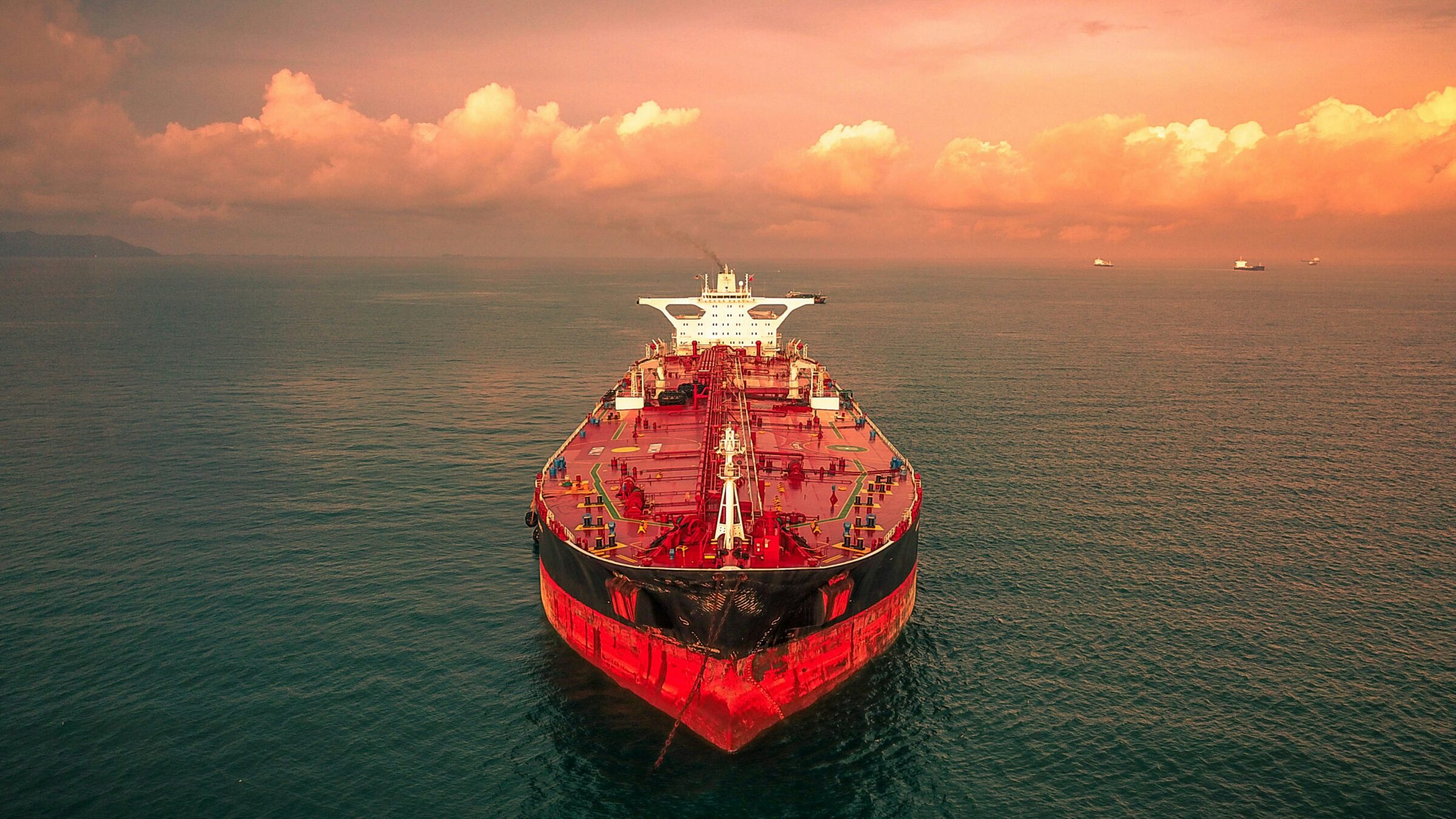
 Are oil markets too optimistic?
![Rima Hassan in her Brussels office: '[It's] not merely a lack of courage; it is a criminal policy to advocate for a two-state solution today'](https://static.euobserver.com/2026/07/DSC_0345-2-2400x1602.jpg)

![[Interview] ‘Some of the resistance comes from people fearing they’ll end up without a job,’ says industry expert on Europe’s slow electrification](https://static.euobserver.com/2026/07/anja-van-de-gronde-PY7r5dJ_v-Y-unsplash-2400x1602.jpg)
 Wester van Gaal