Production: By Europod, in co-production with Sphera Network.
EUobserver is proud to have an editorial partnership with Europod to co-publish the podcast series “Briefed” hosted by Léa Marchal. The podcast is available on all major platforms.
You can find the transcript here if you prefer reading:
Donald Trump keeps turning up the heat on his allies.
Over the weekend, he warned that it would be “very bad for the future of Nato” if allies didn’t help secure the strait.
Are Europeans ready to step up and support the US?
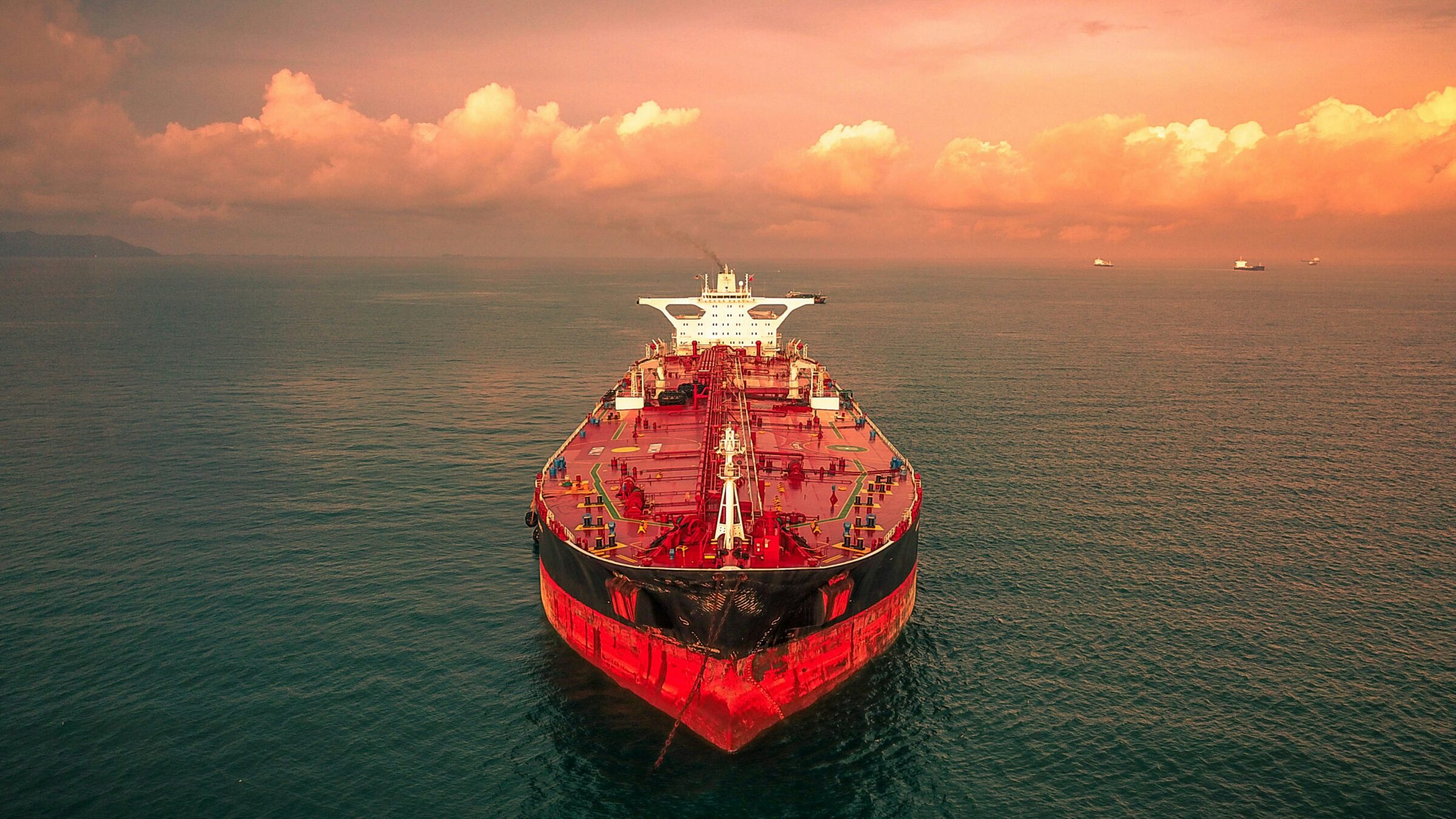
It’s been two weeks now since Iran claimed it was blocking the Strait of Hormuz, a critical chokepoint for nearly a quarter of the world’s oil. In our episode of Briefed from 4 March, we explained how high the stakes are.
In recent days, a few ships have reportedly passed through the strait—with Iran’s blessing. But here’s the catch: these were cargo ships headed to Asia. Iran has made it clear: no oil will be allowed through to countries it sees as allies of the US or Israel.
This standoff has sent oil prices soaring, with a barrel now hitting 100 dollars —up from $60 before the war began.
That’s why, on Sunday, US President Donald Trump called on several countries to help reopen the strait. He urged countries like the UK, France, China, Japan, and South Korea to send ships to the region.
His warning? “If there’s no response—or a negative one—I think it will be very bad for the future of Nato.”
Now, Nato's treaty states that if one member is attacked and invokes Article 5, the others must come to its military defence.
So, how are Europeans responding to Trump’s threat?
For now, EU countries semm to be on the same page: Let’s take things one step at a time—and not mix everything up.
Because here’s the thing: Nato's logic doesn’t apply to the Strait of Hormuz. That was the message from several EU countries during a meeting of foreign ministers in Brussels on Monday, 16 March.
The EU’s top diplomat, Kaja Kallas, made it clear even before the meeting started: “There are no Nato countries around the Strait of Hormuz, so this is outside Nato territory”, she said.
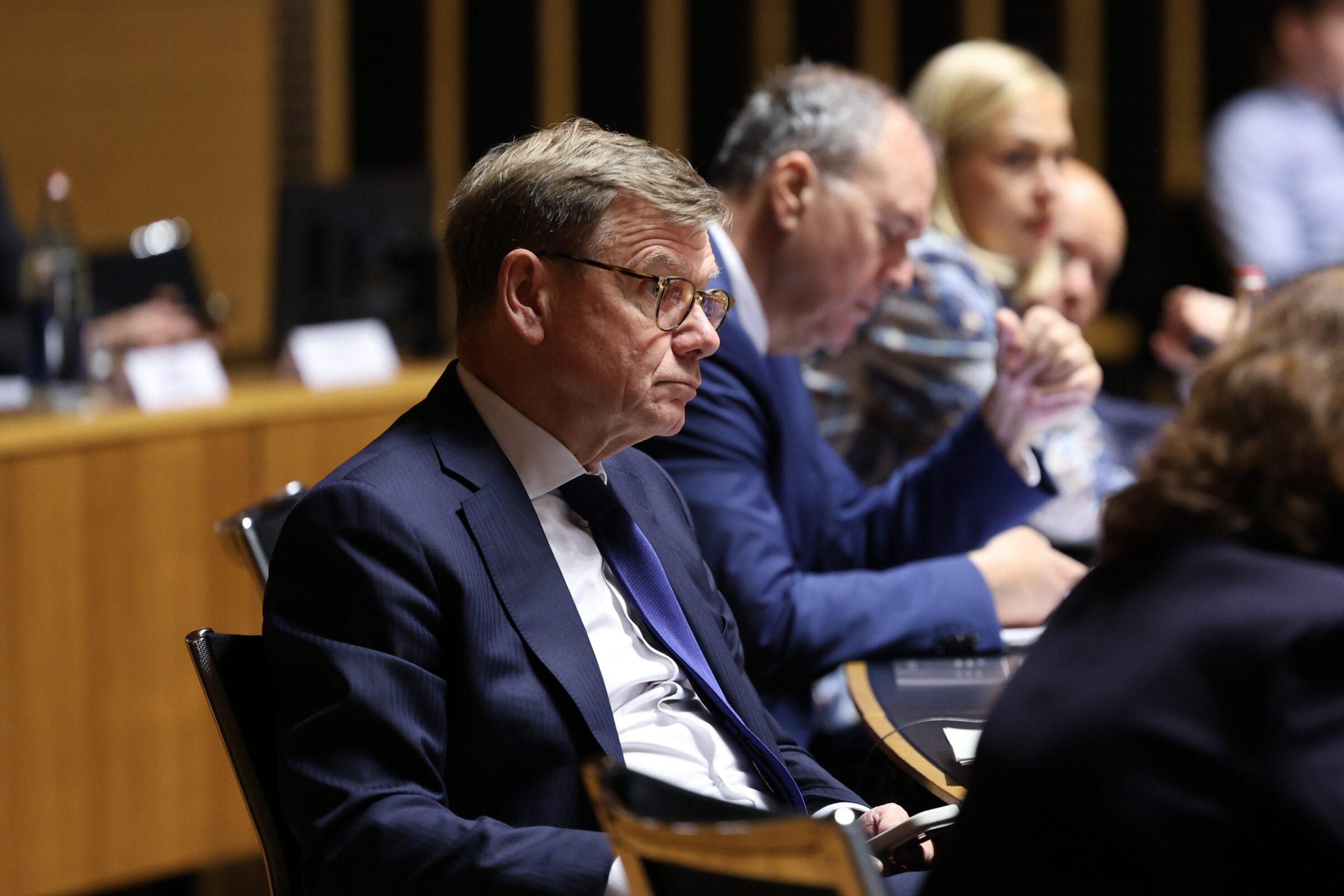
Germany’s foreign affairs minister, Johann Wadephul, doubled down, saying Nato has no responsibility for the strait. He also stressed that Europeans need clarity on US and Israeli strategy in the region before discussing any future commitments.
Estonia’s Margus Tsahkna was even more direct: “Nato is always ready to be activated, but we need to know what’s planned. We weren’t informed about the war. But we’re ready to talk.”
As for the UK, Prime Minister Keir Starmer said his country is working with allies to secure the strait—but made it clear the UK won’t be dragged into a wider war.
Does that mean Europe won’t budge an inch after Trump’s call?
Not quite.
Instead of shutting the door on the US president, Kaja Kallas suggested sending European ships to the region to escort cargo through the Strait of Hormuz.
The EU already has the ASPIDES mission in place — launched in 2024 to protect commercial ships from Houthi attacks in the Red Sea. And it’s about to get a boost with two additional French ships.
Kallas proposed adapting this mission to meet the needs in the Strait of Hormuz. But that would require unanimous agreement from all EU member states—and on Monday, several showed hesitation.
Italy’s Antoni Tajani told reporters that ASPIDES, which currently has three ships, isn’t suited for the Strait of Hormuz. Germany’s Johann Wadephul was also skeptical.
So, more discussions are needed before any decision is made.
One thing is clear: Europeans aren’t rushing to give in to Donald Trump’s threats.
They’re leaving the door strategically open for cooperation. But they also want to send a message to the Americans: The EU won’t blindly follow the US into a war that strays from international law—especially when they weren’t even consulted.

 Are oil markets too optimistic?