Production: By Europod, in co-production with Sphera Network.
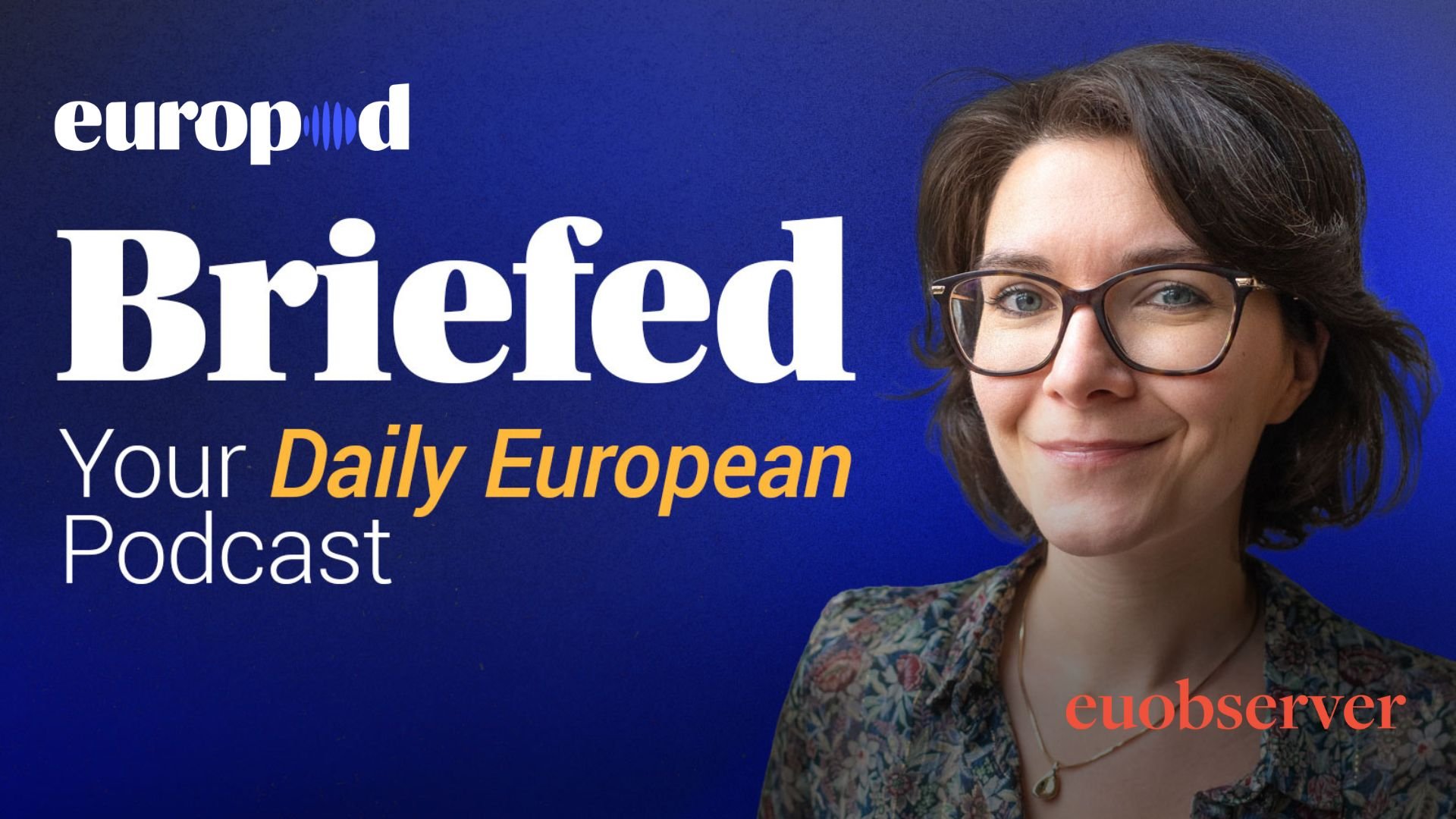
EUobserver is proud to have an editorial partnership with Europod to co-publish the podcast series “Briefed” hosted by Léa Marchal. The podcast is available on all major platforms.
You can find the transcript here if you prefer reading:
Total blackout, shortages of food and fuel, lack of medication…
The situation in Cuba is worsening day by day. According to the United Nations, the country has been pushed to the point of imminent humanitarian “collapse.”
What are the reactions of Europeans?
On 17 March, Samuele Maccolini, a journalist for the Italian media outlet VD News, boarded a plane from Milan to Havana. He joined one of the international convoys under the banner Nuestra América, in which around 500 people have taken part over the past few days.
Their goal is to break the island’s isolation, both materially and symbolically.
Since the capture of Venezuelan president Nicolás Maduro on 3 January, Cuba has not received any Venezuelan oil. The US is also threatening sanctions against any third country that delivers oil to Cuba. This embargo is completely choking the island.
In this context, the "corridor of solidarity" aims to deliver more than 20 tons of critical humanitarian aid to Cuba.
The Greek media outlet Popaganda, a member of the Sphera Network alongside VD News and Europod, reports that the cargo holds of aircraft and ships arriving in Havana since 17 March have contained, among other things: medical supplies from Italy, oncology drugs, and donations exceeding five hundred thousand dollars in solar panels and generators.
The convoy is composed of European citizens, representatives of solidarity organizations and trade unions, as well as a few members of the European Parliament from the political group The Left.
Prominent political figures such as Jeremy Corbyn, former leader of the UK Labour Party, and Pablo Iglesias, former leader of Podemos in Spain, were also on board.
Their motivation? To protest against Donald Trump’s sanctions, but also against what they perceive as a lack of reaction from European institutions. This is what Marc Botenga, a member of the Belgian anticapitalist party PTB, told the French media l’Humanité.
Members of the convoy are urging their governments and European authorities to pressure Donald Trump to lift the embargo on Cuba.
Where does the EU stand exactly?
Prior to the current crisis, the EU had urged the US to end the embargo against Cuba. Last October, most European countries voted in favor of lifting sanctions at the United Nations General Assembly.
But the vast majority of EU member states remain silent. Only Spain publicly announced in February that it would send humanitarian aid to the island.
More generally, Europeans tend to align with the US on this matter.
In January, the European Parliament called for the suspension of the Political Dialogue and Cooperation Agreement between the EU and Cuba.
This partnership seeks to promote democracy and human rights through constructive engagement with the regime. Within this framework, €125 million have been earmarked for cooperation with Cuba for the 2021–2027 period.
But parliamentarians believe that cooperation must stop. Due to Cuba’s documented worsening human rights record and its ties with Russia and Belarus, members of the European Conservatives and Reformists group in the Parliament have even called for an end to European funding for Cuba.
Organisations such as Amnesty International and Human Rights Watch regularly report that human rights defenders, journalists, and protesters are subject to arbitrary arrests and criminal prosecution by the regime, often considered a dictatorship.
However, suspending the cooperation agreement could significantly reduce humanitarian funds for a country that desperately needs them at the moment.
The EU would still have tools at hand to send humanitarian aid if it wants. But for that, Europeans need to position themselves inbetween Cuba and Donald Trump