EUobserver reporter Nikolaj Nielsen is on the ground in Ukraine this week, as Russia escalates drone attacks and the EU’s foreign policy chief Kaja Kallas visits to mark the Bucha massacre anniversary, amid rising tensions over blocked EU aid and Russian oil transit.
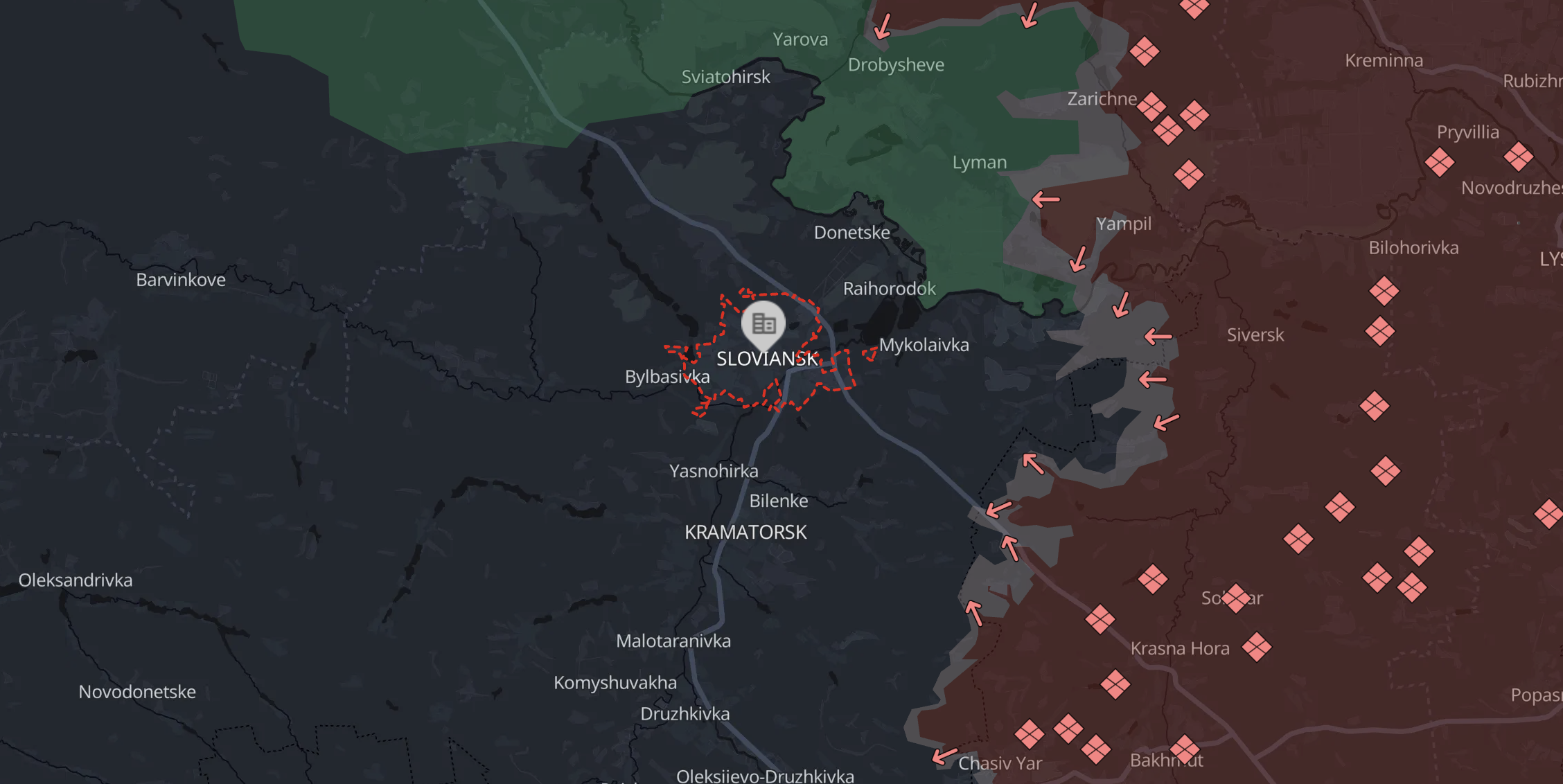
Earlier this week, a Russian airstrike hit a maternity ward in Sloviansk, a city in the Donetsk region less than 30km from the frontline.
No casualties were reported, but the attack signals a renewed offensive as Russian forces claim to have captured the nearby village of Brusivka, northeast of the city.
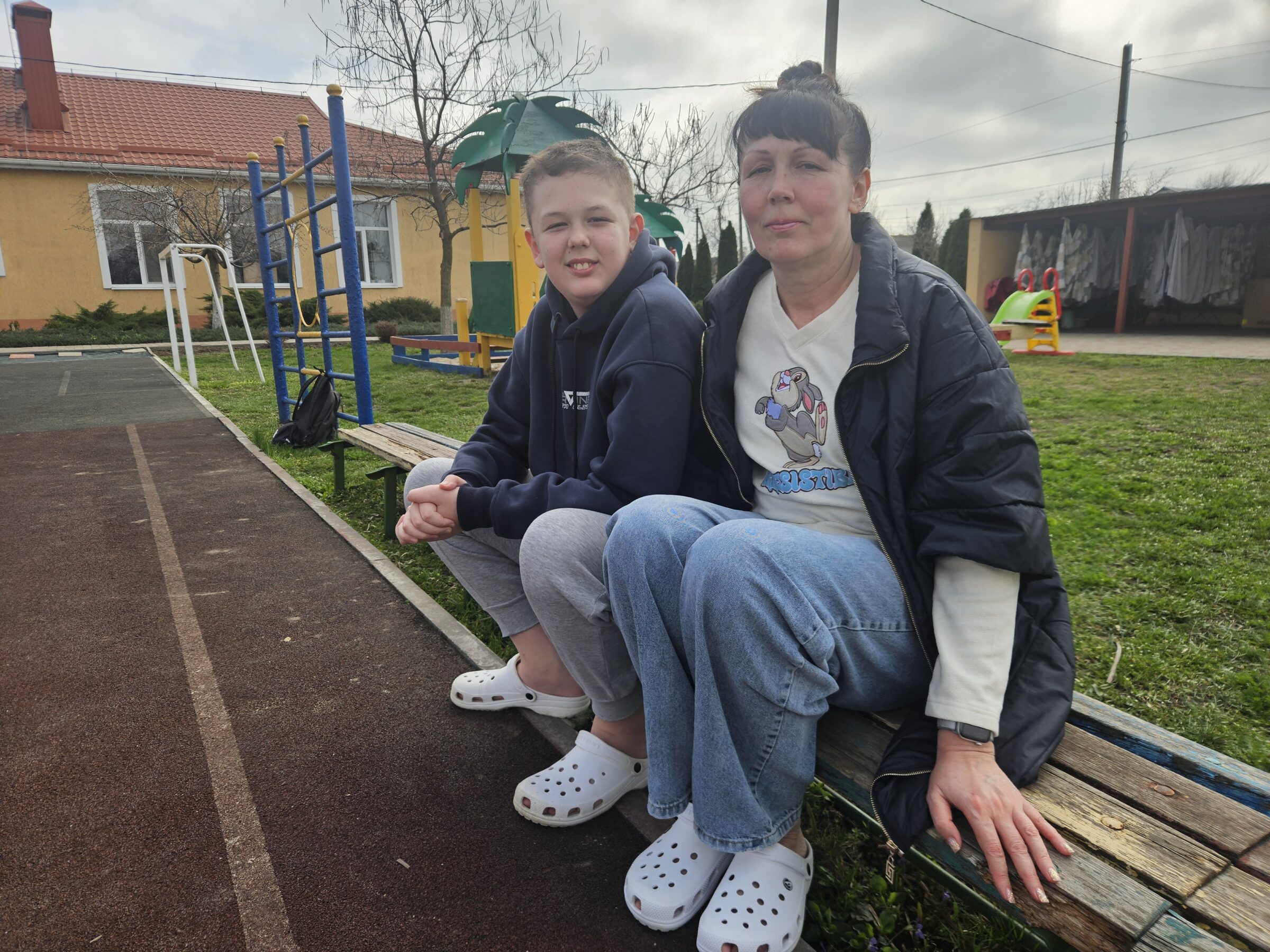
For 33‑year‑old single mother Minko Svitlana, it was one strike too many. She fled Sloviansk with her 11‑year‑old son, Dmytro, after authorities ordered the mandatory evacuation of children from the city.
“I fled for the safety of my son,” she told EUobserver on Tuesday (31 March).
Weeks of relentless drone and artillery strikes, including repeated attacks with Iranian‑designed Shahed drones, had made life in the city impossible.
Just last month, a Russian guided bomb struck a residential block, killing an 11‑year‑old girl and her mother.
Fighting back tears, Svitlana said she doubted she would ever return to the city she once called home. “It was impossible to live there,” she said quietly.
While the past three years in Sloviansk have been difficult, the last few months were beyond tough, she said.
Svitlana said there is hope for them yet.
But she says Sloviansk will still be too dangerous to return once the war is over, fearing mines will have been laid.
The pair are hoping to go to Germany and are currently staying at a transit centre for displaced people in Stepove, a quiet rural village some 30km from the industrial city of Dnipro.
“All the children here [at the centre] are traumatised,” says Rehina Ivchenko, a Dnipro resident who works with the International Rescue Committee, an aid organisation supporting displaced families.
Ivchenko and her colleagues try to help the children cope with their anxiety through games and group exercises designed to restore a sense of normality.
Among the youngest in the centre is a three‑year‑old girl in pink clogs and a white hoodie stamped with the word petite in blue.
She has only known war. And although she seems cheerful at first glance, as Ivchenko notes, appearances can be deceiving. Many of the children struggle to focus or express their emotions despite outward smiles.
Most come from frontline villages and towns, carrying the invisible weight of war: Pokrovsk, Kramatorsk, Mezhova and others.
The Russians already reduced Mezhova to near rubble in late December.
Russia's 90th tank division and a separate 71st separate battalion of special forces are only 20km away from the village, according to DeepState, an open-source intelligence interactive online map.
On Sunday, a Russian guided air bomb wiped out a Mezhova building hosting the editorial office of the Mezhivskyi Meridian newspaper.
Ukrainian defence forces said they had on Monday (30 March) repelled multiple Russian advances near dozens of small towns, including Pokrovsk.
Roman Mykyta Voldymirovich runs the transit centre in Stepove says the families it helps are dealing with a wide range of traumas, many which are still fresh.
"They really need psychological, medical and legal help," he says, who is is himself an displaced refugee from Kramatorsk.
The International Rescue Committee is reimbursing travel expenses for EUobserver’s trip through Ukraine.

 Russia is likely preparing for a massive autumn mobilisation of over a million soldiers (Ukraine Battlefield update, Day 1,589)
 Nikolaj Nielsen