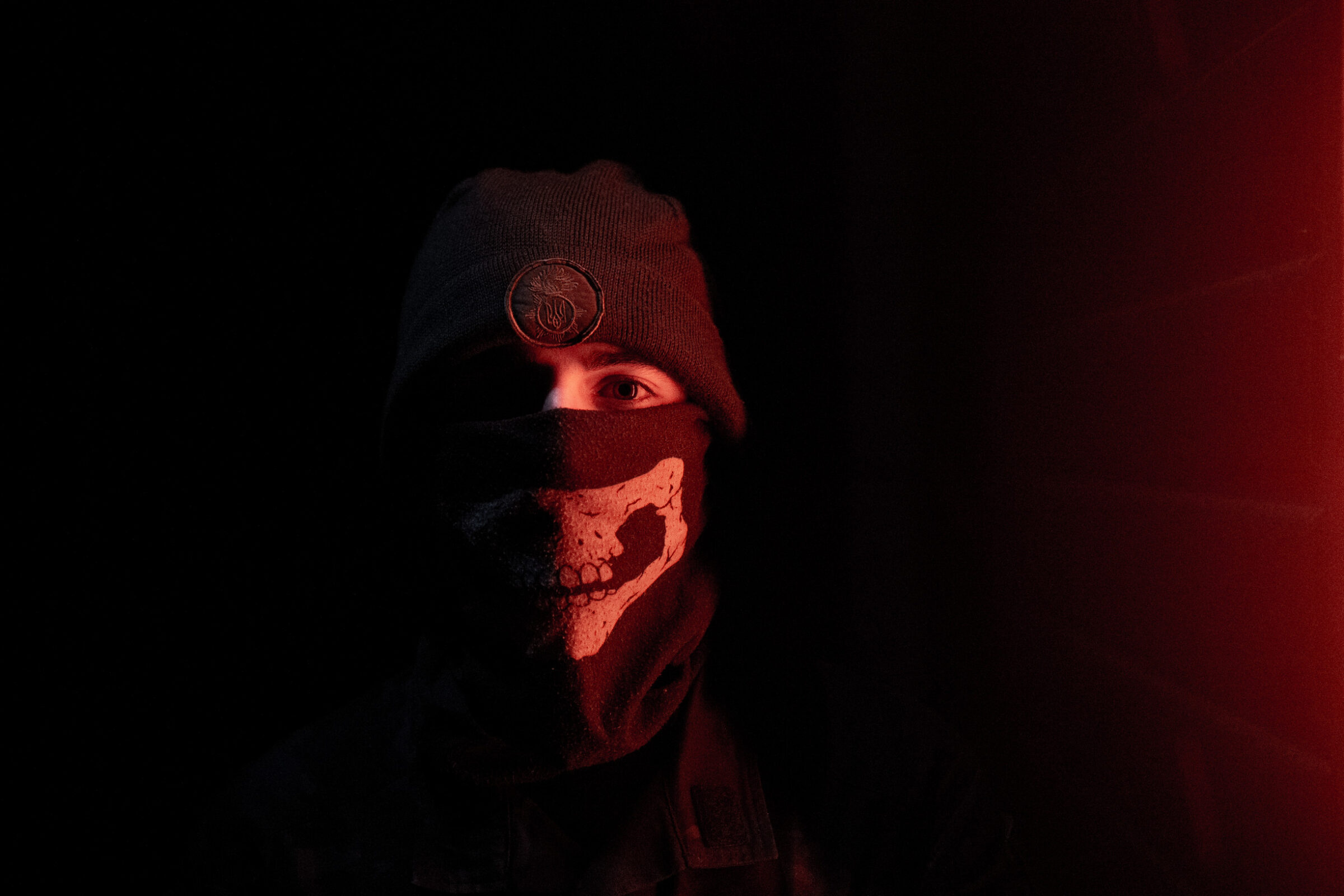
From hotels to crumbling cellars, from the US army to the Ukrainian one: Since 2022, thousands of Americans have headed to Ukraine to fight, serve as medics, or help with war logistics. We speak to a drone operator who learned how to kill in Ukraine, a lawyer who evacuates Ukrainian civilians from war zones, and a former government official who became disillusioned with America and discovered a new homeland in Ukraine. All of them not only found something meaningful there, but are also writing a story that departs from the official foreign policy of today’s United States.
‘Milk’ (his military nickname) admitted that he had never had much luck in life. He actually considered himself a real jinx. Since childhood he had longed to be a soldier. He enlisted in 2010. But after a few months he badly twisted his ankle and his military career was over. Since then he scraped by as best he could. He worked on farms and in forests, provided first aid in the mountains, then went back to farms again. Agriculture was in his blood. He was born in the US state of Illinois, where there is not much to be found apart from corn farms.
The desire to become a soldier, however, never left Milk. When Russian tanks began rolling across Ukraine’s borders in February 2022, the American concluded that even if his lousy ankle had been a problem for the US army, it might not be for the Ukrainian one. The country was fighting for its survival and, on the third day of the full-scale invasion, president Volodymyr Zelensky called on foreign volunteers to join the fight for freedom.
Only two obstacles now stood in Milk’s way. Money for his very first plane ticket outside the United States. And the pleas of a Ukrainian woman from Dnipro, whom he had fallen in love with online, telling him not to come because it was dangerous. In the end he saved up for the ticket and finally bought it after the woman was killed by a Russian artillery strike. “It destroyed me. I had never met her, but I wanted the best for her. I told myself that enough was enough and I was just going,” he said. He arrived in Ukraine in 2025.
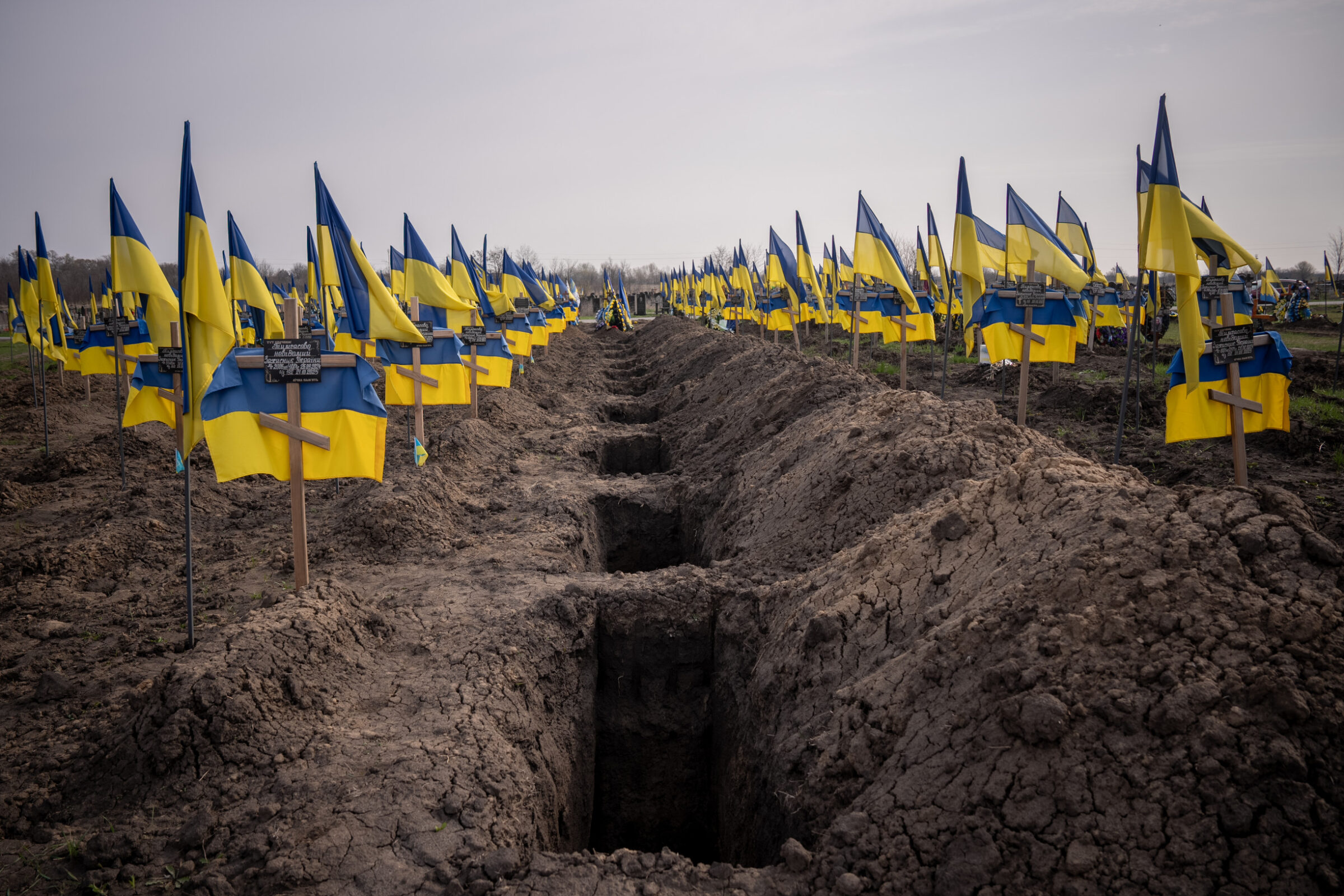
Milk became one of several thousand Americans who had come to the country since the start of the full-scale Russian invasion. No exact figures exist. Some help with logistics, others as medics, others again have joined the Ukrainian army directly. Many of them have died in Ukraine. At a memorial corner on Maidan Square in central Kyiv, where flags are planted to commemorate the country’s fallen defenders, there are dozens of American ones.
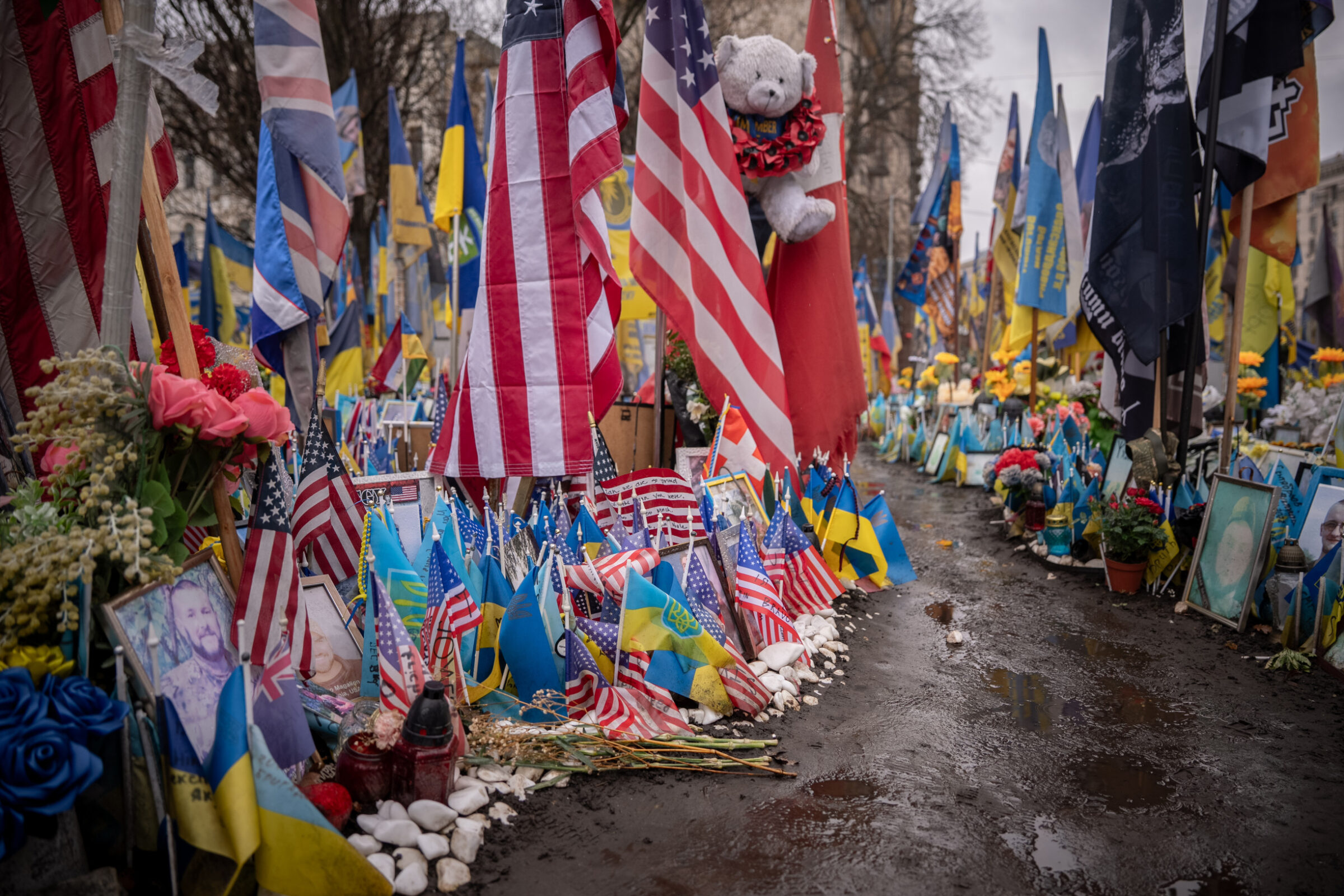
Their stories, which we set out to track down in Ukraine, do not offer any simple, generalisable model for understanding today’s America. Yet they are, in their essence, very American. They represent the latest version of a centuries‑old American search for freedom – and the willingness to sacrifice for it. At a time when official US policy is turning more and more away from supporting the attacked country, these Americans, by their mere presence in Ukraine – in the fifth year of the war – offer a different perspective on their homeland.
All the Americans we met in Ukraine were looking for something there as well. A better version of themselves. A feeling that life had meaning. A clear story of a battle between good and evil that they could join, whatever their skills. They rarely found in Ukraine exactly what they had expected. Every single one of them was taken aback by the brutality of the war. Some eventually became heroes, others, like Milk, have been grappling with their lifelong bad luck even thousands of kilometres away from home.
The extraordinariness of war
His military nickname is ‘Dima’. We meet him in the far west of Ukraine, just a short distance from the Polish border. In the deep forests there are several military bases, including the one at Yavoriv, where foreign volunteers began to gather at the beginning of the war. In March 2022 Russia launched a massive missile strike on it. To this day no one knows exactly how many people were killed, but there is talk of several dozen. Many shaken foreigners reconsidered their plans and went back home. Dima arrived a few months later; he knew all about the incident, yet it did not deter him.
“Ukraine wants to be independent. The United States once wanted the same thing, and foreigners also came to help us,” explained the 26‑year‑old man from Texas, recalling how he decided about his departure in the summer of 2022. We meet late in the evening, a few kilometres from the last village, in a car park in front of a small corner shop. From the forests around us, explosions and gunfire can be heard from time to time – the bases train even late at night. After four years of intense fighting, Dima does not even flinch at the barrage.
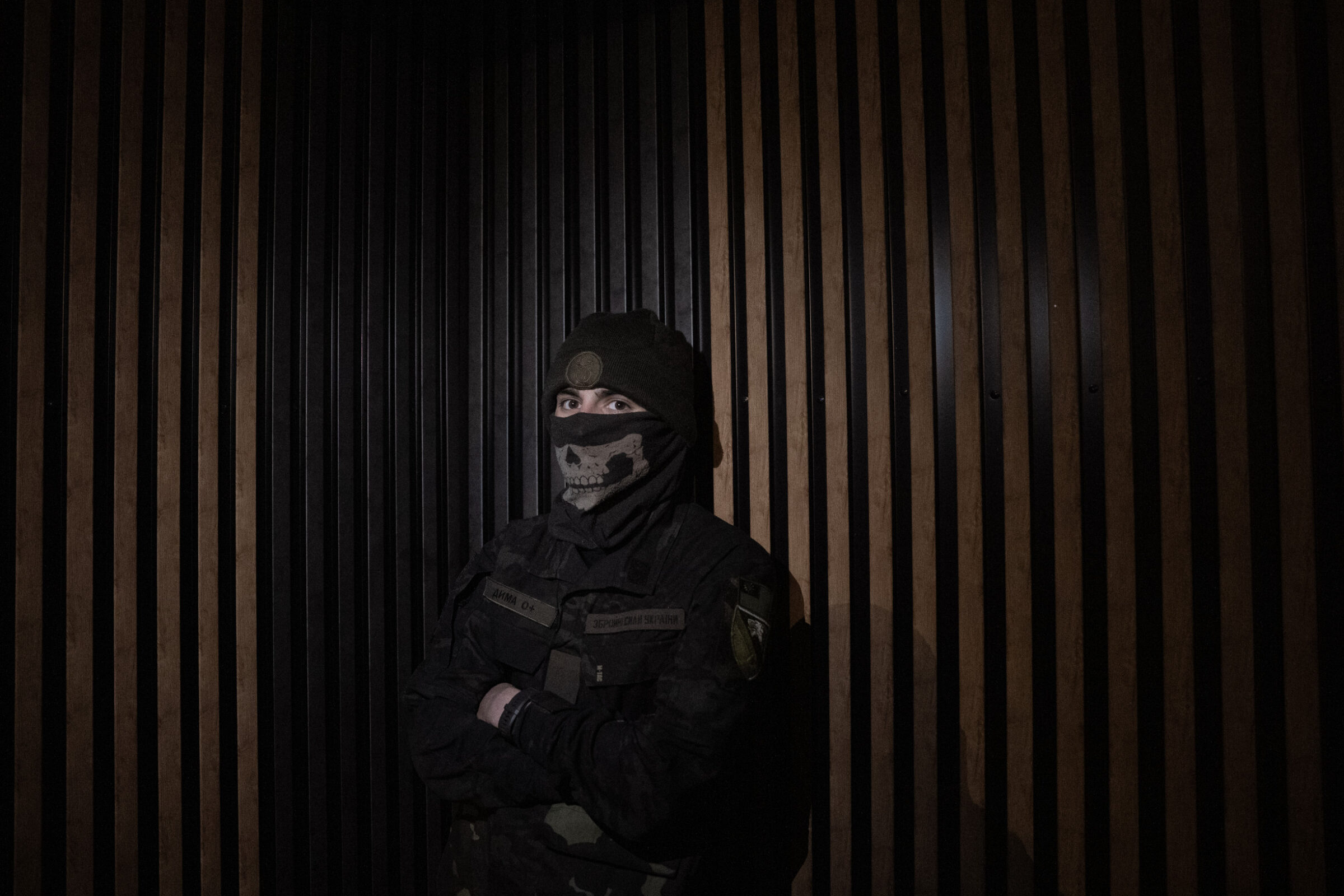
He came to Ukraine after serving several years with the marines in the US army. In addition to combat training, however, he took away a sense of frustration that he had never really used it. The closest he came to action was in 2021, when he watched from a base in Bahrain as the US army fled from the Taliban in Kabul, Afghanistan. “You train so that you know how to shoot, how to kill, and then you never do it. A lot of people cannot cope with that,” Dima said. One of his grandfathers had fought in Vietnam, the other in the Persian Gulf in the 1990s, in Operation Desert Storm. Since childhood he had wanted to be like them, but in the US army he never experienced anything of the sort.
Frustration at having signed up for a profession whose essence he never really experienced is not at all unusual in his generation of soldiers. It reflects a shift in US foreign policy: while at the beginning of the millennium the army offered plenty of opportunities in Iraq and Afghanistan to those who longed for combat, two decades later the situation was different. America had turned inward and promised itself that it would think twice before going to war overseas again.
Dima left the army in the summer of 2022. He spent a few months trying to find other Americans who would go to Ukraine with him. In the end, a group of four emerged, including one of Dima’s friends from Texas, with whom he flew on the same plane. The dream of fighting together did not last long, however: two months after arriving in Ukraine, his friend was hit by a tank shell. “He was a fucking big guy, almost two metres tall. His mom got barely a metre and a half of him in the coffin,” Dima recalled of what she told him on the phone.
The first thing his own mother said when he told her he had decided to go to Ukraine was that he was going to die. To this day they call each other every other day, although she still does not really understand what Dima is doing. Sometimes, he said, she makes him angry when she starts to doubt whether Ukraine is really in the right. If there is one thing Dima is still sure of after four years, it is that he is fighting on the right side. Not even negative experiences with the Ukrainian army, which other Americans sometimes talk about as well, have shaken that feeling. “The commanders sometimes send us on suicide missions. Better a foreigner dies than a Ukrainian,” Dima said.
All the Americans we meet in Ukraine share the feeling that a black‑and‑white story is unfolding there. It is easy to tell who is the aggressor and who is the one attacked, who stands on the side of good and who does not. Exceptionally easy, by the standards of today’s world. Many of them were looking for precisely this kind of lack of complication, and if they had felt that the war in Ukraine was even slightly more complex morally, they might never have set off for eastern Europe.
As it was, they saw an opportunity to join the right side and, moreover, to see the results of their efforts. Dima too feels that as a soldier in the Ukrainian army he has changed the world far more than he did in the US one. Yet a person does not necessarily have to fight to feel part of something bigger. The appeal of war also lies in the way activities that are ordinary in everyday life suddenly take on a new meaning.
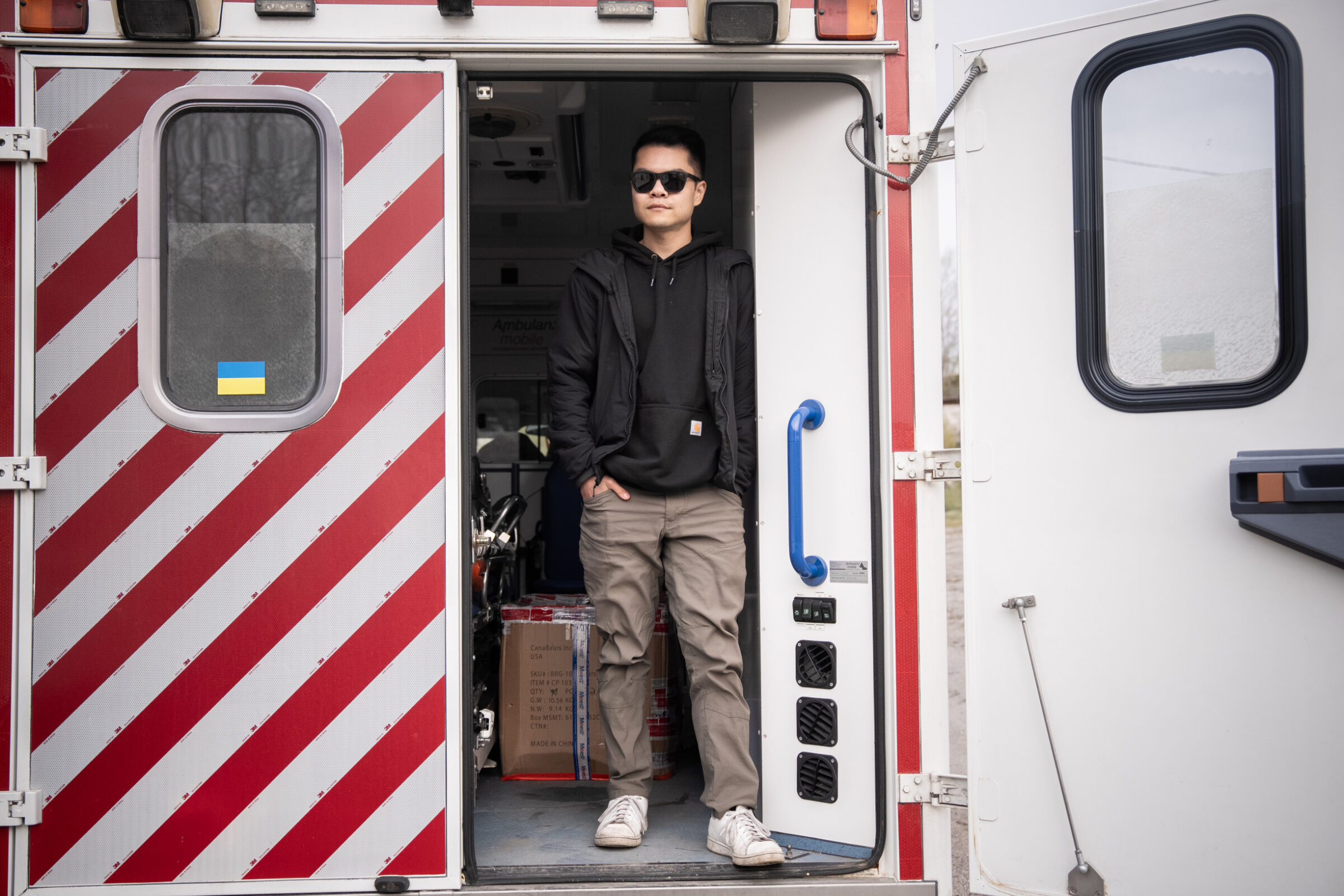
That is something another American, 25‑year‑old Jonathan Lam from Los Angeles, has experienced in Ukraine as well. Originally an ice‑cream delivery driver and accountant, he now, among other things, brings cars from the United Kingdom for soldiers at the front and for humanitarian organisations. Lam loves driving and, as he himself said, he is very good at it. Sometimes, with virtually no sleep, he manages to get from the UK to Ukraine with a delivery in 48 hours. In America, it would be a crazy road trip without much point, but in Ukraine it means something more.
Wild West in Donbas
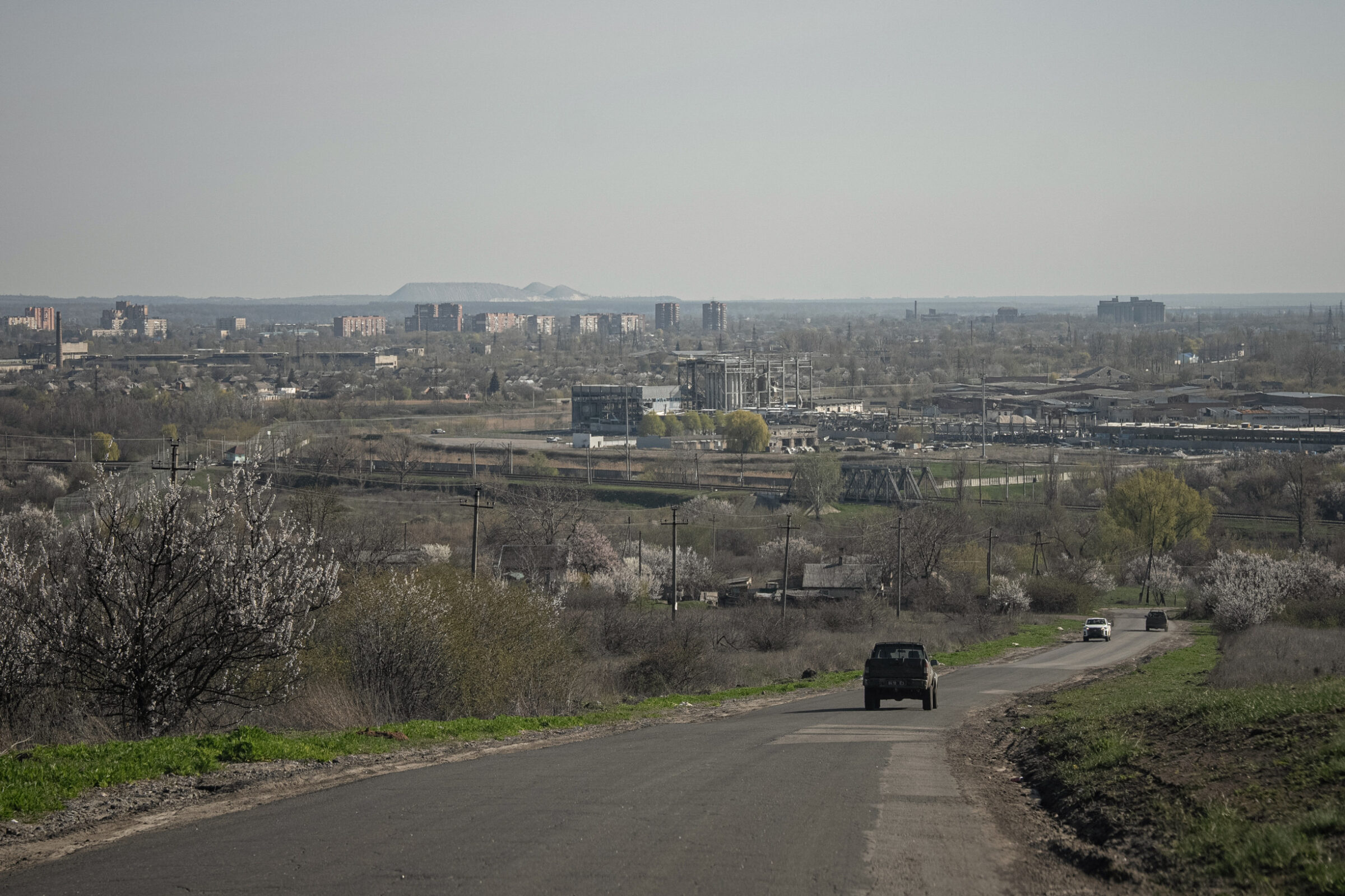
In mid‑April everything in Ukraine starts to bloom furiously, especially in the east. Among the grey fields and equally grey villages rise white and pink trees. The further east we go, the more the landscape is also shaped by war. There are ever more military vehicles and heavy equipment parked in forests or by roads under camouflage netting. It is rare to see several vehicles side by side; they are parked scattered all over the place so as not to offer Russian drones an easy target. From time to time, we pass a civilian car coming the other way, loaded up to the roof with the belongings of people leaving their homes. They are heading somewhere west and Donbas bids them farewell in a cloud of dust.
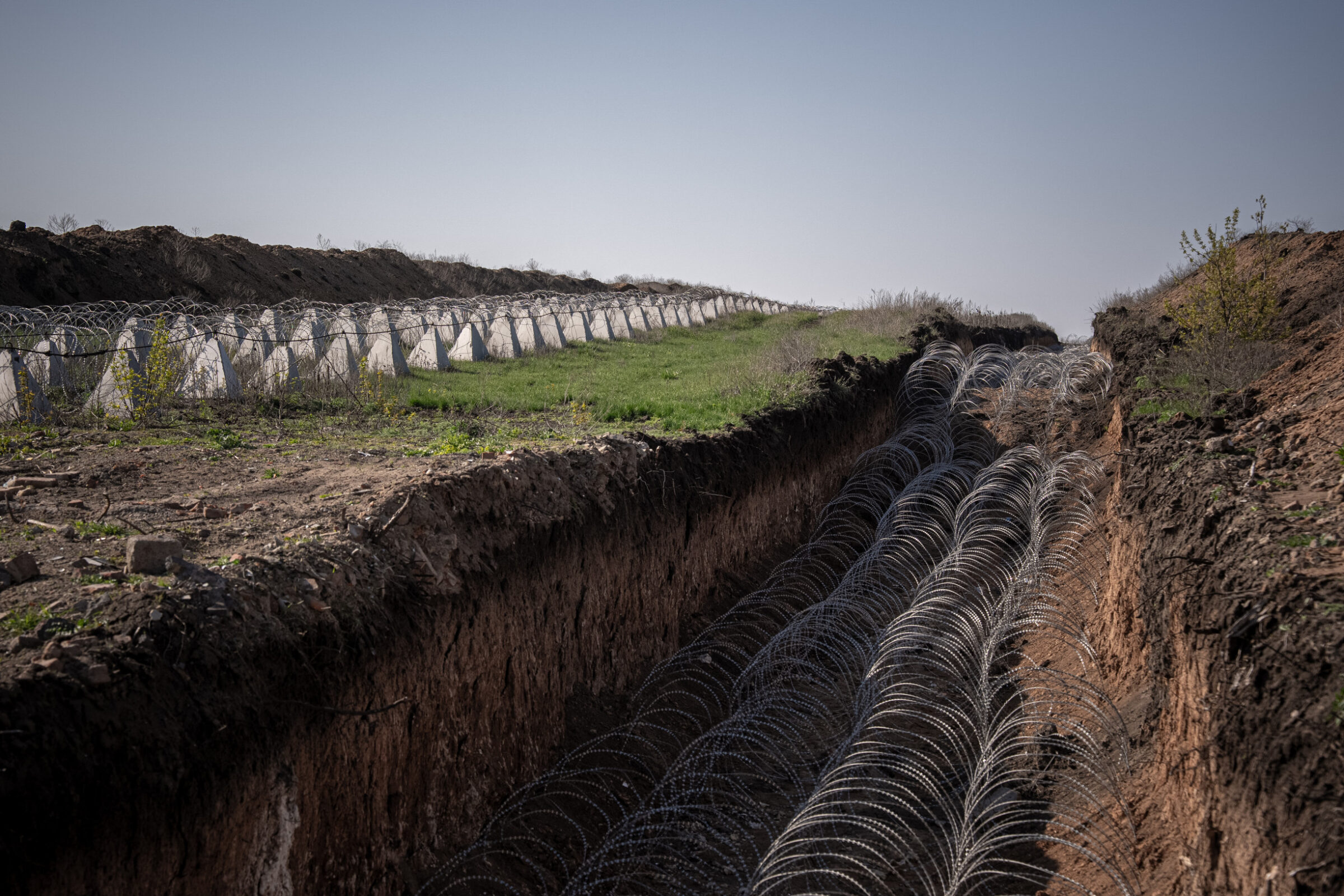
The landscape in eastern Ukraine is being changed more and more by the war. Source: Gabriel Kuchta, Deník N
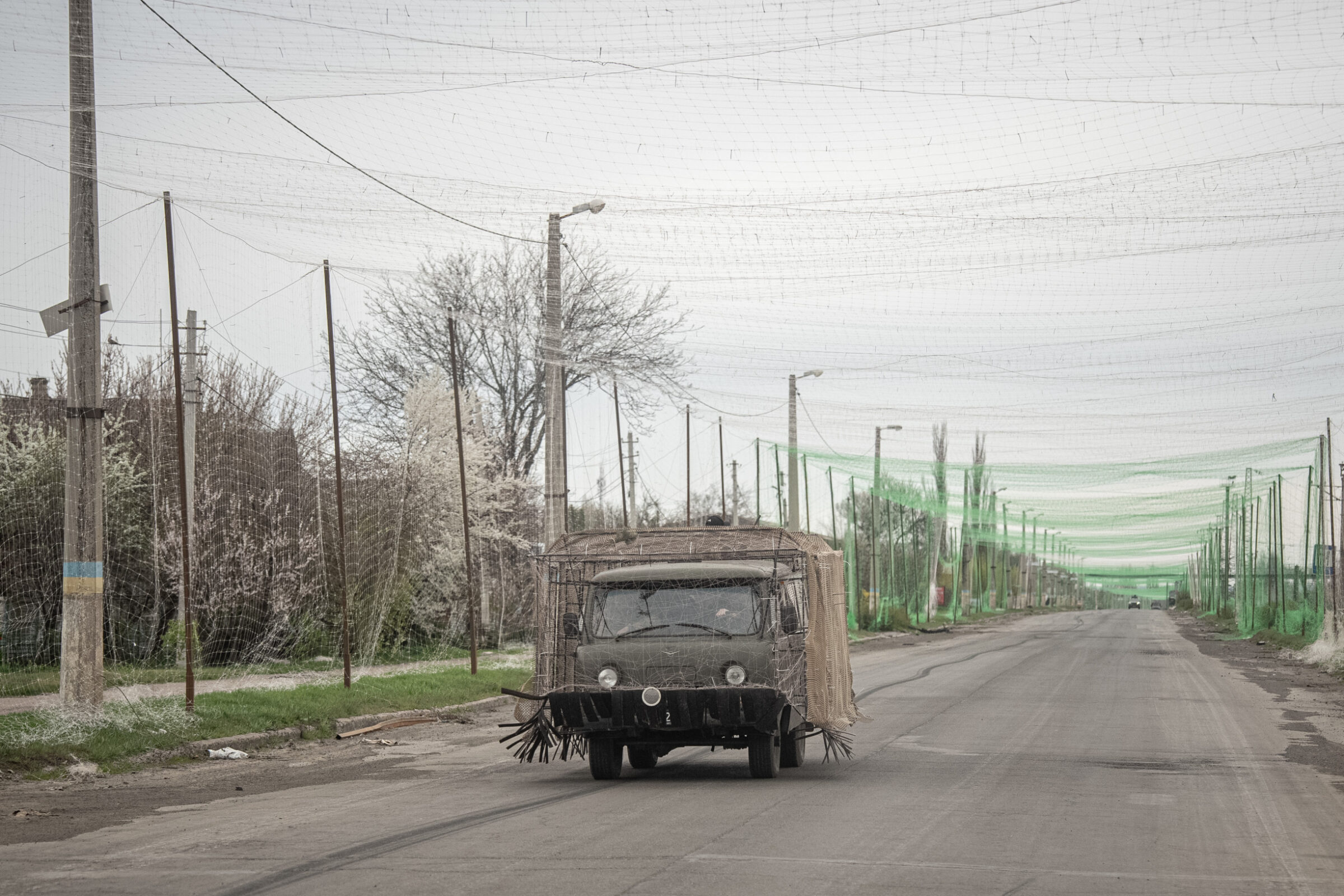
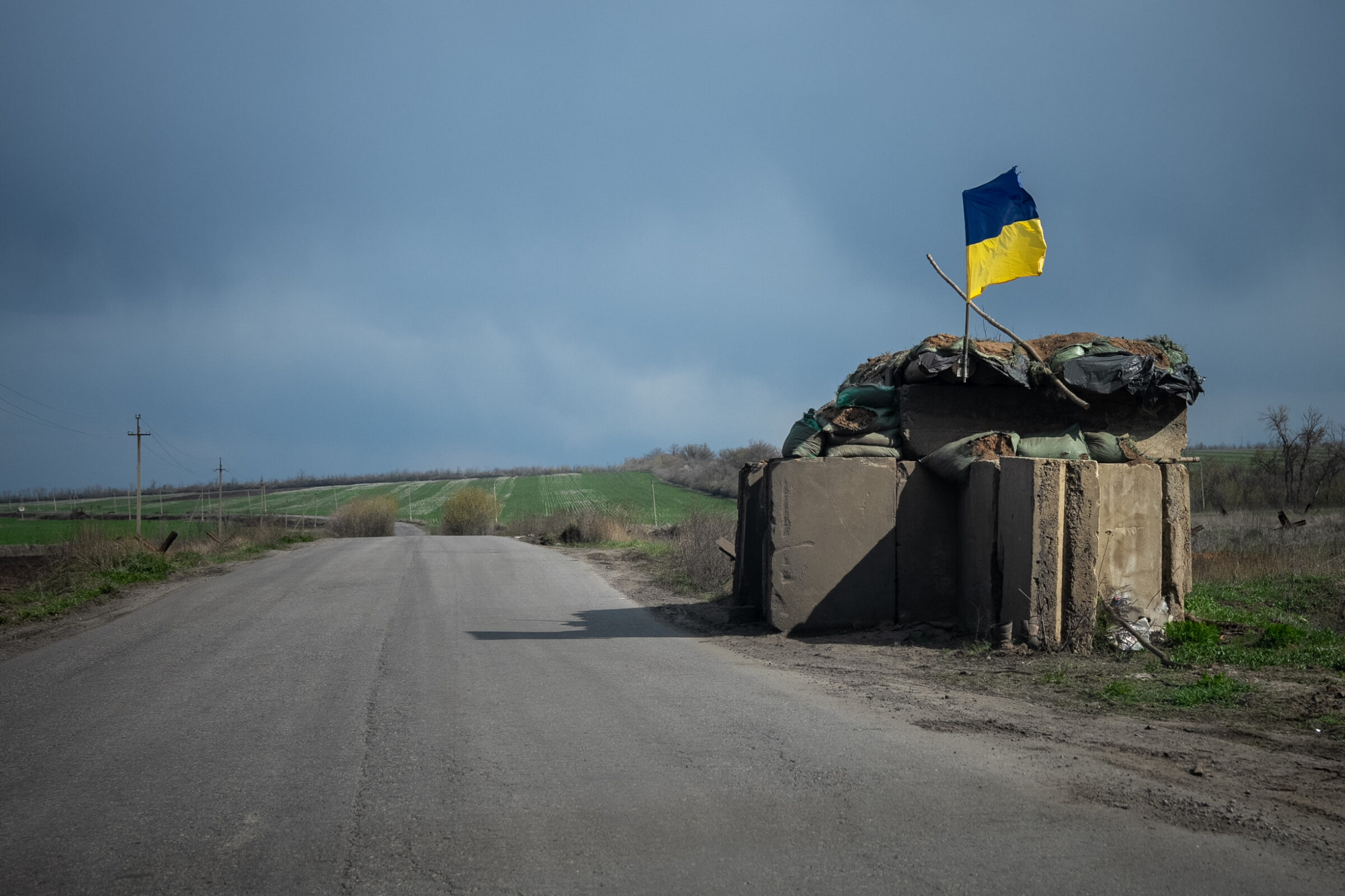
Years of fighting are visible absolutely everywhere. Defensive earthworks are being dug across the fields and barbed wire is being strung, whole stretches of road are hidden under anti‑drone nets. On the little squares of small villages, photographs of fallen soldiers from there are on display.
Our destination is the town of Kramatorsk. Together with Sloviansk it forms the basis of the so‑called defensive rampart, roughly a 50‑km strip of dense urban development and defensive positions. Russia is trying to gradually encircle both towns. The frontline is not far from there, roughly 20 km away, but it is moving forward very slowly. The whole area is now exposed to drone attacks and bombardment.
Many Americans have passed through Donbas. None of the men we meet across the country had ever been to Ukraine before the war. But for many of them, setting off halfway around the world to a war zone in a country they knew little about did not seem as crazy as it might look from a European perspective.
Some Americans simply see themselves as the successors to a mythical tradition that began several centuries ago in the Wild West. On the Ukrainian front they sense the kind of opportunity that the open American frontier once offered their forebears. People went there to test their character and grow by facing challenges on their own. But the West was eventually settled and America changed – it softened, as some say. And so while several centuries ago cowboys, or people who wanted to become cowboys, headed west, they have now gone east.
Ben Kochenburger came to Ukraine in 2022, still as a law student at a university in Arizona, and for some time he shuttled between the two countries. After graduating he moved for good to the country ravaged by war. He had never been in the army, but he saw discomfort and risk as almost necessary conditions if a person wanted to find out what he was really made of.
“Peace is a great thing. But we Americans, as a nation, were born on the frontier, in constant confrontation with the unknown and the dangerous. Today we have nothing like that and we have lost faith in ourselves,” he said. Kochenburger believes that one of the basic American values is hard work. He said he took that from a family that has run a dairy farm in Connecticut for 14 generations. In Ukraine he finally settled in Kramatorsk, a town that promised plenty of hard work and danger.
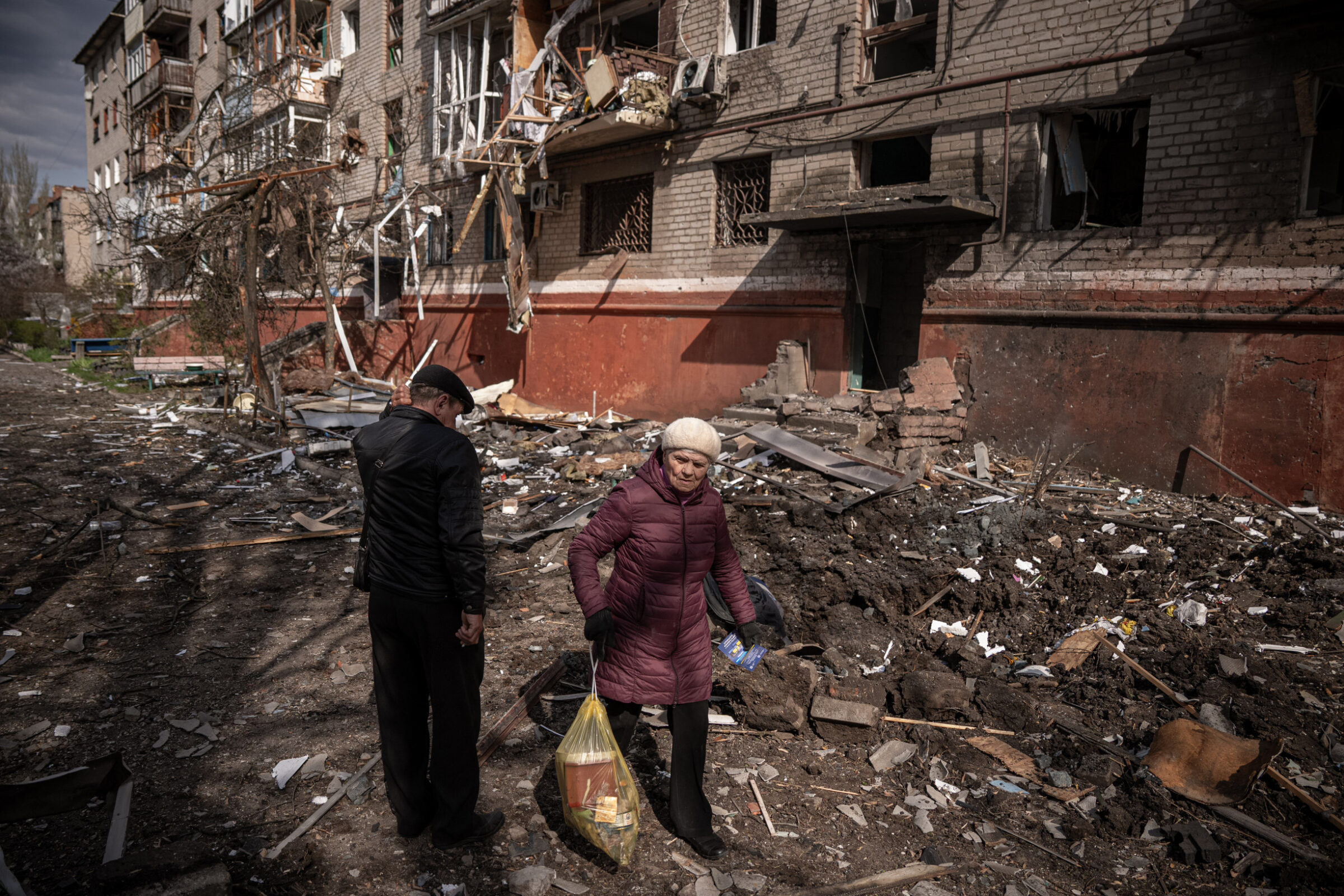
We meet on a Monday, the day after Orthodox Easter. On Saturday, three glide bombs hit the city centre and wounded 10 people. Kochenburger lives not far from there, in a spacious flat just under the roof of a four‑storey building. He approaches life in a city under constant Russian attack like a statistician. “The odds that a bomb will hit my flat specifically are still small,” he shrugged. He is more unnerved by smaller drones, which can suddenly appear from anywhere.
According to estimates, around 60,000 people still live in Kramatorsk, which is a third of the pre‑war population. The destruction of the city is omnipresent. The silence in the streets is only occasionally broken by a siren, and once by a group of children in the church tower. They have been given permission to ring the bells, so they hammer away at them as hard as they can.
Kochenburger also chose Kramatorsk because of its proximity to the frontline. The ability to endure in the face of danger and despite slim chances of success – those are the qualities that he believes once allowed Americans to survive in the Wild West. In Ukraine’s struggle for freedom he sees a number of parallels with the American story: “In 1755 almost no one believed either that Americans could defeat the mighty British army and win independence.”
He himself admitted, however, that life here was getting more difficult. He regularly helps two Ukrainians, Bohdan and Vlad, evacuate civilians who have become stranded in the surrounding villages. The three‑member team has clearly defined roles. One person drives, the second watches a small drone monitor to see if any are approaching. The third is responsible for the rifle, with which he would try, if necessary, to shoot down an attacking drone. “I hate it when it’s my turn with the shotgun. If a drone comes, the armed man is its first target,” Kochenburger said.
For Tuesday morning they have several evacuations planned and they take journalists along. Before the early departure, Kochenburger plays the greatest American musical classics in the kitchen, including the famous cowboy song “Big Iron”. From the moment he, Vlad, and Bohdan get into their ambulance and set off to pick up the first person, they follow a simple rule: get back as quickly as possible and so minimise the time spent outside the city, where they can be a relatively easy target for Russian drones. The noise in the car is unbelievable and, as Vlad hurtles along the broken-backed roads regardless of potholes, everyone is being thrown from side to side. A firefighter by profession, he knows how to drive and knows the local roads almost by heart. Drones, however, are unknown to everyone.
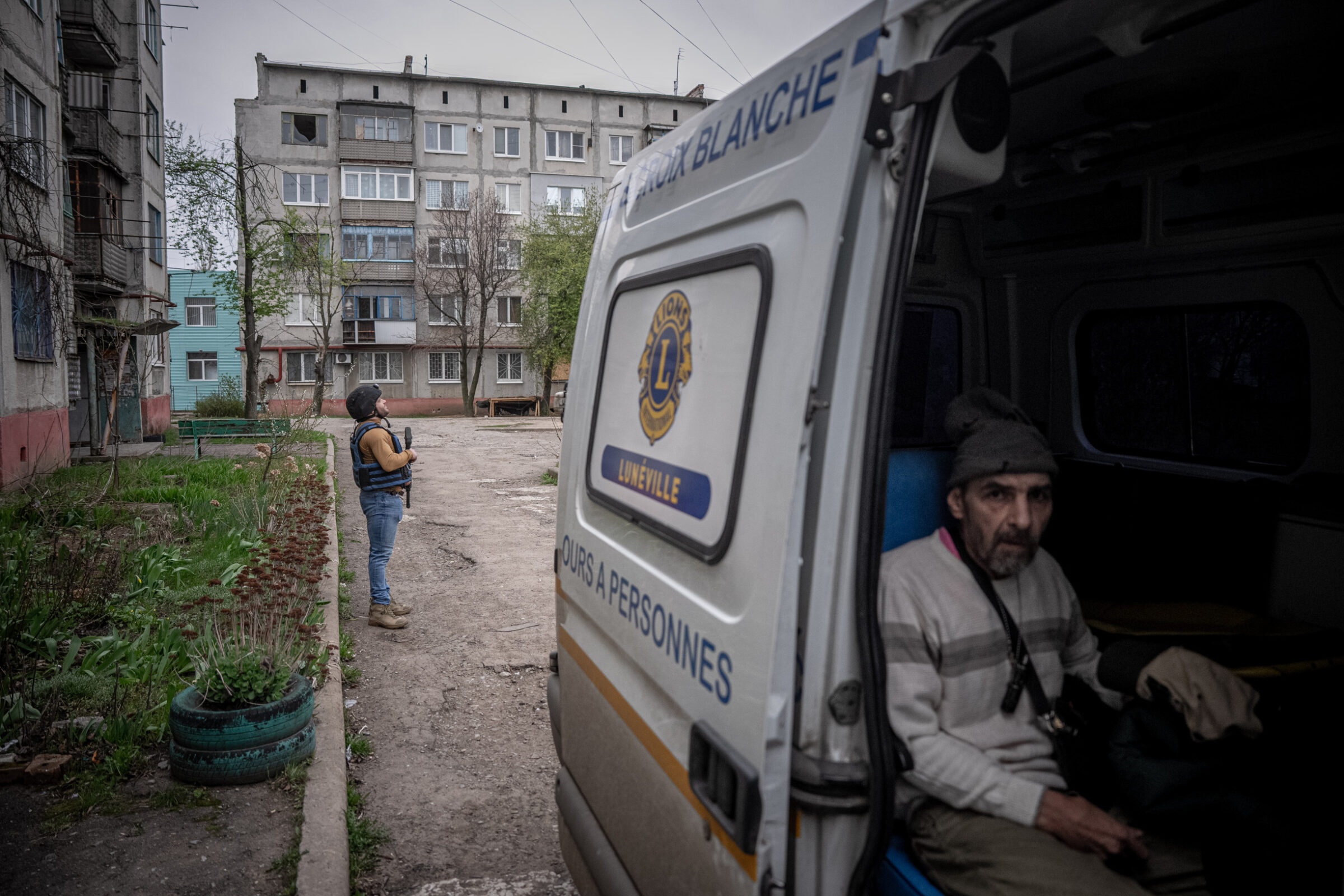
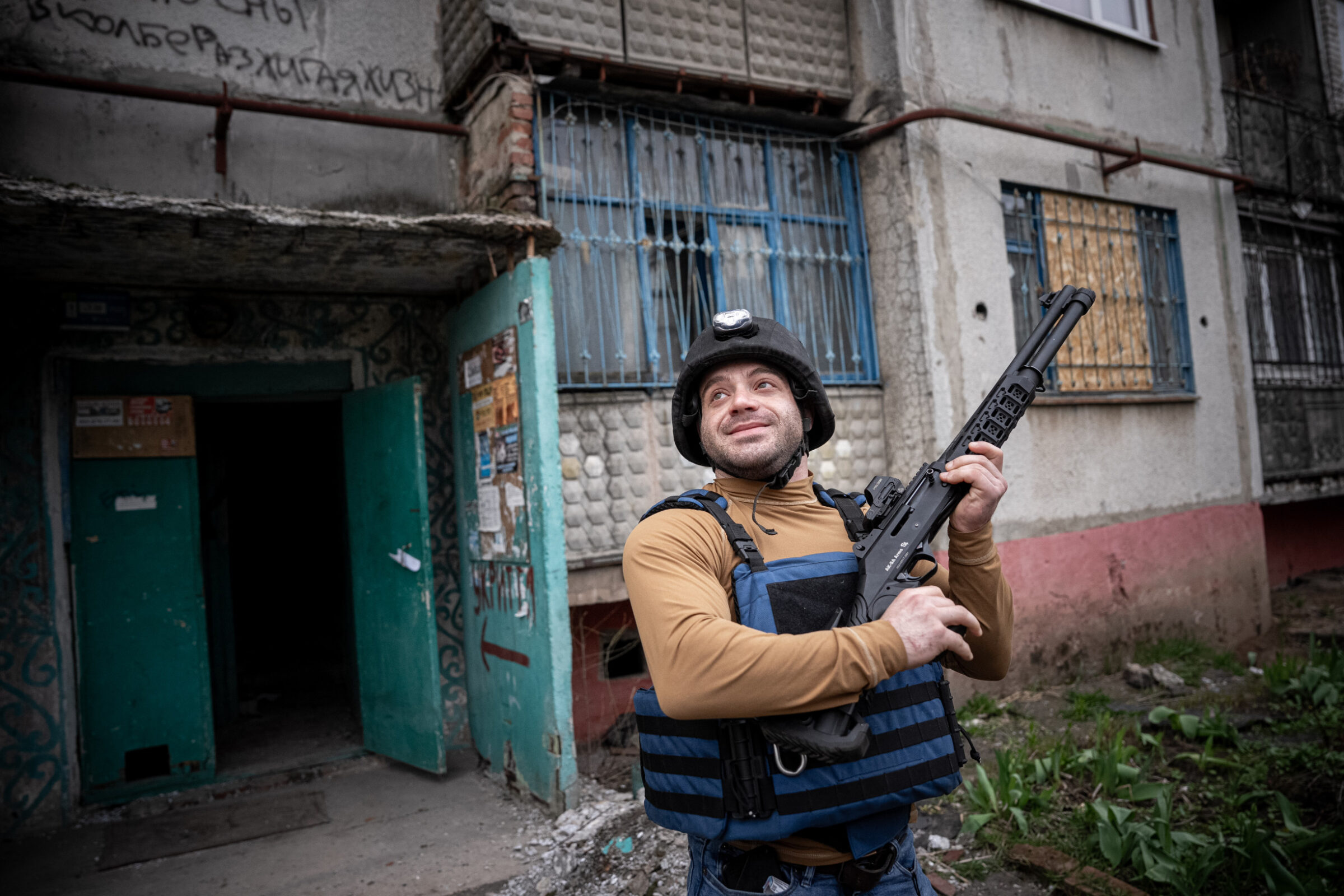
This time, however, everything goes smoothly and by 10AM the whole expedition is back in Kramatorsk with two elderly men from the town of Druzhkivka and a married couple from nearby Serhiivka. They drop everyone off at the refugee centre. Vlad and Bohdan then head to work and the rest go for a late breakfast at the bus‑station café. Kochenburger once boxed competitively and still has a hearty appetite. He orders two dishes at once: a plate of meat with rice and, alongside it, holubtsi – cabbage rolls with minced meat – with mashed potatoes and sour cream. You can sense his relief that everything turned out well.
“I don’t know how long I’ll keep doing this. Every time the monitor picks up a drone above us, I feel sick,” he said. At the same time, he cannot imagine just stopping. He likes working with Ukrainians and there are still plenty of people around who will need evacuating. The evacuations are also the main reason why he is in Kramatorsk.
In May, he plans to fly back to his native Connecticut for a month and admitted that he does not know what time away from Donbas will do to him. He does not rule out that he might not return to Kramatorsk.
When I voice my doubt that he really believes his own rational argument, he laughs and confirms my scepticism.
“Kramatorsk is beautiful, of course I don’t want to leave,” he said. For someone who has spent only a day and a half there, like me, it is hard to see much beauty in a half‑destroyed town. For Kochenburger, however, it is the place to which he returns with relief from trips into the surrounding area, which is sometimes smashed literally to pieces. Each of us has our own idea of beauty.
Accepting death
At the beginning of this year, ‘Reaper’ spent his time frozen in a cellar. It belonged to one of the ruined houses near Pokrovsk in eastern Ukraine, which the Ukrainian army was trying to defend against a Russian attack. As feral cats crawled over him, he reflected on how much a person can change in a single year. This time last year, he had been living in luxury New York hotels and representing the US State Department at UN meetings. Then he left America and enlisted in the Ukrainian National Guard.
In addition to the cold and wild animals, Reaper had to get used to the intensity of the conflict. He had not come to Ukraine as a greenhorn. Behind him were six years in the US Navy and several missions in the Middle East in the years when America’s war on terror was at its peak. Ukraine, however, surpassed everything he had known so far.
He served in the local army as a medic with the Azov 7th Battalion, which specialises in high‑risk offensive operations. For him, the most terrifying moments were the journeys from safer bases forward to the frontline. Soldiers are most vulnerable to Russian attacks when they are on the move. He said that without coming to terms with the fact that every such trip could be his last, he simply could not have functioned.
“The journeys there and back are awful, terrifying. The decision to get into the car that is taking you back to your position is the moment when you accept death. The closer you get to the frontline position, the more destroyed vehicles, bombed‑out buildings, dead bodies in various stages of decomposition you see,” he recalled.
Last December another American in his unit was killed. A drone shattered his skull and Reaper had no way to help him. Two days later another Russian drone hit an anti‑tank missile launcher just a few metres from the American medic. The blast wave threw him several metres away.
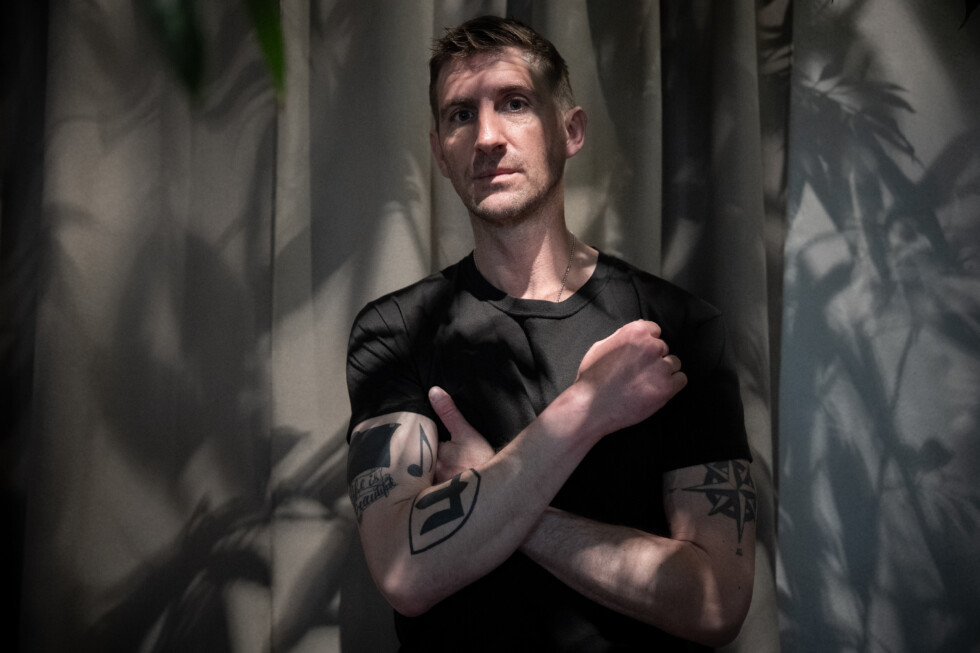
Given his medical background, Reaper can rattle off the exact diagnosis from memory: compressed vertebrae, three herniated discs, a bruised hip and damage to the sciatic nerve. He managed a few more weeks in the field to finish the Pokrovsk mission, but then he had to leave the army. To this day he does an hour of physiotherapy every day and cannot sleep because of chronic pain. “It could have ended much worse for me. It had nothing to do with whether I was a good soldier or not. Just pure luck,” he said.
The feeling that life and death are decided by chance is nothing new in war. Modern technology has brought killing on a mass scale to the battlefield. Whether it was the mustard gas used in the First World War or drones today in Ukraine, they have one thing in common: when you face their attack, it usually does not matter whether you are a new recruit or a seasoned fighter. Survival is often a matter of chance.
What helped Reaper come to terms with this degree of randomness and with the possibility of his own death, he said, was his belief in the legitimacy of Ukraine’s struggle. He had become deeply disillusioned with his own country. From his time in the Middle East he took away a scepticism about America’s role in the world; from his work for the government, frustration that the actions of the United States did not match his values. He handed in his resignation after last year’s infamous argument between US president Donald Trump and Zelensky in the Oval Office.
In Ukraine, he found a story whose stark black‑and‑white contrasts stand, for him, in opposition to the moral fuzziness of his previous work. “I washed some of the filth and greyness off my soul,” he said.
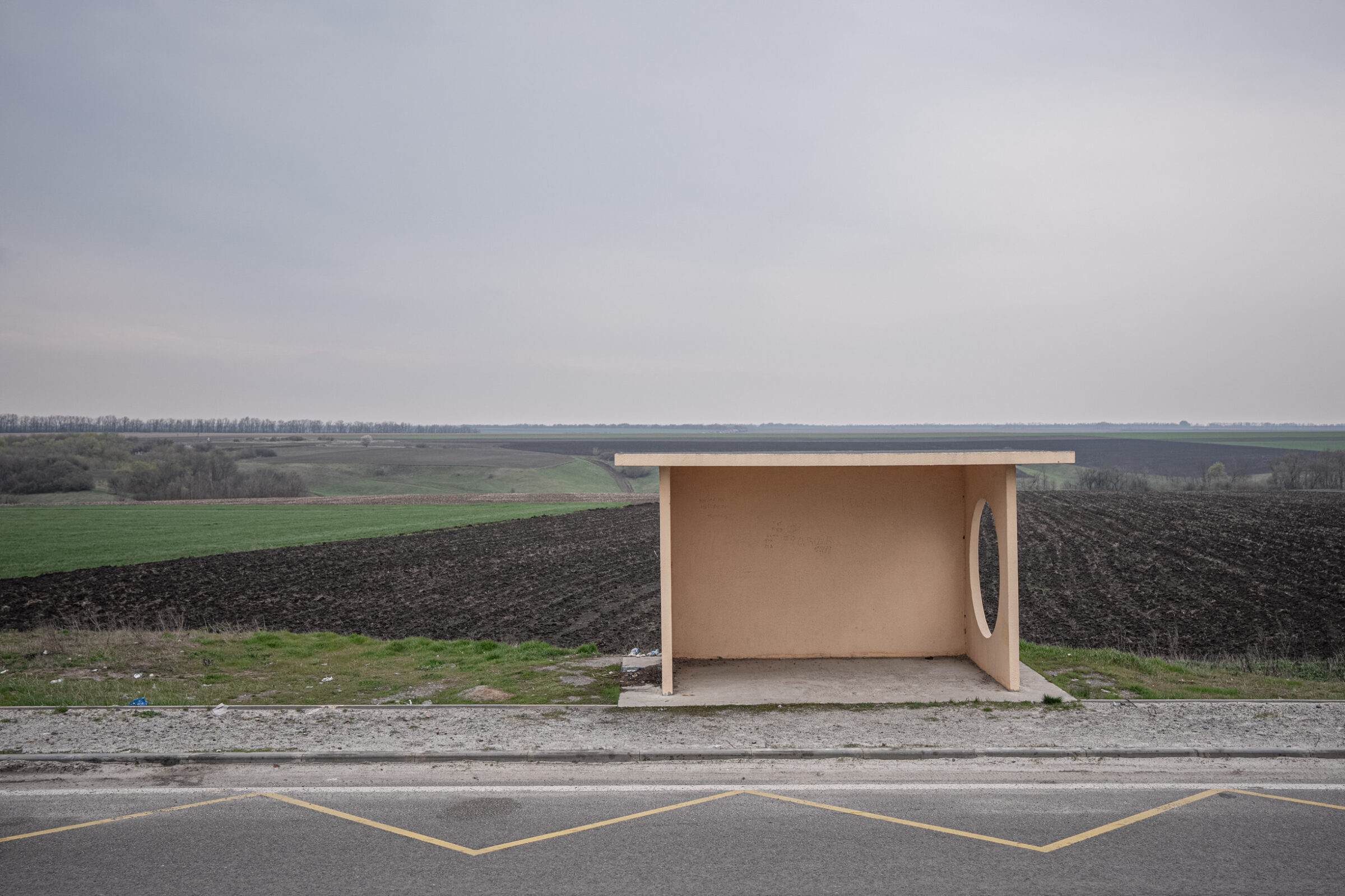
He was wounded somewhere halfway between Kramatorsk and Pokrovsk, which lies roughly 80 km south of the key Donbas city. The whole area bears traces of how the war has changed over four years. Lines of trees, charred by artillery shelling, which you glimpse here and there, mark where the frontline ran a few years ago. Today, the main movement can be seen in the feverish efforts to hide everything under anti‑drone nets – from roads and bus stops to individual cars, which sometimes drive around wrapped in their own mesh structures like big hedgehogs.
Drones have created a belt several kilometres wide between the warring sides in which any movement often means death. Americans who have experienced all phases of the war recall the time before the massive arrival of drones with almost a sense of nostalgia.
‘Forrest’, another American who speaks under a nickname, has a direct comparison. In 2023, he started out as an artilleryman but quickly moved to the position of drone operator. Ukrainians were then looking for them for the offensive near the Russian city of Kursk, and Forrest was desperate to take part. “Why? The Russians came to steal land from Ukrainians, so why not steal a bit of theirs. They deserve it,” he said. Since Kursk he has done nothing but fly drones.
Today he serves in northern Ukraine, near the Belarusian border. We meet him in the cellar of a restaurant in a small town where his unit is based. We all order a beer, and Forrest adds fries.
That Forrest is from the American South is obvious at first glance from his cowboy boots. He wears them so often that the sole has started to peel off, but getting new ones now is difficult. The 27‑year‑old American grew up in Texas in a military family. His father, brother, godfather, brother‑in‑law, and two cousins all served in the army as well.
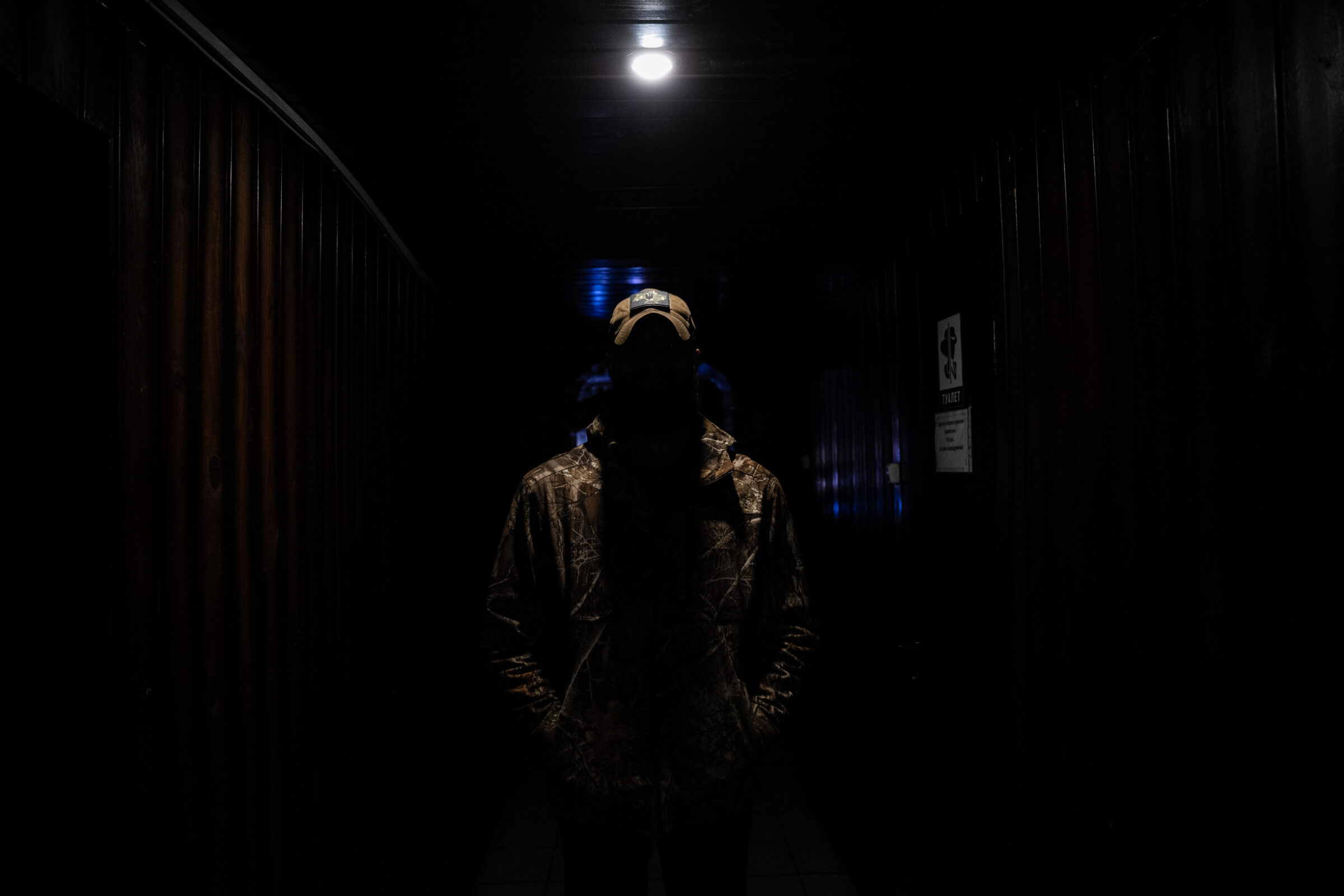
He himself has four years as a paratrooper behind him. When Russia attacked Ukraine, part of his unit was sent to Poland. Forrest, however, was not sent anywhere; he stayed in America and handled his team’s communications remotely. That was when he decided that as soon as his contract expired, he would go to fight. “My dad told me that as a father he didn’t agree with it, but as a man he understood,” he recalled.
He too was surprised by the intensity of the war in Ukraine. Near the Belarusian border things are fairly quiet now, he said, but near Kursk he was glad to get even an hour’s sleep. Killing people was new to him as well. He killed his first Russian soldier in a firefight during his very first mission. Since he has been flying drones, he stopped counting the dead. On his phone, however, he has saved a video of the first time he succeeded with his drone. He likes to show it off, but before he plays it he wants to finish his fries so he does not smear his phone.
From his experience, flying drones is, in many ways, and unsurprisingly, easier than running around a battlefield under artillery fire. “You don’t sweat, you hardly move, often you don’t even have any adrenaline,” he said. In the same breath, however, he added that he is confronted with death in a different way. “You see a person at the exact moment they die. When I drop a bomb from the air, I can zoom in on the scene and watch them die. When I fly an FPV [first-person view] drone and crash it into a soldier, I see everything of him right up until the moment he explodes,” he described.
The war has placed everyone in situations they could not have imagined beforehand. Medic Reaper found the black‑and‑white story he had been looking for. Three‑quarters of a year of service in the Ukrainian army, he said, brought him a greater sense of fulfilment than several years of life before that. But the war also exposed him to a different kind of grey zone.
Once he came across two unarmed Russian soldiers. He tried to capture them, but the Russians resisted. In that moment he could not bring himself to shoot them and let them run away. To this day, he cannot decide whether he made a mistake.
The rest of his unit had a clear opinion on the situation. “They really tore into me,” Reaper recalled. The problem for him at the time was not that he would have been shooting someone. It was clear to him that they were Russian attackers and that he had sworn an oath to defend Ukraine. What stayed his hand was the fact that they were unarmed. “They had no way to defend themselves. And I was afraid that if I pulled the trigger, it would destroy something inside me,” he said.
Everyone copes in their own way with the price that killing carries. Drone operator Forrest described a number of cases in which he killed Russian soldiers out of mercy. “They would have died within 10 minutes anyway, they had their organs hanging out, limbs torn off. Why not end the suffering,” he said. He spared an enemy just once. “He was terribly young, he looked like a child,” he said of the only Russian soldier he had ever not killed when he could. He said the decision took him about three seconds.
He too once came up against a situation where he began to fear that the war would irreversibly destroy something deep inside him. After Kursk, he realised that he had started to enjoy killing Russian soldiers. “I left the army and took a break for a few months. Otherwise I would have stopped being human,” he said.
I will stay for the people
During the trip we exchange messages every day with Milk, who arrived in Ukraine after saving up for the journey and after his platonic online beloved was killed. We are supposed to meet in Kharkiv, where his unit is based. But on the very first day after our departure he writes that, due to unfortunate circumstances, he has been mistakenly arrested for desertion and that it will take a few days to sort everything out and for the military police to release him again. We agree that his lifelong bad luck had reached literary proportions.
Although he has been in Ukraine for more than a year, he still has not joined the long‑awaited fight. He has been thrown out of several units, and left others of his own accord. In recent months, he has been living in a rented house in Kharkiv with other foreigners, waiting for the army finally to send him somewhere. The frontline was only a few dozen kilometres away from him, yet his life was still pretty dull.
In the end we do not meet Milk: after the desertion charge the military police transport him from place to place across the country and keep him for several days at each point. Even though everything is later cleared up and Milk is released, it is too late for us. But at least we manage a call after we return to Prague.
The American is sitting at a petrol station on the road outside Kharkiv along which we drove a few days earlier, and on the phone he tells me how surprised he was to discover that Ukraine is very similar to his home state of Illinois. Also a flat expanse of farmland as far as the eye can see. Only the people, he said, are kinder.
It is because of the people that he wants to stay. Not even his latest troubles with the Ukrainian army have put him off. He has just signed a contract with a new unit that has promised to send him to fly drones. “I’m still waiting for my first combat mission. If I’m lucky, it’ll come soon,” he said with a slightly bitter laugh.
In the Ukrainian war, however, fortune moves without logic. The chance that he will finally be able to take part in real fighting exists even for Milk.
Not everyone in Ukraine has become the kind of hero they imagined at the start. And even those who have experienced the war in all its intensity have found that drones have blurred not only the frontlines, but often also their own romantic idea of themselves on a new frontier.
They have, however, found many other things. What began as a decision driven by a personal desire for adventure, to toughen up, or to feel they were on the right side, often transformed into a deep relationship with a country about which the Americans knew little at the beginning. Ukraine, they said, held up a mirror not only to them personally, but also to their own country. “The resilience that Ukrainians show every day is incredible. I don’t know if Americans would be capable of anything like that,” Reaper reflected.
Others speak admiringly about unity across society. “In Ukraine, people know what they are fighting for,” Kochenburger said. Native Ukrainians might object that unity is by no means as strong as it should or could be. Americans, used to a society bitterly, and often even hatefully, divided along every line, see it differently.
Kochenburger himself added, however, that once the war was over, Ukrainian unity will probably weaken. In doing so, he touches on the uncomfortable fact that much of what he and other Americans admire in Ukraine arose in response to the war. How to come to terms with the fact that unity and resilience go hand in hand with destruction, pain, and death is a question to which no one has a good answer. Hanging over all this is the paradox that while the Americans freely chose a life in wartime, Ukrainians, if they had the same choice, would most likely opt for something else.
The war has changed everyone as well. Everyone who has been in Ukraine for a longer period has at least once tried to leave. But in the end, the country has pulled them back. After Dima experienced the fighting at Bakhmut, he went back to his family in Texas for five months. He suffered from post‑traumatic shock, had nightmares, drank. At first, he did not want to return, but then he did. “War is addictive, I missed it. I also felt I had betrayed those who stayed. The marines drum into you that you don’t abandon your brothers,” he said. He is thinking about leaving even now; the Ukrainian army has disappointed him several times. But he has already given Ukraine many last chances.
Some stay because war is their life. Others, however, genuinely believe they have found in Ukraine a society that surpasses the American one, and want to do everything they can to fit into it.
American Rocky Durham, whom we meet in the western Ukrainian city of Lviv, originally arrived with his wife for just a few weeks to help refugees. They have now celebrated the fourth anniversary of their arrival, he told us proudly. He supplies medical equipment to Ukrainian medics at the front, is learning Ukrainian, and has adopted two cats. He does not intend to go back; life in Ukraine feels more real to him. And the food is better, he added, which, coming from a former private chef, is not an idle remark.
Wounded medic Reaper approaches life in Ukraine in a similar way. He drills Ukrainian several times a week, reads books on the history of eastern Europe, and recently started working for a local NGO in Kyiv. Both men have the zeal of converts who were first deeply disillusioned and then became equally deeply enthused. In Ukraine, they have found a new America.
 Shocked Russians watched worst attack on Moscow since the start of war (Ukraine Battlefield update, Day 1,575)
 Barbora Chaloupková