
Finding the European Union in today’s crowded global landscape is like hunting for the elusive Wally in those wonderfully maddening puzzle books.
Look closely enough and the cheeky globetrotter (known to many also as “Waldo”) eventually appears. The EU, by contrast is either harder to spot or missing in action – at least as the collective power that it claims to be.
It is not for want of trying.
EU leaders and foreign ministers gather with exhausting regularity to produce either unimpactful decisions or bland statements on almost every international crisis under the sun.
Yet whether confronting US bullying, responding forcefully to Israel’s genocide in Gaza or navigating relations with Iran, Russia and China, the Union of 27 is either not at the adult’s table or paralysed by its own contradictions.
Take the upcoming Donald Trump – Xi Jinping encounter. As the two leaders meet in Beijing to redefine their bilateral ties, possibly by creating a “Board of Trade”, the EU is dithering over whether to collectively cut loose from America’s coattails or remain subservient to the whims of a mercurial president.
Similarly on China.
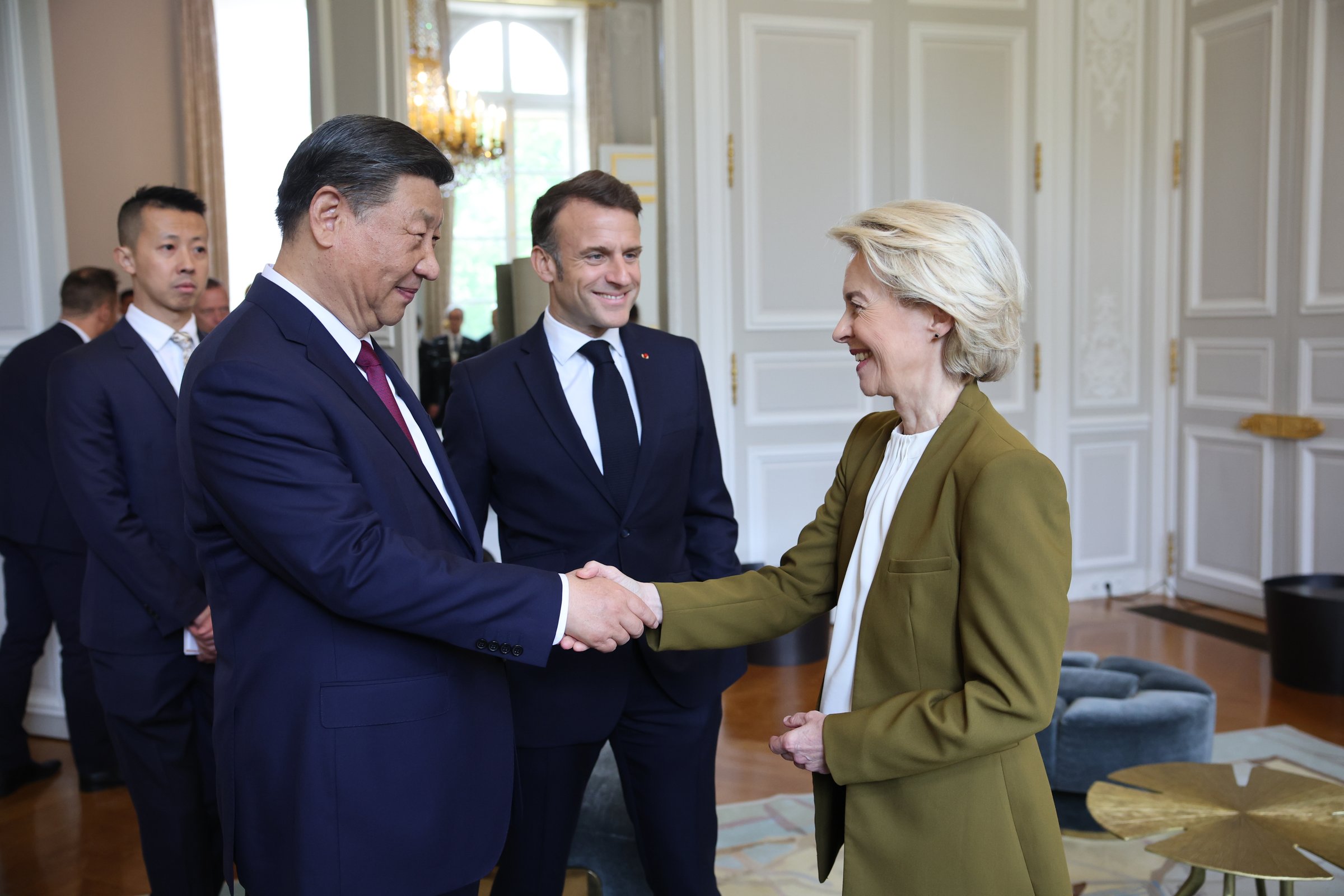
Brussels’ obsessive focus on "de-risking", anti-subsidy probes, and implementation of “anti-coercion instruments” leaves little room for a coherent and pro-active, rather than reactive, EU strategy.
Or take Iran.
The EU once played a pivotal role in negotiating a now-defunct nuclear deal with Teheran. Today as Pakistan and regional powers attempt to broker fresh dialogue between Iran and the US, the EU is not even on the margins of the conversation.
Then there is Gaza.
The EU rightly insists on defending international law when it comes to Russia’s invasion of Ukraine. But while EU foreign ministers have – finally - agreed new sanctions on violent extremist Israeli settlers in the occupied West Bank, imports from their illegal settlements have still not been banned.
The EU-Israel Association Agreement remains in force despite Israel’s repeated violations of its human rights obligations enshrined in the pact and international laws.
And although Europe remains indispensable financially and militarily in helping Ukraine fight Russia, it risks being peripheral as ceasefire initiatives gather momentum.
Yet this is not the full story.


 Shada Islam