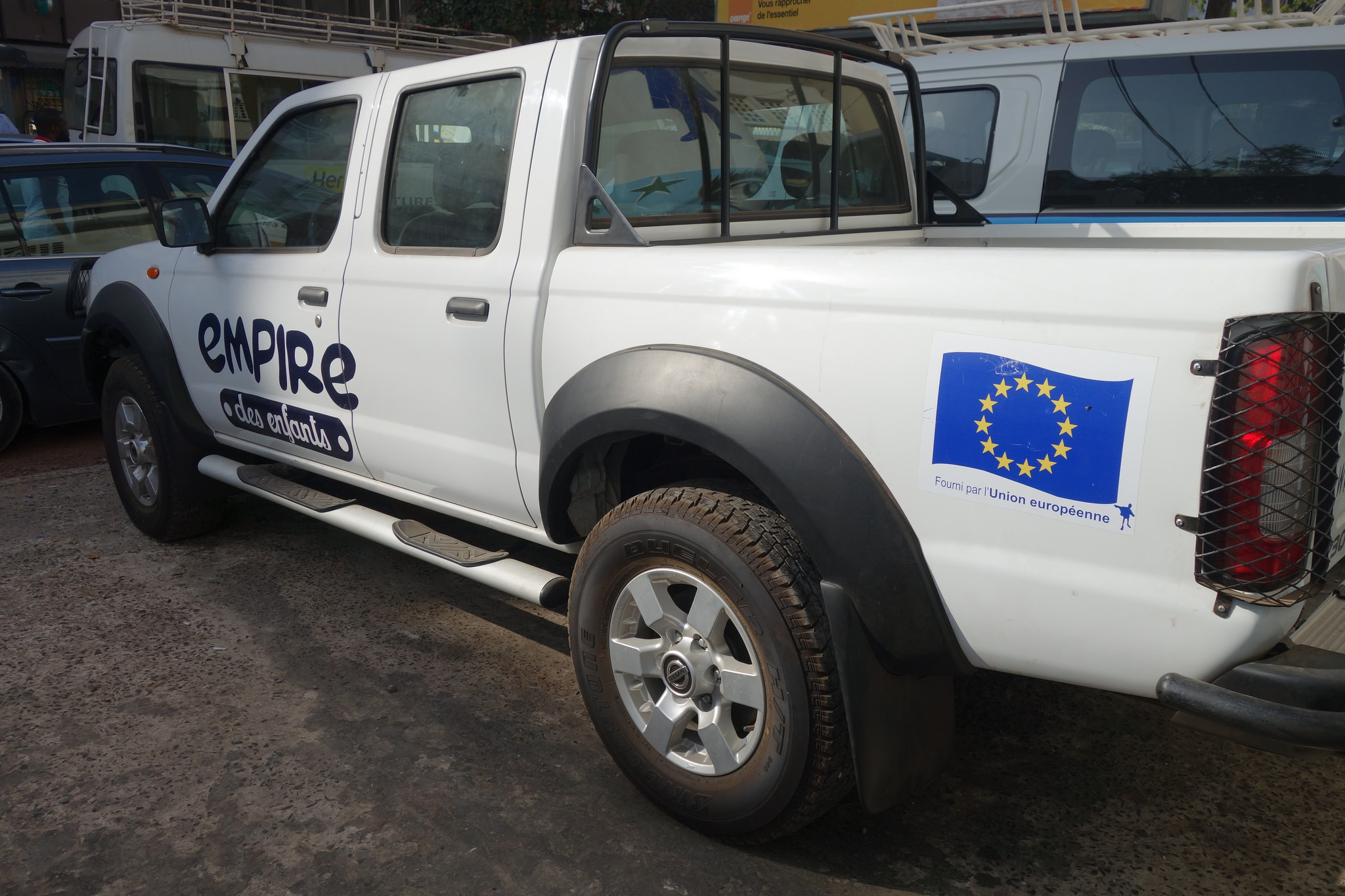
Access to future EU aid funding is likely to be tied to preferential treatment for European firms and withheld from backers of the likes of Russia and Iran, EU foreign affairs chief Kaja Kallas has said.
“If we want to be a geopolitical actor, we have to be more strategic about this, which means that we have to match our tools – humanitarian aid, trade, security and defence partnerships – with the needs of our partners,” Kallas told reporters ahead of an EU development ministers meeting in Brussels on Monday (18 May).
“And plus, if a partner supports Russia or Iran, then it has to be flexible, so that we can realign our engagement in this case,” she added.
Official development assistance (ODA) fell to $174.3bn [€150bn] in 2025 – a 23 percent drop – according to data published in April by the Paris-based Organisation for Economic Cooperation and Development (OECD).
The drop, which was driven by a 56.9 percent cut in US aid spending, is the largest on record.
However, while the cut in US aid allowed Germany to overtake the US as the world’s largest single donor, ODA from the EU institutions dropped by 13.8 percent, and by 9.8 percent from the 23 EU countries who are members of the OECD, dropping aid from the EU to its lowest level since 2017.
The question of what aid policy should look like was on the agenda at April’s IMF and World Bank spring meetings while the OECD hosted its own two-day summit on the issue in Paris last week.
It is likely to mean more investment-focused programmes such as the EU’s Global Gateway initiative which aim to combine small amounts of EU budget funding with private sector cash.
While aid and investment have slumped, the World Bank estimates that between 2022 and 2024, ‘developing’ countries paid out $741bn more in principal and interest on their external debt than they received in new financing, the largest gap in at least 50 years.
Kallas’s hints at leveraging aid and trade are not new.


 Shocked Russians watched worst attack on Moscow since the start of war (Ukraine Battlefield update, Day 1,575)
 Benjamin Fox