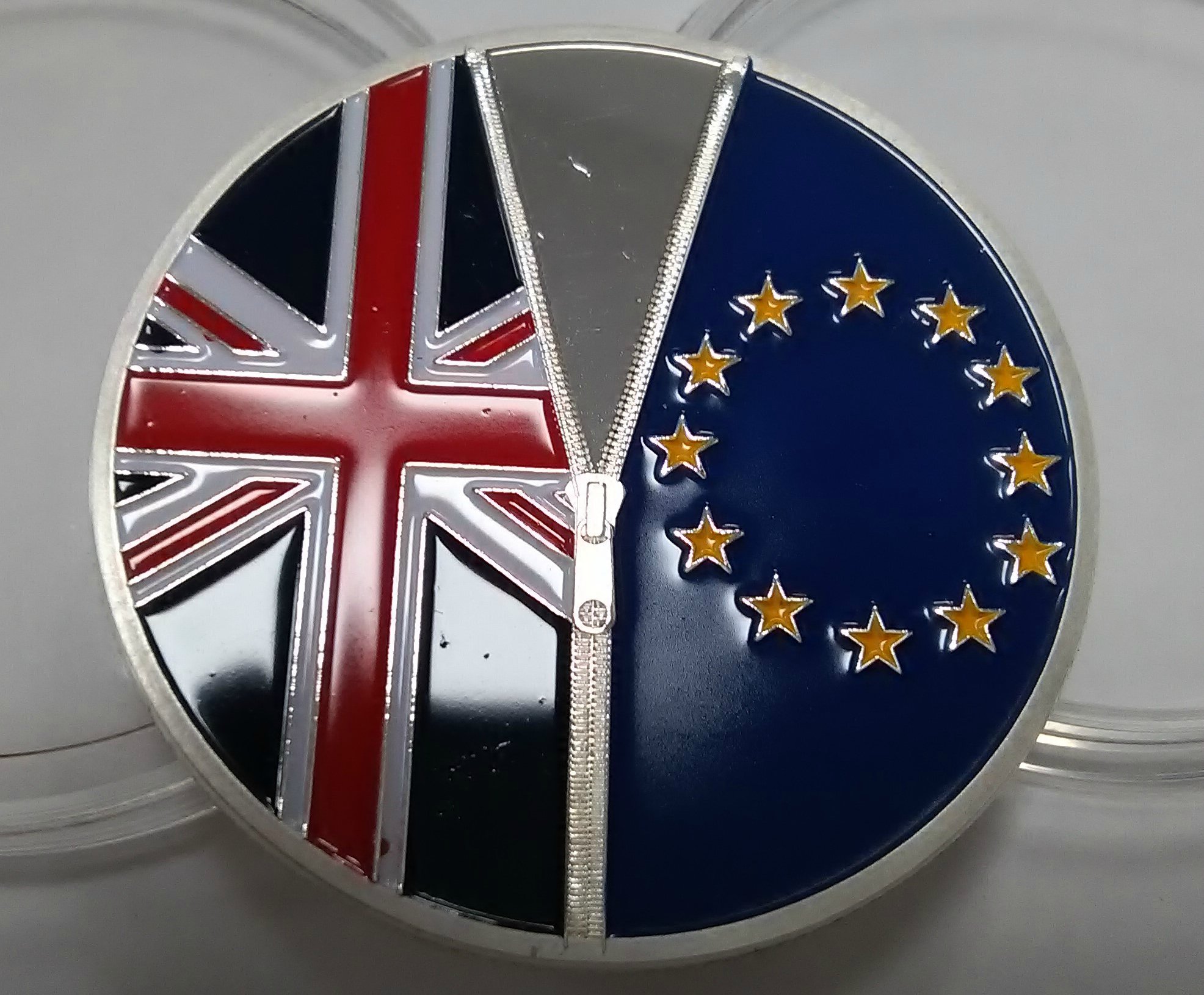
 A process not an event: but Brejoin is in the air
Brejoin is in the air in the UK, where Wes Streeting and Andy Burnham, the two Labour politicians most likely to succeed the desperately beleaguered prime minister Keir Starmer, say that they want the UK to rejoin the EU, with Streeting describing Brexit as a “catastrophic mistake”.
Starmer’s government, meanwhile, has offered to join the single market, according to press reports, but has been rebuffed, for the moment, by the EU. The single market offer was probably deliberately leaked by Starmer’s office to show that he, too, wants to bring the UK closer to the EU.
Back in 2016, the Brexit referendum was pitched by then prime minister David Cameron as a ‘once in a lifetime’ event that would definitively answer the question of Britain’s strained relationship with the EU. That was never a convincing claim. For almost all of the past ten years, a majority of Brits have told opinion pollsters that Brexit was a mistake.
But is Brejoin likely any time soon? Probably not.
The Labour party is facing a tough battle against Nigel Farage’s Reform across swathes of constituencies in the north and midlands of England that voted to leave the EU. And despite the pro-EU majority among voters, not many – probably between 10-20 percent of voters – have changed their minds since 2016. The sense that mainstream political parties are not listening to Britain’s ‘left behind’ has not gone away and it is hard to see Burnham or Streeting risking their party’s chances of clinging to power in 2028 or 2029 by sticking up two fingers at those who backed Brexit.
Besides, given how the 2016 referendum campaign poisoned the well of British politics for years, it would be seriously brave for a prime minister Burnham or Streeting to hold another plebiscite.
Then there are the terms of rejoining. Britain, like Sweden and Denmark, would probably never be expected to join the euro – it is hard to imagine that a ‘Rejoin’ campaign could win if euro membership was part of the deal. But London couldn’t expect to keep the rebate from the EU budget won by Margaret Thatcher in 1981 and clung on to by successive governments. The UK would likely return as the second largest net contributor behind Germany, though the Netherlands and several others would be higher contributors per capita.
And, of course, all this is predicated on the assumption that EU leaders would welcome prodigal Blighty back.
On Saturday (24 May), leading members of Marine Le Pen’s Rassemblement, which opposes enlargement of the EU, said that the UK should not be allowed to rejoin without a referendum. That would need Rassemblement to win next year’s presidential election, but it is a reminder, if nothing else, of how unpredictable the process of EU accession can be.
What is more likely that Brejoin – if it happens – becomes a process, not an event, and the culmination of years of closer co-operation across the breadth of EU policy.
During Rishi Sunak’s premiership, the UK agreed to cough up £2.2bn per year for access to Horizon Europe, the EU’s flagship research and development programme. To that, Starmer’s government has added £570m per year to access the Erasmus student exchange scheme and €766m to France as part of a three year agreement to limit small boat crossings on the Channel.
A defence co-operation deal that would allow UK firms to access defence procurement contracts as part of the EU’s €800bn SAFE programme is likely to be next followed by an agreement on phytosanitary standards to boost trade in agricultural produce.


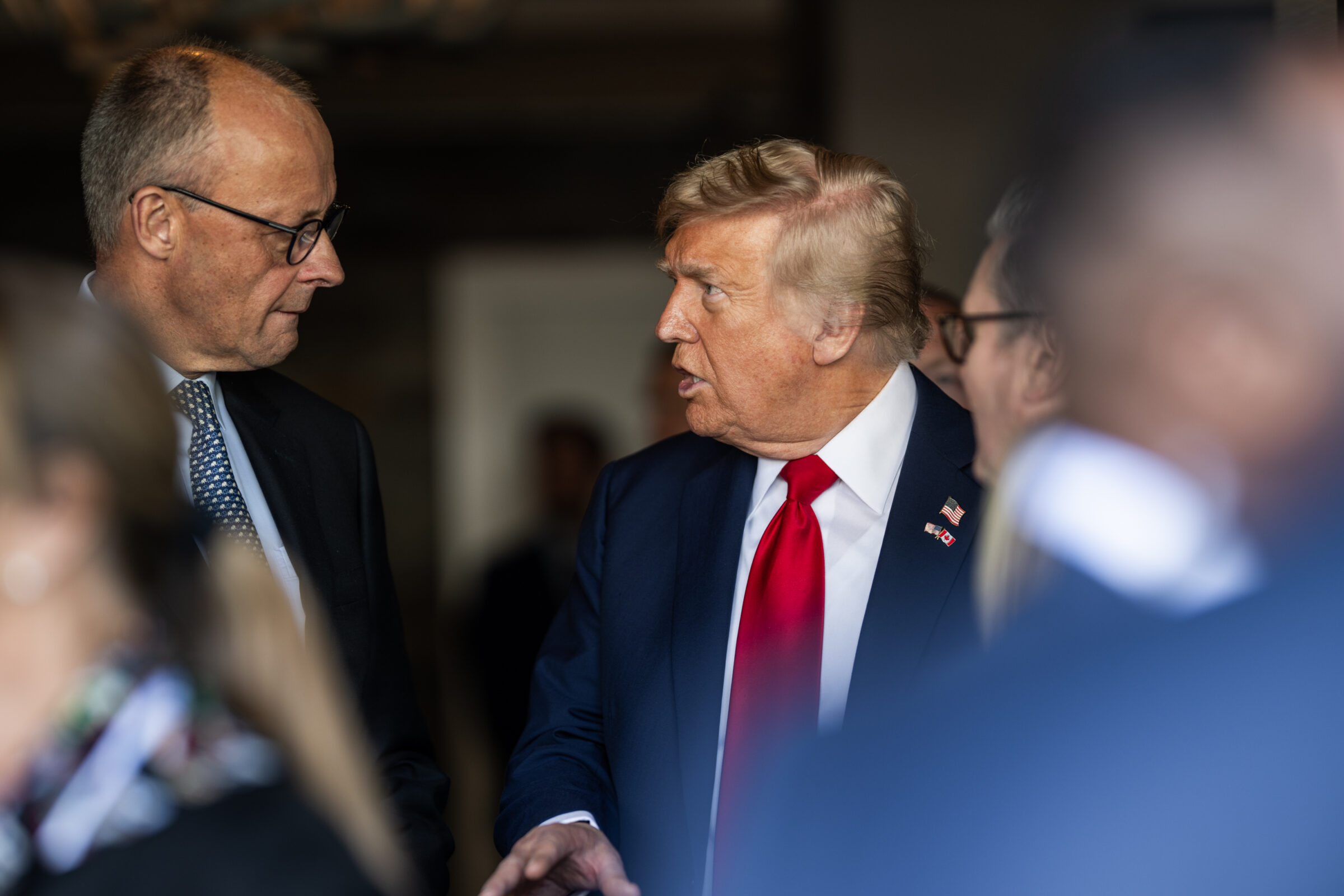
 THIS WEEK: Angry Trump meets EU leaders at G7 summit, as Ukraine starts accession talks
 Benjamin Fox