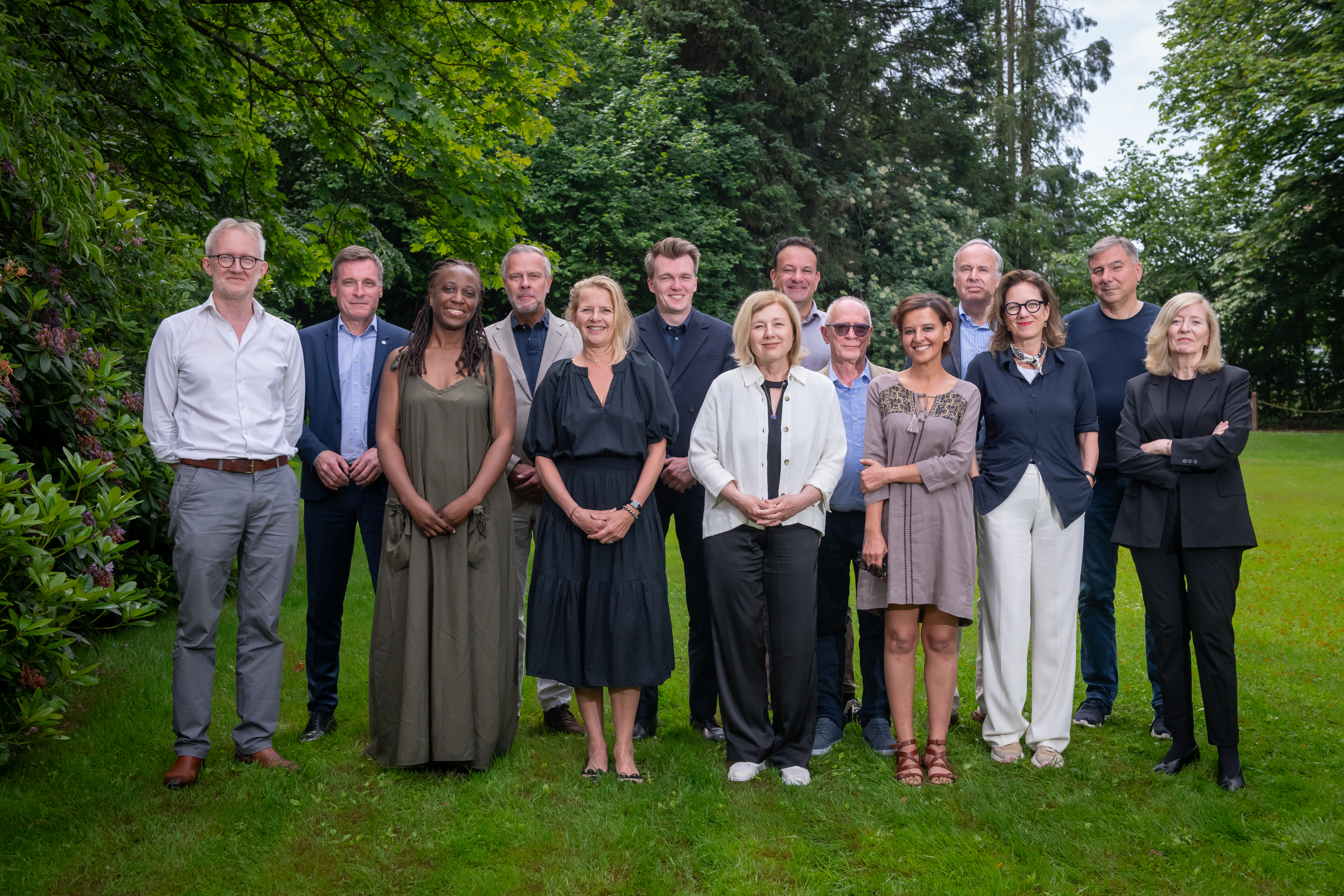
Ex-EU commissioner Věra Jourová plus other leading figures on Monday (1 June) launched Democracy27 – a new initiative to strengthen participation across the bloc and restore citizens’ trust in EU institutions ahead of the 2027 political cycle.
“People say they value democracy, yet many are unhappy with how it works. This is why we are here,” Jourová said in Brussels, unveiling the initiative.
“We need to understand why confidence in democracy is eroding and find solutions.”
Democracy27 is born out of a paradox reflected in recent surveys. While 77 percent of Europeans say democracy is important, 64 percent are dissatisfied with how it functions in practice, according to a 2025 survey from Pew Research.
The project brings together a diverse group of senior politicians, academics and civil society figures to examine the growing disconnect between Europeans and their democratic systems.
The group includes figures such as former EU ombudsman Emily O’Reilly and former French education minister Najat Vallaud-Belkacem.
Among the task force’s members is also Ireland’s Leo Varadkar, the former Taoiseach (prime minister), who warned that democratic backsliding is becoming increasingly visible both within and outside Europe.
“Confidence in democracy is eroding,” he said. “We cannot take democracy in Europe for granted anymore”.
While in Ukraine, people are fighting for democratic values, he also said the United States is “no longer delivering” the leadership it once did in the West. “Around the world, there is growing fear of authoritarianism”.
Global freedom suffered its 20th consecutive year of decline, leaving just 21 percent of the world’s population living in “free” nations, according to a report from US-based non-profit Freedom House.
The report highlights a decline within Europe, marked by sharp score drops in both Bulgaria and Italy.
Warning signs
Asked about the greatest challenges facing democracy today, Jourová pointed to what she described as growing authoritarian tendencies in democratic countries.
“The warning signs are there,” she told EUobserver. “Some governments elected democratically begin to think their power comes not from the people but from gods.”
Jourová became one of the most prominent defenders of the EU’s rule-of-law framework during Brussels’ disputes with Hungary and Poland. “What Viktor Orbán managed to do in the sense of dismantling the different elements of the democratic system during 16 years, Fico tries to do it in one,” she said.
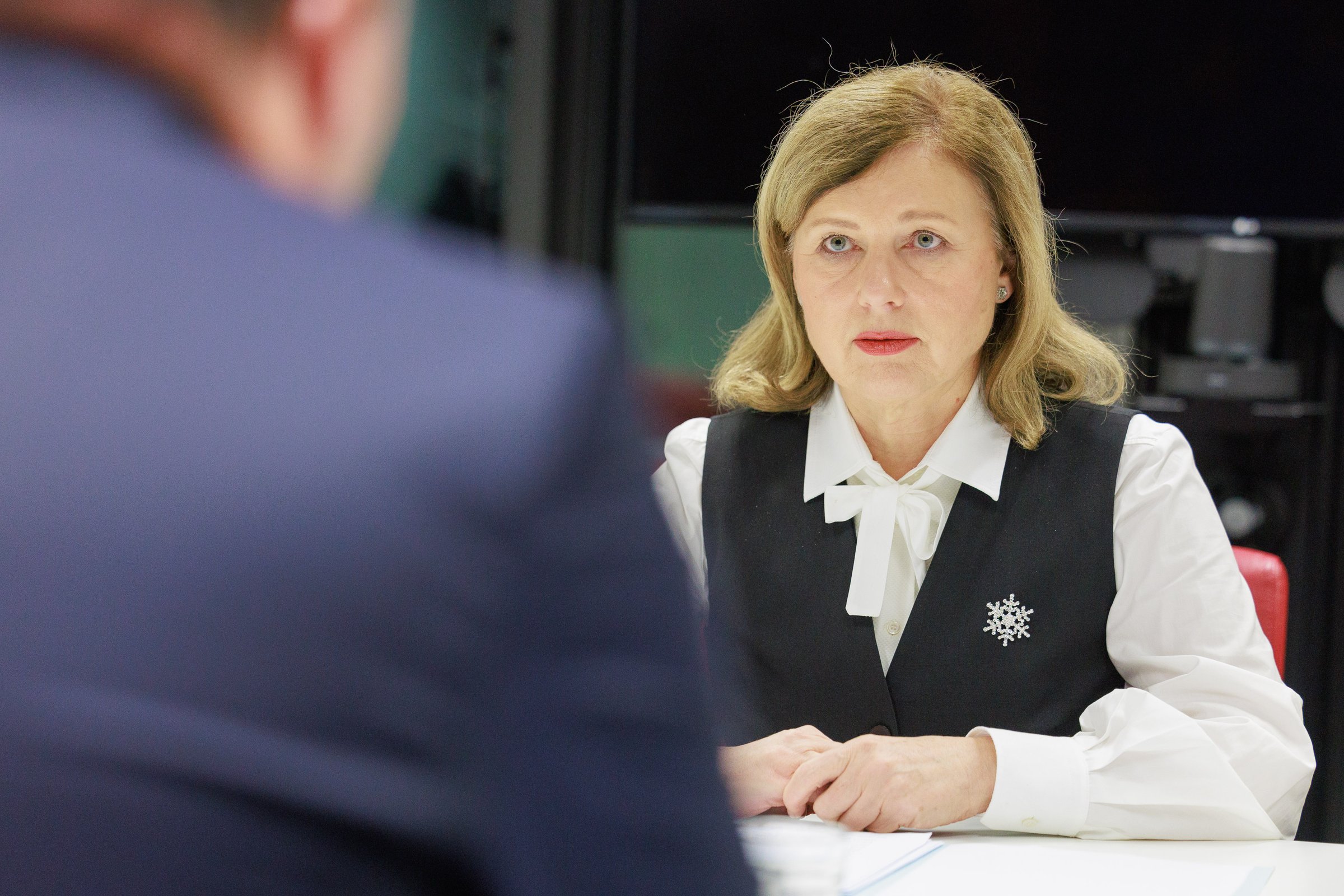
What is important, she said, is that people go to the streets and express their views. “We saw the reaction of people, of the artists. There was a Slovak Spring. This is the first condition for successful stopping of these [autocratic] tendencies.”
Autocrats are following Putin’s playbook, Jourová also said, arguing that defending the rule of law must remain a central priority for Europe.
As a part of the European Democracy Action Plan, the Democracy Shield addresses issues of foreign interference and disinformation. The initiative, Jourová said, complements it “with many things that need to be done on the ground”.
“We are in the middle of a hybrid war […] We see a weaponisation of words,” she also said.
Upcoming elections
Democracy27’s ambition is to put democracy back on the agenda ahead of the 2027 elections taking place in several EU countries, including France, Italy, Spain and Poland.
The group intends to spend the coming year listening to citizens’ concerns, studying these trends before producing a roadmap outlining how to strengthen democratic governance across the continent.
“The upcoming elections will be vital,” said Madeleine de Cock Buning, chair of the Advisory Council of European Digital Media Observatory (EDMO), raising concerns about the rise of misinformation and describing independent media as “the oxygen of democracy”.
“In recent years, public debate has drifted,” France’s Vallaud-Belkacem said. “It has become more violent and more brutal. It is increasingly difficult to disagree without falling into discord.”


 Petra Pavlovičová