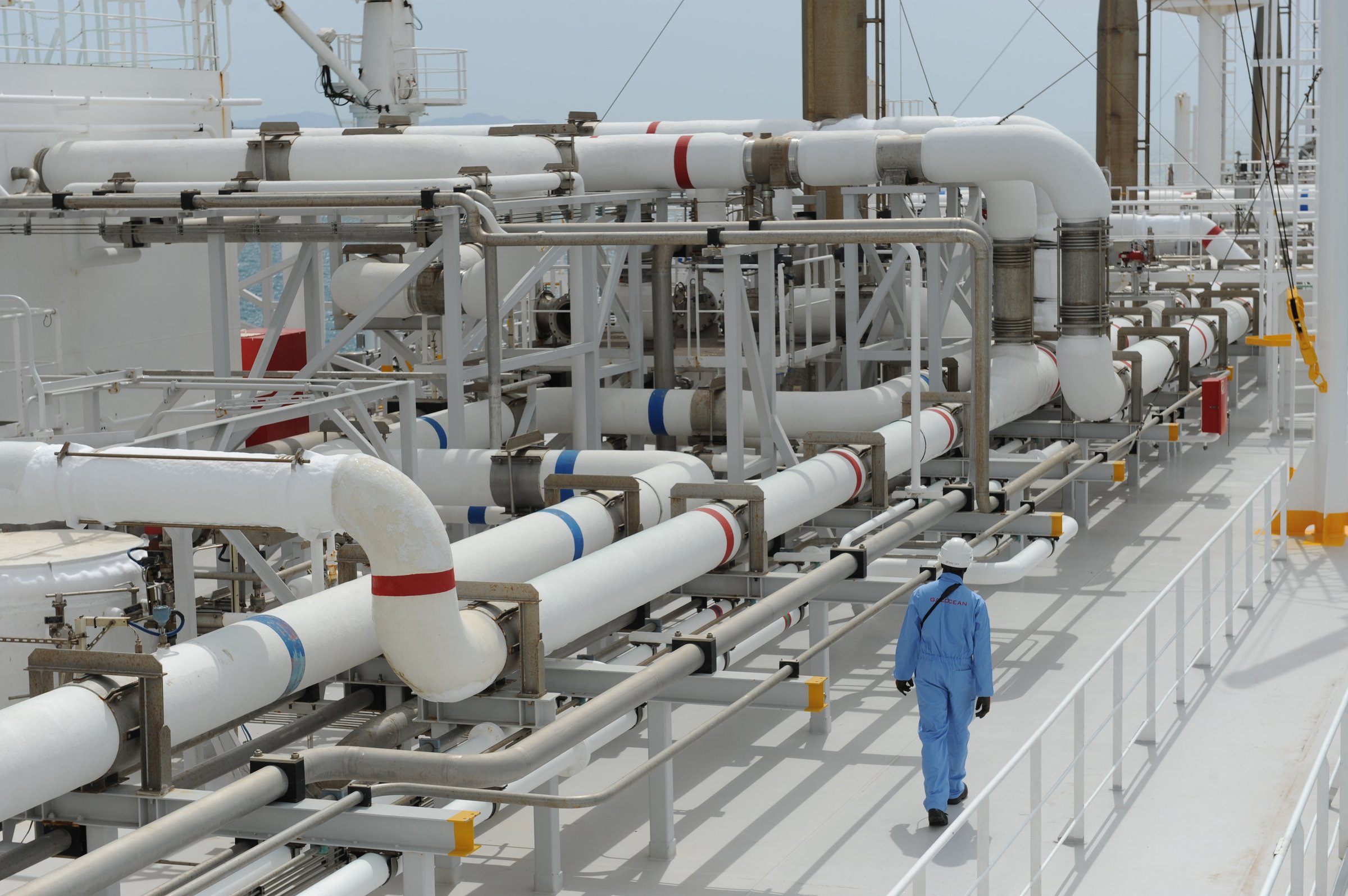
European imports of liquefied natural gas from Russia’s Yamal project rose sharply in the first five months of 2026, new data shows.
Between January and May, more than 8.3 million tonnes of liquefied natural gas (LNG) were to shipped to EU ports from Russia’s Yamal site in the Arctic North.
This is a 17.9 percent increase compared with the same period last year, Kpler shipping data analysed by the German NGO Urgewald and published on Wednesday (10 June) shows.
The EU proposed a 21st package of sanctions against Russia on Tuesday, which includes a freeze of the oil price cap at its current level for six months and tightened restrictions on Russian LNG and tanker sales to cripple Russia’s fleet.
“Targeting LNG tanker sales goes in the right direction,” said Sebastian Rötters, a campaigner at Urgewald. “But enforcement must be watertight. “
“The EU should also seriously consider mechanisms to prevent the sale of tankers to Russia or its allies via middlemen,” he added. So far, the NGO concludes, the EU sanctions regime hasn’t been very effective.
“The short-term contract ban has had no visible effect so far,” said Rötters.
Despite the ban, which came into effect in March, almost 97 percent of the ships that left Russia’s north-west Siberian Yamal site arrived at an EU port.
The measure was intended to gradually choke off spot-market purchases of Russian gas.
But a timing gap in the rules appears to have blunted its impact.

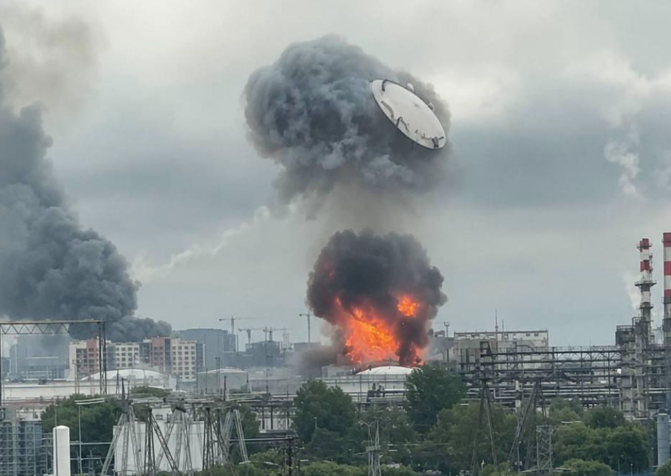
 Shocked Russians watched worst attack on Moscow since the start of war (Ukraine Battlefield update, Day 1,575)
 Wester van Gaal