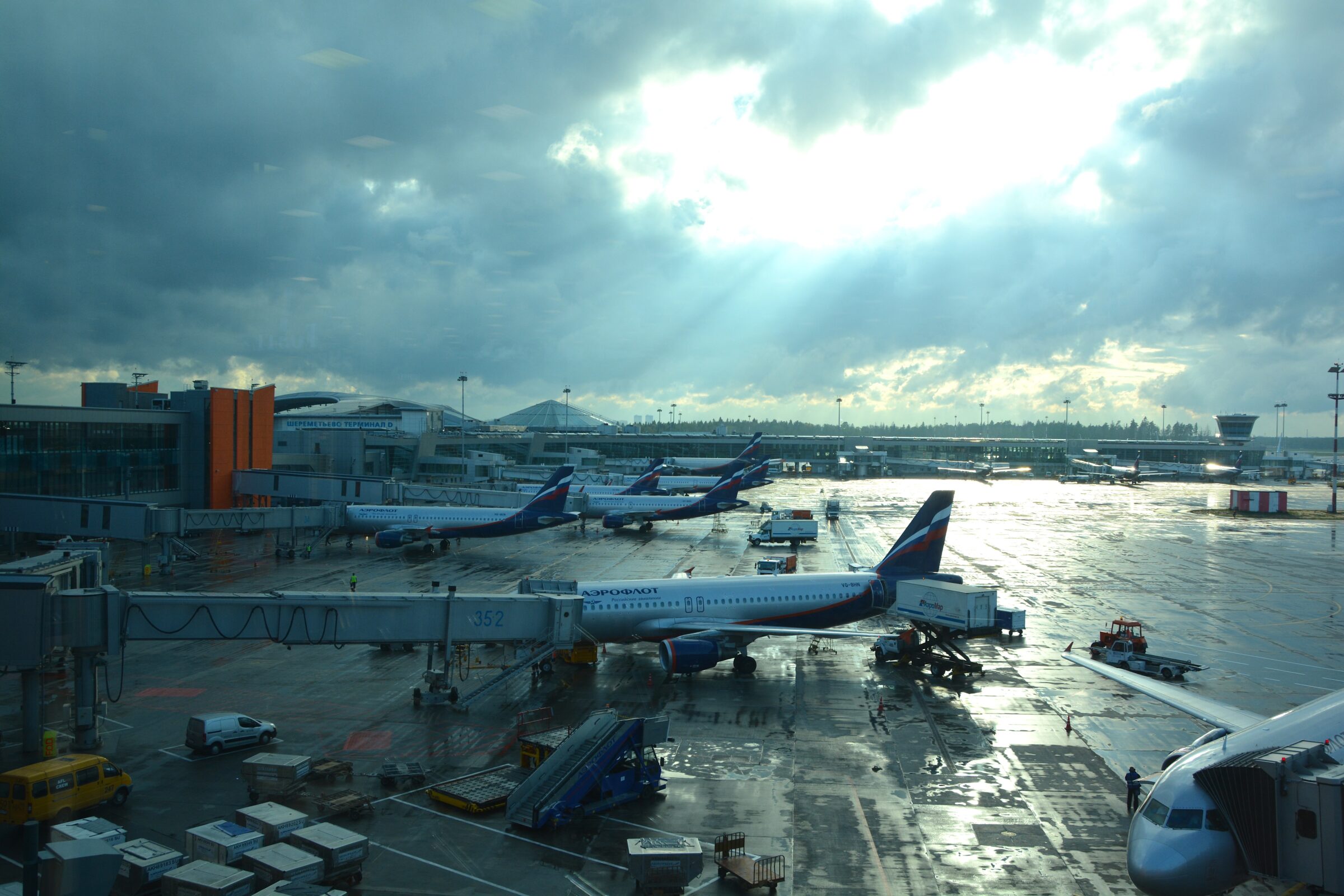
“We have a saying about the police in Russia: If someone reports a threat, they tell you: ‘Come back when you’ve been murdered’ – and, sometimes, it feels like the bureaucrats making asylum decisions [in the EU] work on the same principle,” said Oleg Ponomarev, a Russian dissident whose asylum request was rejected by Germany and who now risked jail or conscription if he was forcibly deported.
Russian refugee Nikita Belov, who faced deportation by Finland, also said he would be “arrested immediately on charges of high treason” if sent back.
And Artem Vovchenko, who deserted the Russian army, was jailed when the US deported him to Russia in 2025, despite his medical problems, but later escaped again.
“After a few months in cramped conditions in pretrial detention [in Russia], I couldn’t walk, sit, or stand [due to pain]. My left leg was paralysed, as my herniated disc was compressing a nerve. I also had gastric problems due to the bad food … I fell into depression and waited for something, I didn’t know what,” he told EUobserver.
“I’m trying to get back on my feet now and I just need a little support from people who still believe in goodness and love”, Vovchenko said, speaking from hiding in a secret location outside Russia.
But EU asylum rejection rates showed there was little love for Russians fleeing president Vladimir Putin’s regime.
One reason was ignorance of Russia among EU immigration authorities, Ponomarev and Belov’s stories indicated.
Other motives were security fears, especially over ex-Russian soldiers, such as Vovchenko.
But the main reason was Europe’s lurch toward far-right politics on immigration in general – and Vovchenko’s story also showed what the EU might become if it stayed on the path toward US-type brutality against people in need.
“I was sent back slave-style, chained like a slave, stuffed onto a plane, and handed over directly to Russian border guards with no chance of escape,” Vovchenko told EUobserver of his deportation from the US to Russia in September last year.
Little EU love
Some 50,625 Russians applied for EU protection in the three years since Putin fully invaded Ukraine in 2022, according to the European Commission, as part of a much larger Russian exodus.
They did it either because they opposed the war and feared Putin’s crackdown on dissent or because they risked conscription — which meant either death on the front line or being ordered to commit war crimes.
“Russians don’t apply for asylum because of benefits or social aid,” said Anastasia Burakova, the founder of Ark, an international group which helped Russian asylum seekers.
 EU deportation bill set to sail through parliament, as left scramble to add safeguards

 THIS WEEK: Angry Trump meets EU leaders at G7 summit, as Ukraine starts accession talks
 Andrew Rettman