Production: By Europod, in co-production with Sphera Network.
EUobserver is proud to have an editorial partnership with Europod to co-publish the podcast series “Briefed” hosted by Léa Marchal. The podcast is available on all major platforms.
Find the full transcript below:
For several weeks now in Brussels, one question keeps coming up at European Commission press briefings: are Taliban representatives really going to come to Brussels to meet EU officials? When? And why?
A meeting is indeed being planned between European Commission officials and representatives of Afghanistan’s Taliban regime.
So why is the EU negotiating with a regime it does not even consider legitimate?
I’m Léa, and this is Briefed, your daily European podcast.
According to Belgium’s migration minister, Anneleen Van Bossuyt, there are simply too many Afghans in Belgium.
In 2025, people fleeing Taliban rule accounted for around 20 percent of all asylum applications lodged in the European Union. More than half were granted refugee status.
The rest are supposed to leave.
But in reality, 98 percent remain in Europe.
That is why Minister Van Bossuyt is asking the EU for solutions to send Afghans back to their home country.
Last October, she joined forces with 19 other European ministers and called on the EU to open a dialogue with the Taliban. The goal: convince the Taliban authorities to take back Afghan nationals who are staying illegally in the European Union.
Alongside Belgium, the signatories included Sweden, Germany, Italy and the Netherlands.
They argue that Afghan nationals are increasingly involved in violent incidents, although they have not provided figures to support that claim.
Still, the European Commission responded positively.
Just three months after receiving the letter, a European delegation travelled to Afghanistan in January 2026 to meet Taliban officials.
Since then, talks have continued. The next step is expected to be a visit by a Taliban delegation to Brussels in the coming weeks.
An invitation that has sparked outrage in Brussels.
The Taliban regime is not officially recognised by the European Union. What’s more, the European Parliament has accused the Taliban of imposing a system of gender apartheid.
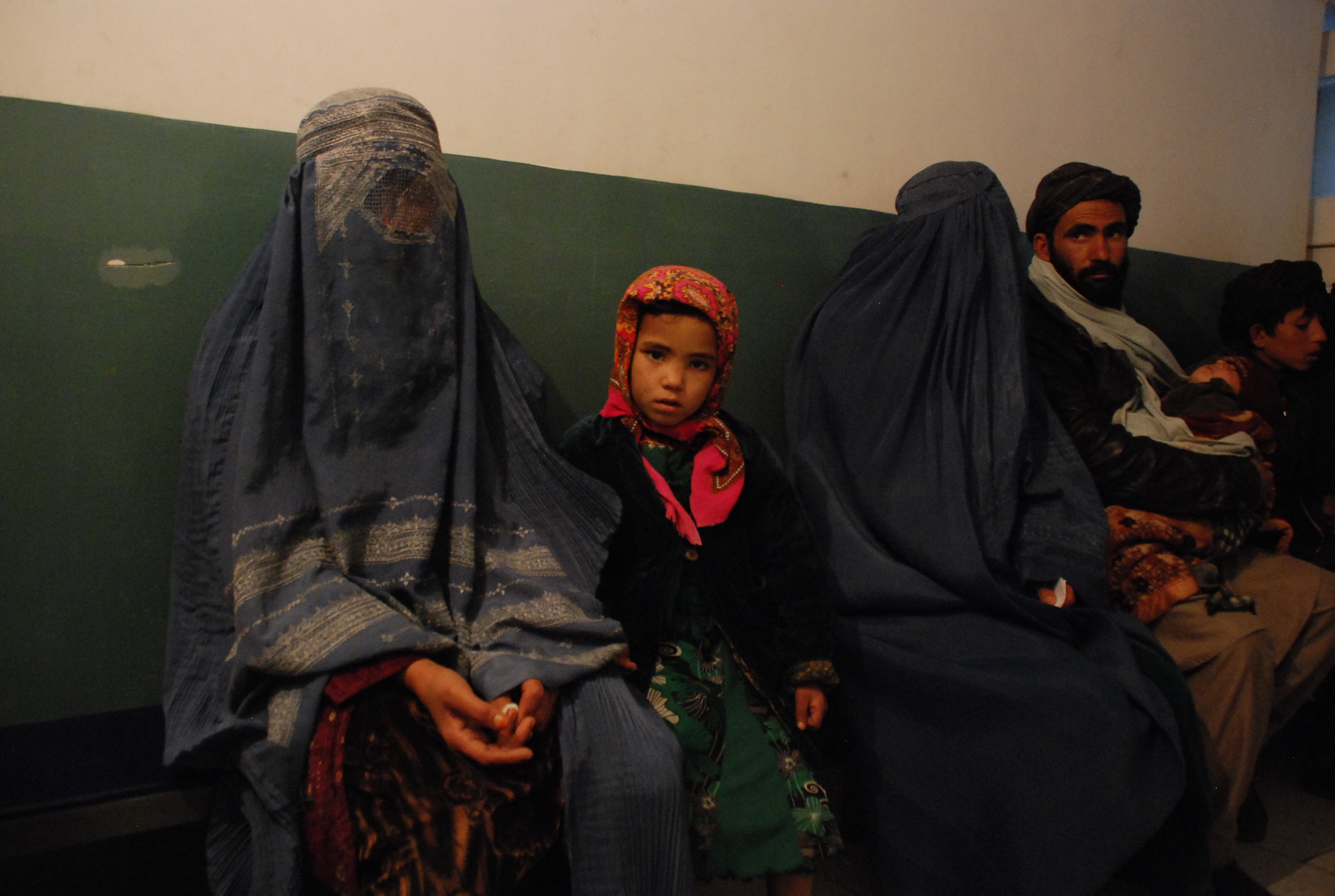
Since returning to power, the Taliban have gradually barred girls from continuing their education beyond primary school. Women have largely been excluded from the workforce, face severe restrictions on travelling alone, and are even banned from many public spaces.
So why is the European Commission engaging in these talks?
That is the question many journalists and NGOs have been asking.
The Commission’s answer is simple: we are following the instructions of the member states.
It also insists that the objective is not to deport all rejected Afghan asylum seekers, but only those who have committed crimes.
That is indeed what the letter from the 20 member states says. It states that priority should be given to “the return of individuals who pose a risk to public security or national security.”
That sounds reasonable.
But in practice, the wording is vague. Depending on how it is interpreted, even a minor offence could potentially be considered a threat to public order.
According to Human Rights Watch, the Taliban arbitrarily detain opponents of the regime.
It is therefore easy to imagine the risks that people could face if they are sent back to Afghanistan.
This reminds me of the debate over the EU’s list of safe countries of origin, which I discussed in the 9 March episode.
Afghanistan is not on that list. One of the key criteria for a country to be considered safe is that asylum applications from its nationals are rejected in more than 80 percent of cases.
As we’ve seen, for Afghanistan, the recognition rate was still 56 percent last year.
Against this backdrop, a group of 46 members of the European Parliament is calling for the talks with the Taliban to be halted.
They argue that Belgium should not even grant visas to Taliban representatives for the meeting.
So far, the European Commission has not announced a date for the visit.