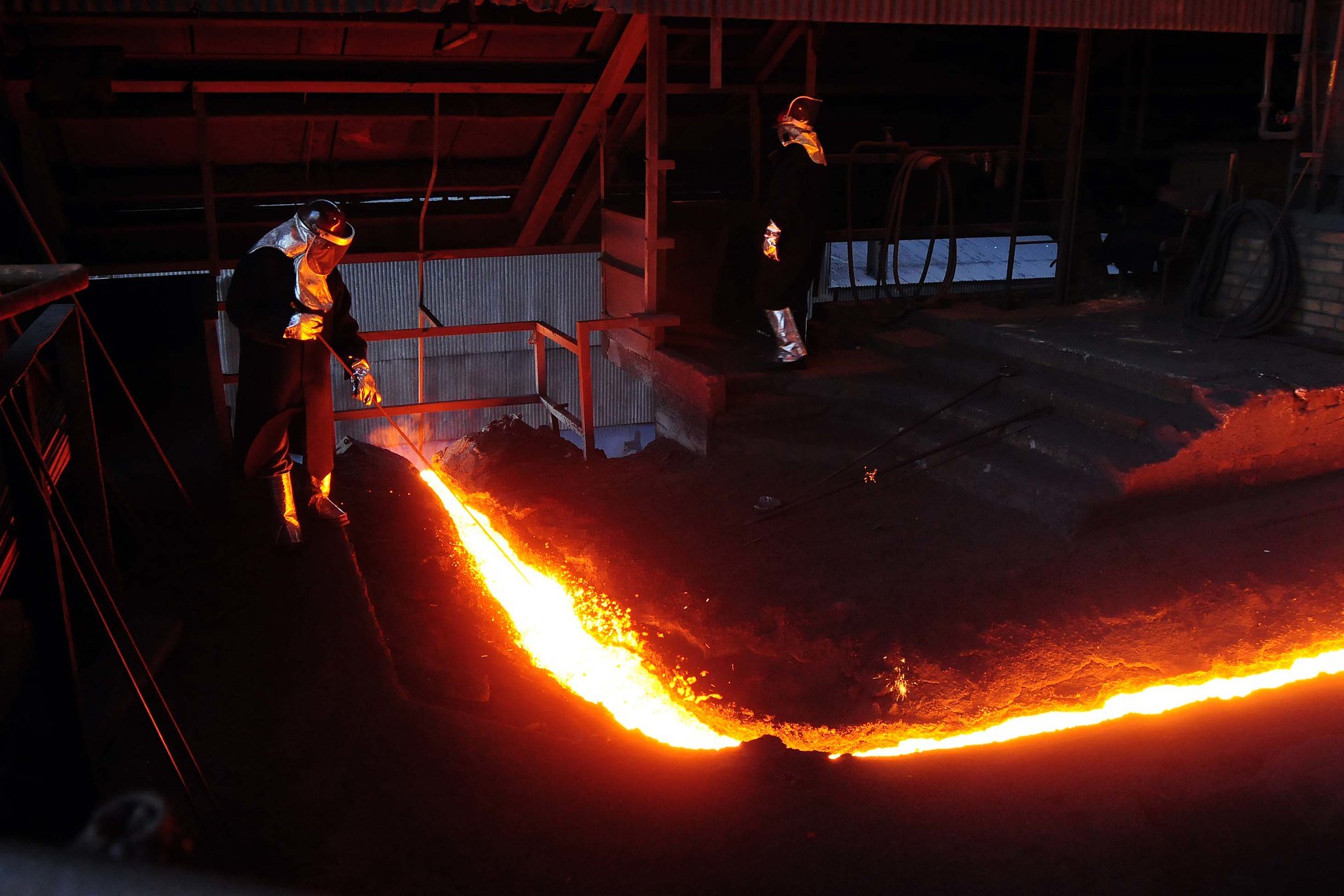
China will bear the brunt of new steel quotas designed to reduce the EU’s steel imports by 47 percent, after the EU Commission set out plans to give preferential treatment to the countries with which the bloc has a trade pact.
On Tuesday (30 June), the commission said that half of the EU’s annual import quota – set at 18.3 million tonnes from 1 July – ‘has been reserved exclusively for preferential trading (FTA) partners, with the remaining half available to all trading partners without discrimination, including FTA partners.’
That will hurt China, which accounted for 9.9 percent of the EU’s steel imports in 2025, but does not have a trade agreement with the bloc. At 17.2 percent and 11.5 percent, Turkey and South Korea were the top two steel-exporters to the EU and are among 13 countries that have trade agreements with Brussels and have had their quotas reduced by only a third.
The other countries to benefit are India, the UK, Indonesia, Egypt, Brazil, Switzerland, North Macedonia, South Africa, Argentina, Ukraine and Singapore.
“The commission is putting in place the practical arrangements needed to ensure that the EU’s steel measure operates effectively from day one,” said EU trade commissioner, Maroš Šefčovič.
When the commission proposed the 47-percent reduction in steel imports last November, after officials said that they would seek to broker ‘country-specific’ quotas with their trading partners, including the UK.
The UK government, which is in the process of nationalising British Steel, is also holding talks with Chinese commerce minister Weng Wentao this week on its own steel duties.
Commission officials say that the 18m tonne import ceiling is a bid to protect the bloc’s steel industry from chronic global oversupply, primarily from China. Imports in excess of the quota will face 50-percent duties, up from 25 percent under the previous rules.
It points to global supply of steel of over 620m tonnes – and which is estimated to reach 721 million tonnes – more than five times the EU's annual steel consumption. EU officials say that the EU’s steel industry is only functioning at 67 percent capacity, and that the new import controls aim to increase this to 80 percent.
Without the quotas, the European steel industry, which is worth €152bn per year and accounts for around 293,000 jobs, is unable to compete, say EU officials.
Steel was also a major sticking point in the EU’s trade negotiations with the United States. President Donald Trump has imposed 50percent tariffs on EU steel, prompting a 34 percent drop in EU steel exports to the US last year.
However, the EU has demanded that these tariffs be dropped as part of the trade agreement approved by EU lawmakers earlier in June which sets a 15 percent tariff on most EU exports.




 Benjamin Fox