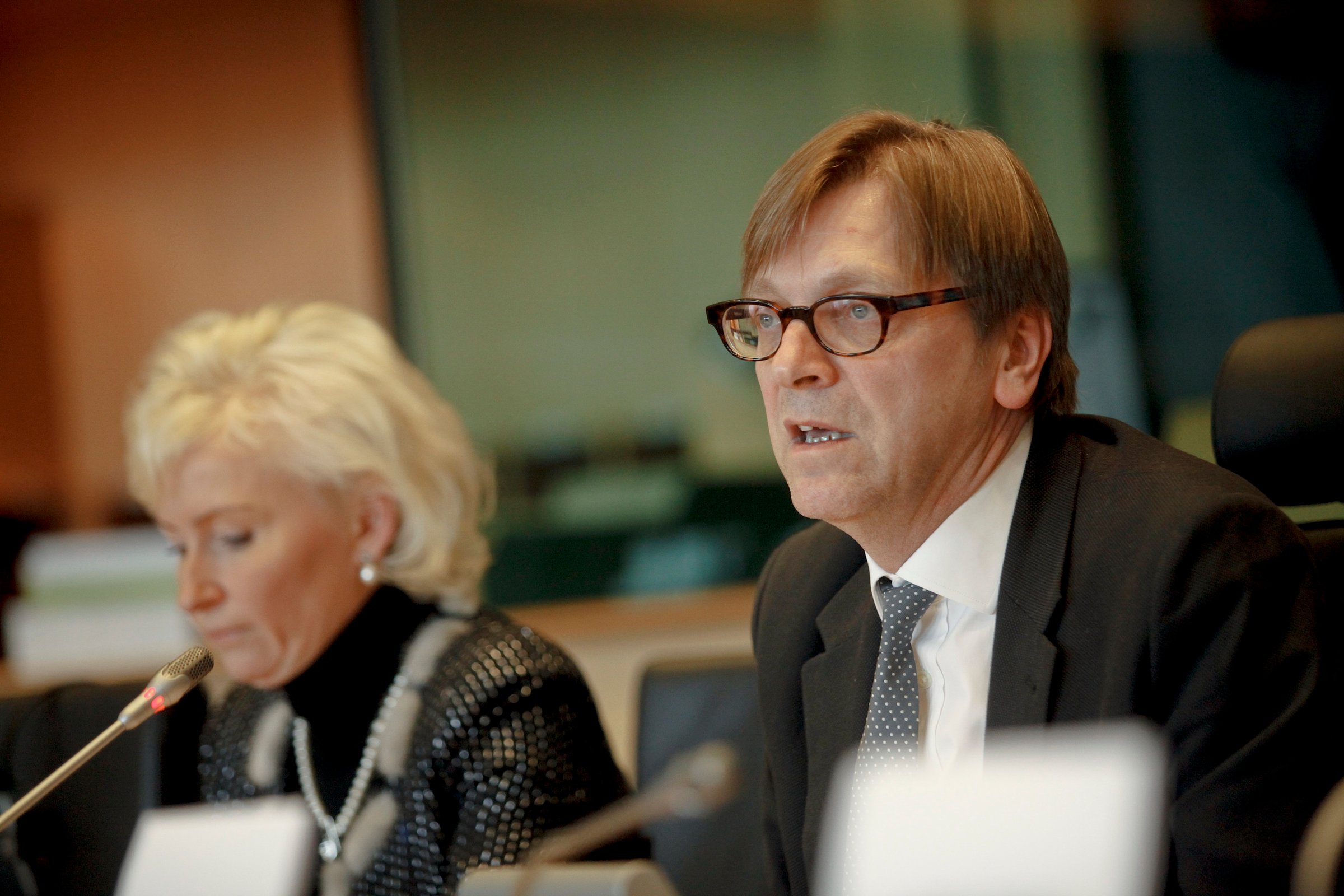
Despite what the Kremlin says, Russia is not threatened by so-called Western values.
Nor is it threatened by the European Parliament, the US state department, by what Russia likes to call “unnamed foreign powers,” by Russian girl-punk bands, by Americans citizens who adopt Russian children or by NGOs funded from abroad which it says want to undermine Russian stability.
Instead, Russian citizens are themselves clamouring for change after being denied a genuine democratic choice in the Duma elections in December 2011.
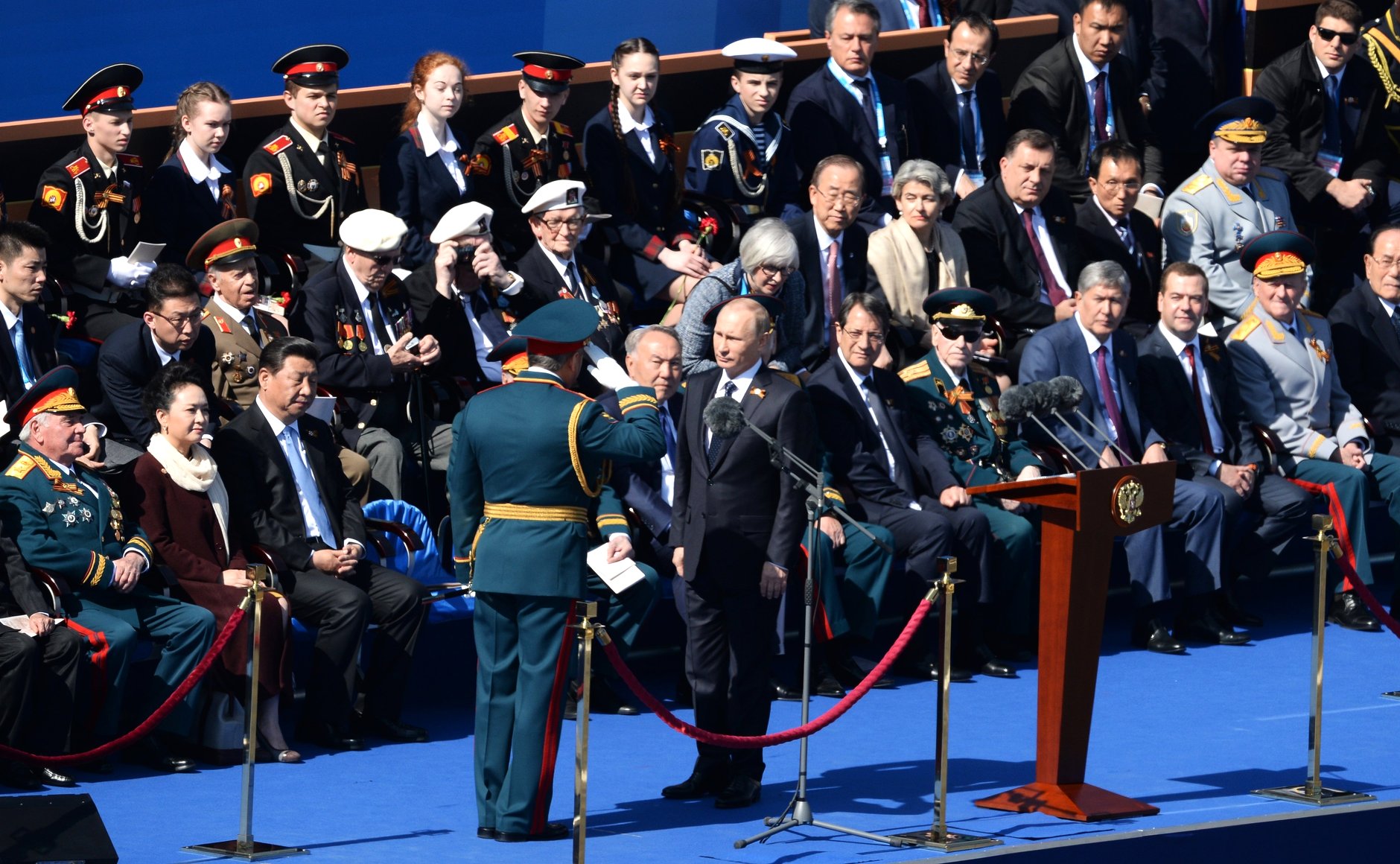
In March, it will be one year since Vladimir Putin was re-elected President of the Russian Federation. His achievements are to be judged by the Russian people. But it is abundantly clear that Putin looks for his strength in Russia’s totalitarian past.
The protest movement that started with the rigged Duma elections goes on.
An ever-growing segment of Russian society has become disillusioned with Putin’s regime and has found renewed courage to speak out.
If the Kremlin behaved rationally, it would have seized this window of opportunity and embraced a roadmap toward deeper democracy.


 What went wrong? Russian missile attack on open-air weapons exhibition exposes catalogue of errors (Ukraine Battlefield update, Day 1,615)