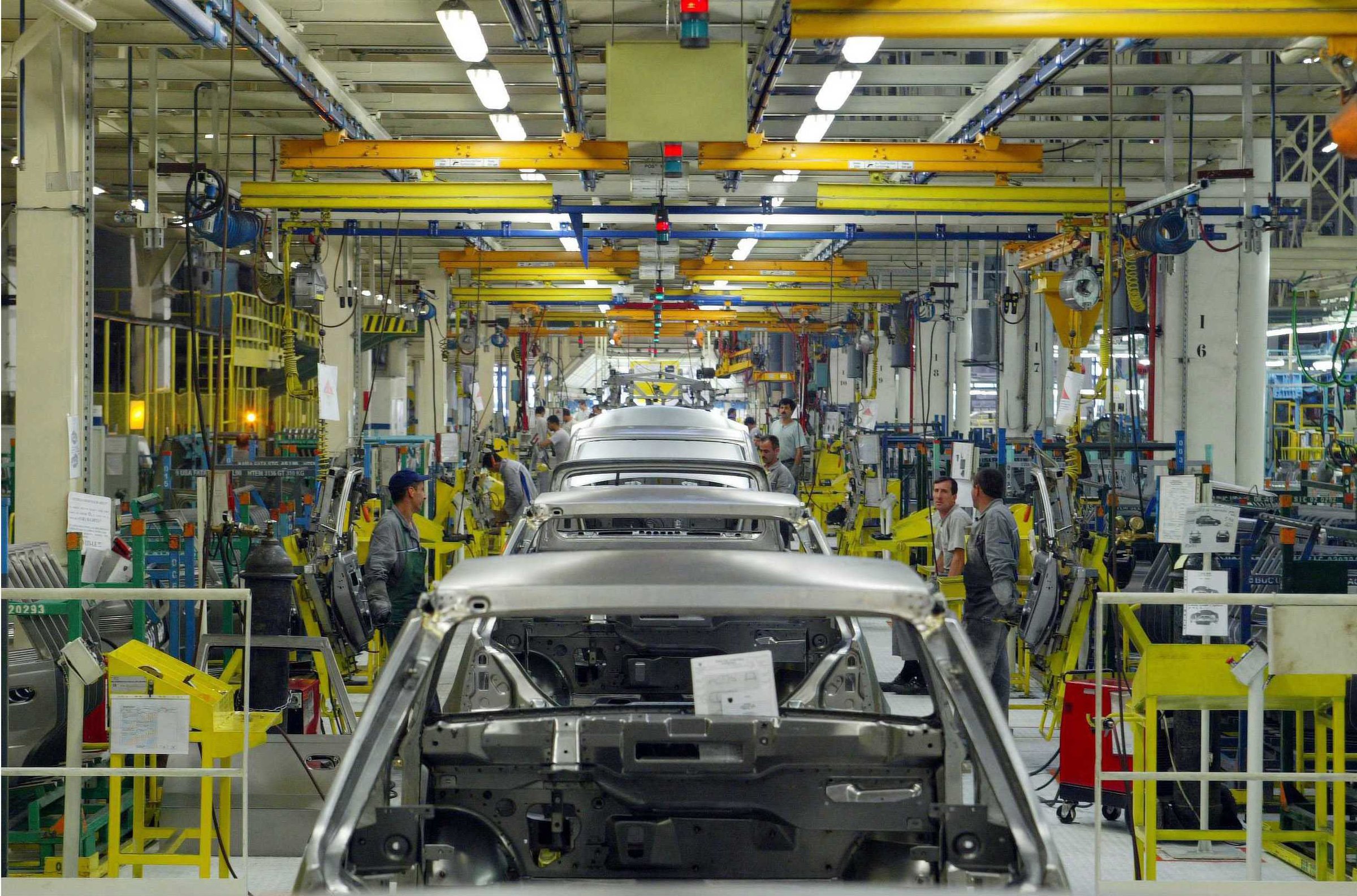
The European Commission has overturned a planned ban on European car manufacturers producing petrol-driven vehicles after 2035, in a major win for the EU’s industry lobby on Tuesday (16 December).
In a wide-ranging ‘automotive package’ published on Tuesday, the EU executive confirmed that rules requiring manufacturers to ensure that 100-percent of their new cars and vans had zero emissions after 2035 had been reduced to 90 percent.
That will allow firms to keep making a reduced number of plug-in hybrid electric cars or combustion engine vehicles beyond 2035.
However, in a bid to salvage the integrity of the EU’s ‘net zero’ emissions targets, the 10 percent of vehicles that are not carbon neutral will need to be compensated by using other green measures on the production line, including the use of green steel made in Europe or use of biofuels in non-electric vehicles.
The commission insists that the changes do not change the EU’s ‘net zero’ carbon emission targets.
But overturning the combustion engine ban is the biggest of a series of wins for the industrial lobby and European car industry since Ursula von der Leyen commission’s second term started last July, and a major carve out from the ‘green deal’ laws adopted in her last mandate.
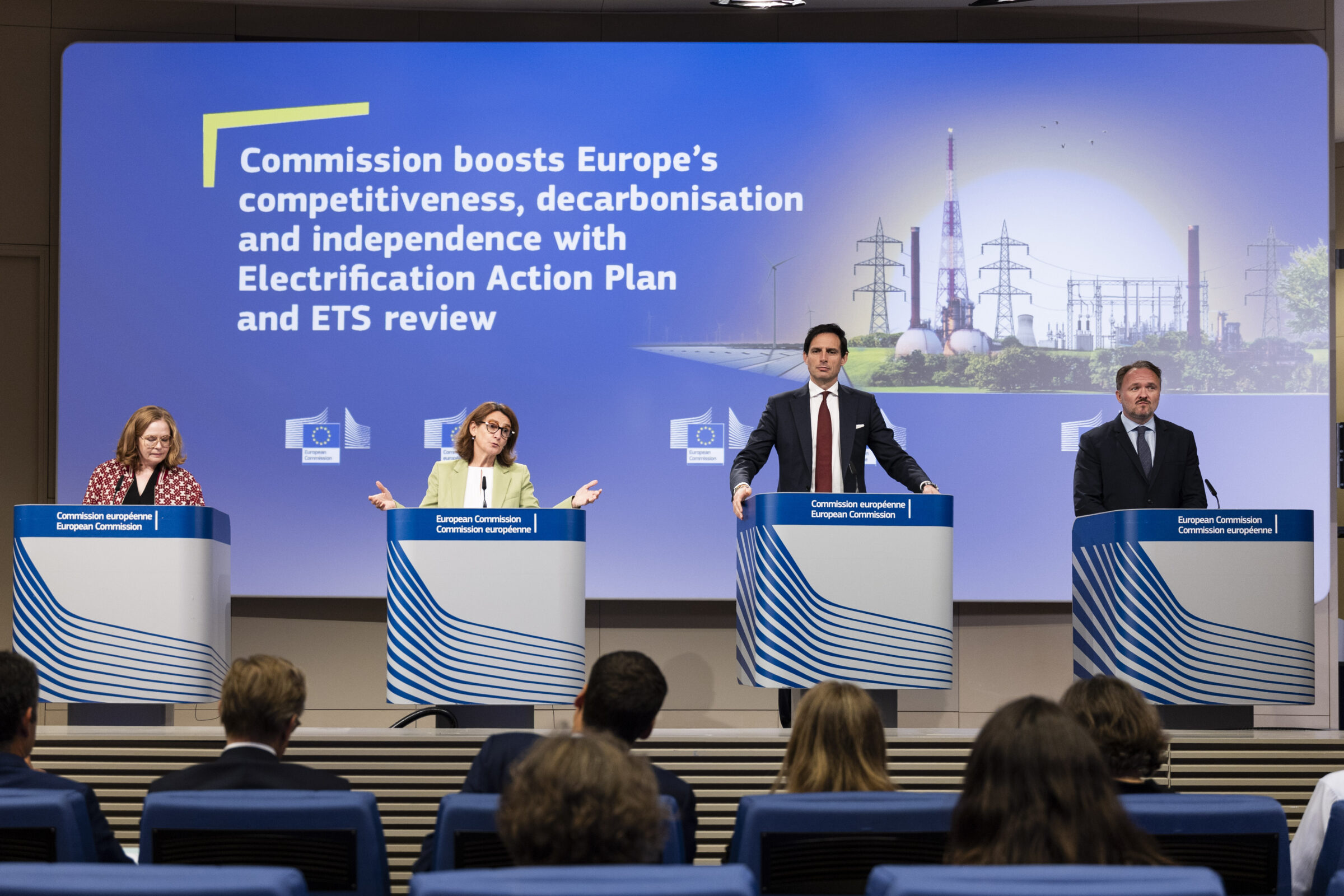
“Decarbonisation is a massive transformation for all our industries, including the car sector. This is akin to a new Industrial Revolution in terms of scale and transformative impact,” EU environment commissioner Wopke Hoekstra told reporters on Tuesday.
![[Interview] ‘Some of the resistance comes from people fearing they’ll end up without a job,’ says industry expert on Europe’s slow electrification](https://static.euobserver.com/2026/07/anja-van-de-gronde-PY7r5dJ_v-Y-unsplash-2400x1602.jpg)



 Ukrainians can do as they please in the Sea of Azov—and they’re turning it into a graveyard for Russian ships (Ukraine Battlefield update, Day 1,609)

 Benjamin Fox