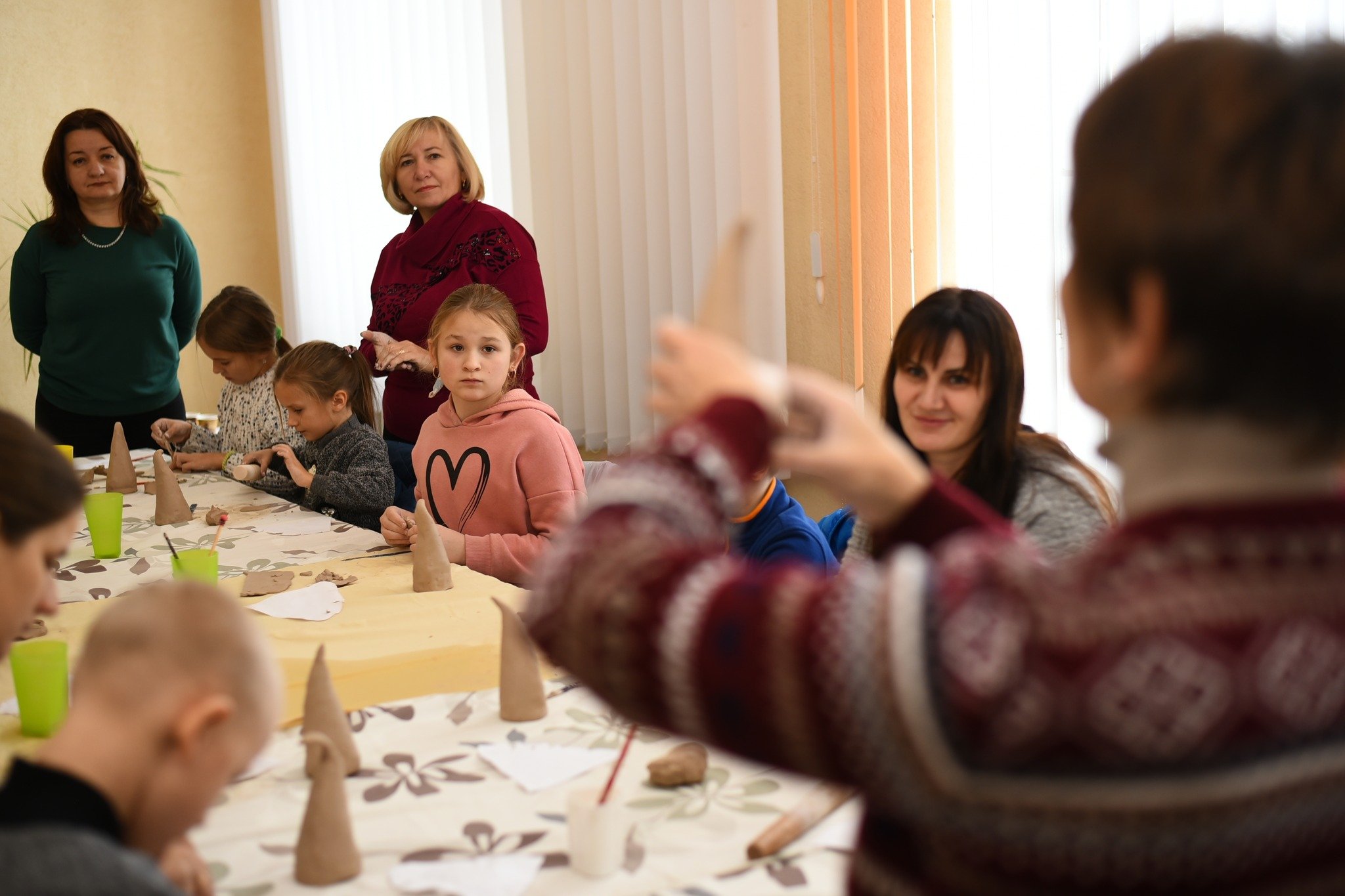
When Volodymyr Yanytskyi left his hometown of Kurakhove in eastern Ukraine in the spring of 2022, the front line was approaching, and staying was no longer viable. Nearly blind — he travelled west with his wife and mother-in-law.
“The goal was to reach a quiet place,” he says. “When there’s silence, you can start again.”
They settled in Volyn region, near Ukraine’s border with Poland, where hundreds of thousands of displaced people have relocated since the start of Russia’s full-scale invasion. Kurakhove, his hometown in the Donetsk region, once had around 20,000 residents and a power plant that supplied much of eastern Ukraine. Today, the area remains under constant threat of shelling.
In his new home, Volodymyr has resumed painting. He has developed a tactile painting technique, using his fingers to apply thick layers of oil paint, building texture to distinguish forms. His canvases depict daily life — people working, streets under reconstruction, and scenes of rural landscapes.
“I don’t make statements,” he says. “I just record what continues.”
Barriers beyond the front line
While fighting has forced millions of Ukrainians to move, for people with disabilities displacement often brings additional complications — from inaccessible transport and housing to bureaucratic obstacles in renewing social benefits or identity papers.
In Torchyn, a small town of about 13,000 people in Volyn, Maria Hlod works to address these gaps. Originally from Kherson, she left after the invasion and now serves as a regional coordinator for the National Assembly of People with Disabilities of Ukraine. Her work focuses on helping displaced people with disabilities access basic services, documentation and mobility equipment.kk
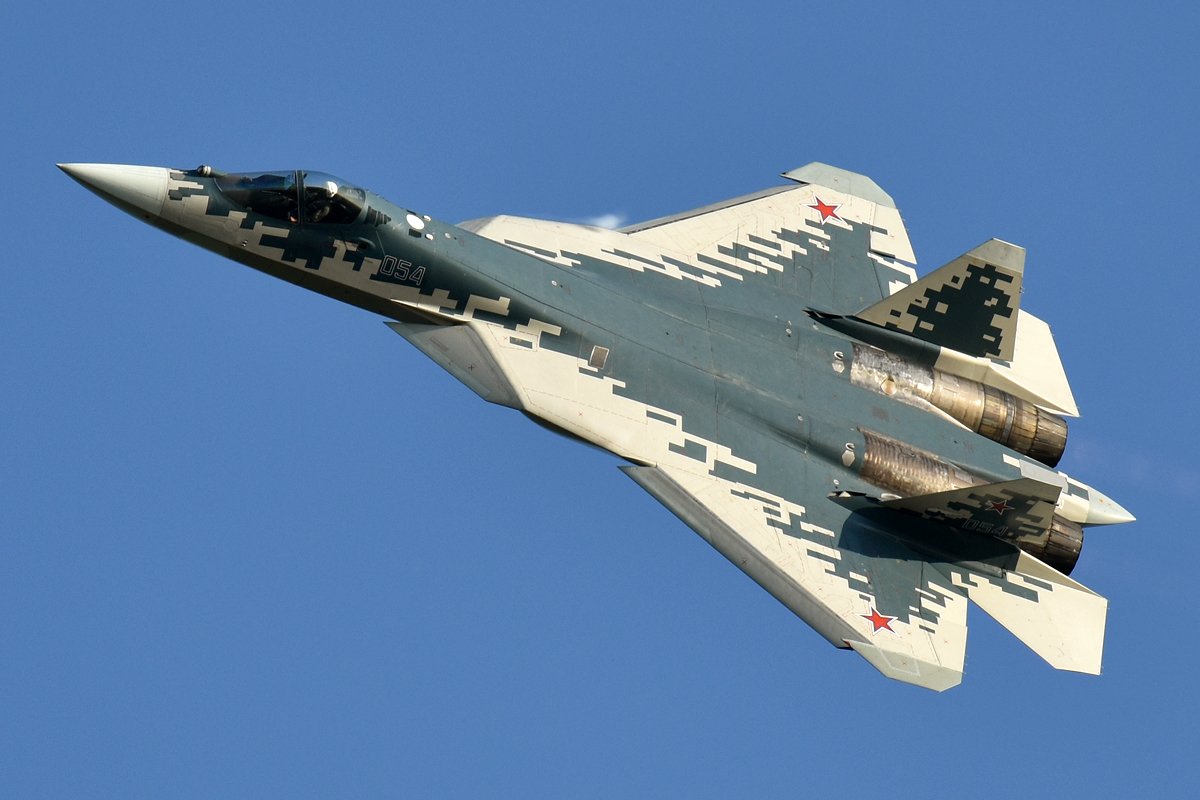
 Russia’s top Su‑57 fighter crashes near Moscow amid claims of Ukrainian cyber “friendly fire” op (Ukraine Battlefield update, Day 1,612)

![As birthrates decline and the workforce empties out, “in some countries, [people] are obliged to retire,”](https://static.euobserver.com/2005/04/677e4ac7c530bd9e00eb0ac007326e19.jpg)