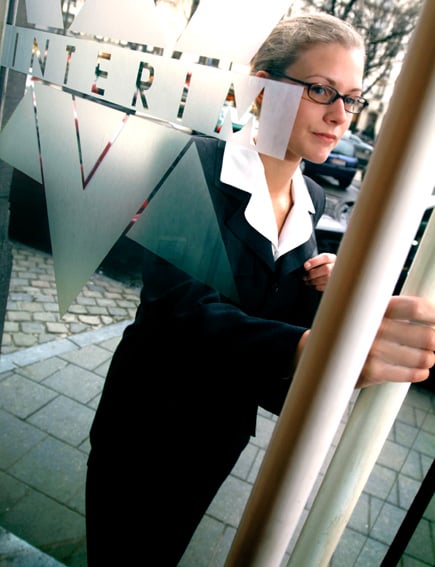
Reach out to blind people, expert tells employment services
Three quarters of 30 million blind and partially sighted in Europe do not have a job, amid accusations of “extraordinary complacency” by government officials.
Three quarters of 30 million blind and partially sighted in Europe do not have a job, amid accusations of “extraordinary complacency” by government officials.
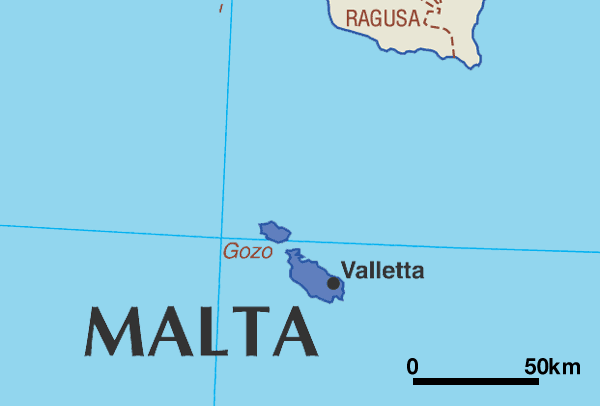
People from Malta are least likely to have health problems that limit their daily activities. In 2011, 88 out of 100 told EU pollsters they were fine. Only 64 percent of Slovenes did, and some 75 percent of EU citizens.
In general in Europe, those in the north are more culturally savvy than those in the south, if statistics are anything to go by. But there are some outliers.

Faced with falling ticket sales, cultural institutions in Europe should be looking both for ways to reach new audiences and keep existing audiences on board, according to the European Commission.

In early 2012, Pablo Lag stood in front of an abandoned, half-constructed house in Alicante and kicked in the door. Inside, he began work on an art exhibition “to make people in the world know what is happening in Spain.”
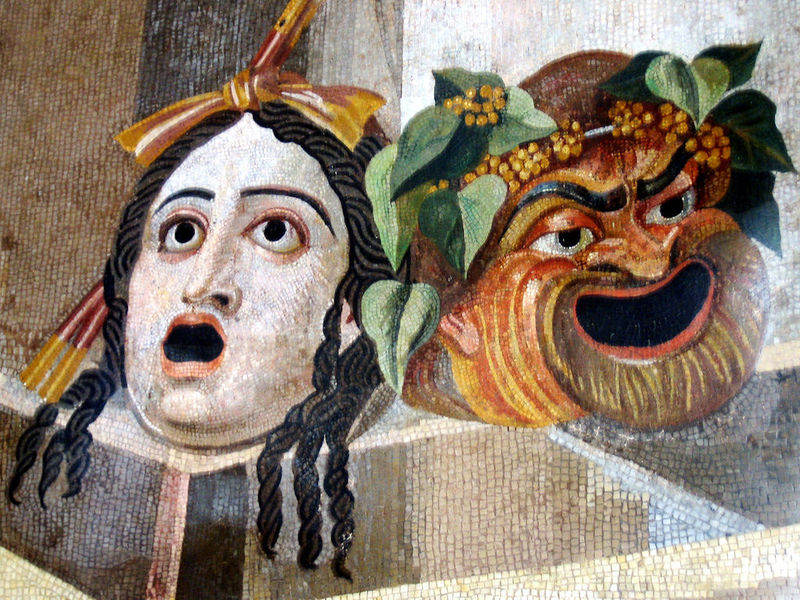
The EU culture budget is a fraction of what member states spend. But its proposed increase is unlikely to emerge unscathed from budget talks.
Influential. Investigative. Independent. EUobserver is a online non-profit news outlet reporting on the European Union.
Influential. Investigative. Independent. EUobserver is a online non-profit news outlet reporting on the European Union.
Influential. Investigative. Independent. EUobserver is a online non-profit news outlet reporting on the European Union.
Influential. Investigative. Independent. EUobserver is a online non-profit news outlet reporting on the European Union.
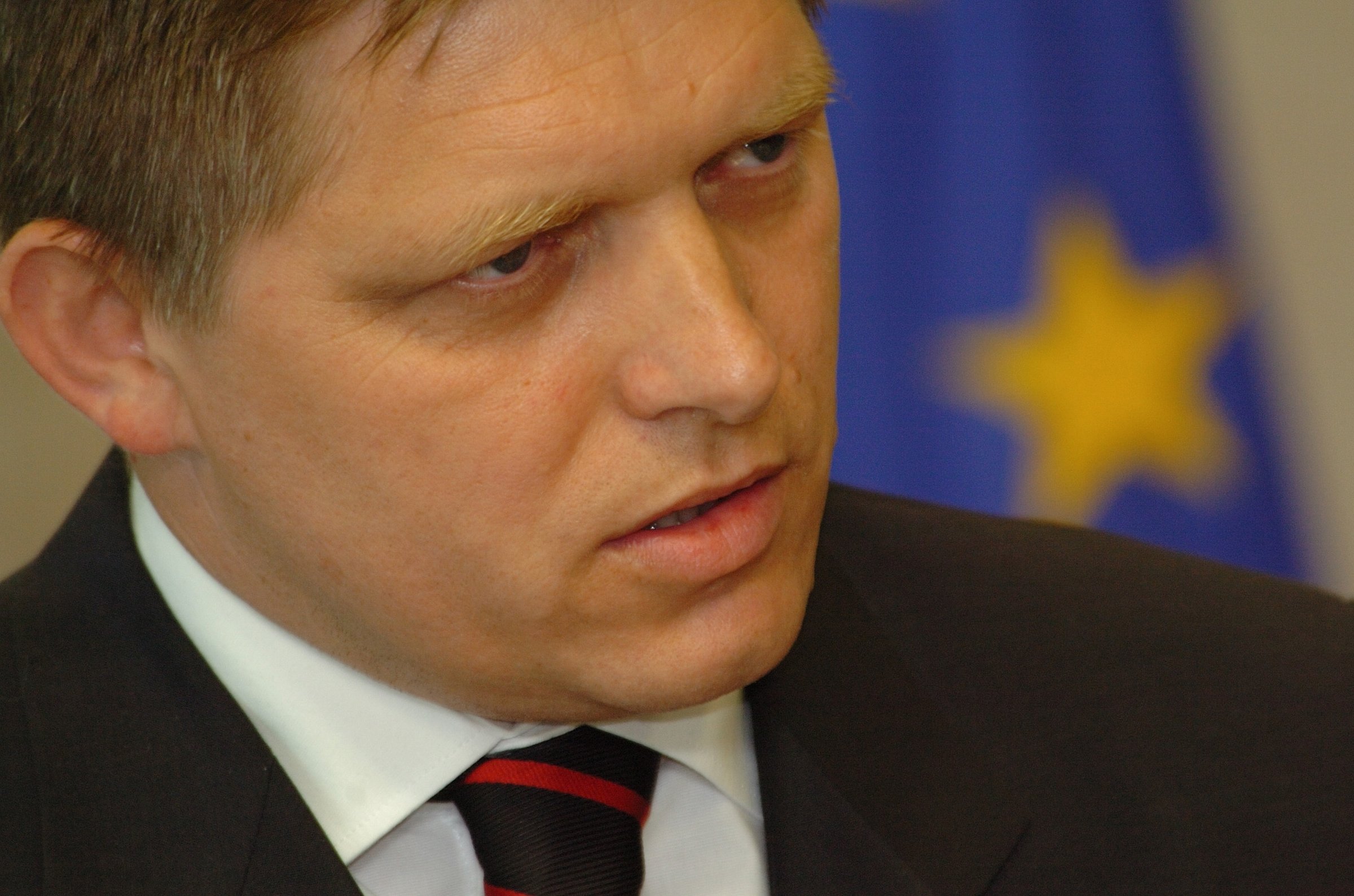
When the Slovak government in 2009 allocated permits to build solar power plants, there was “widespread suspicion that it was rigged to benefit certain individuals,” according to the US embassy in Bratislava. Prime Minister Fico denies the allegations.
Influential. Investigative. Independent. EUobserver is a online non-profit news outlet reporting on the European Union.
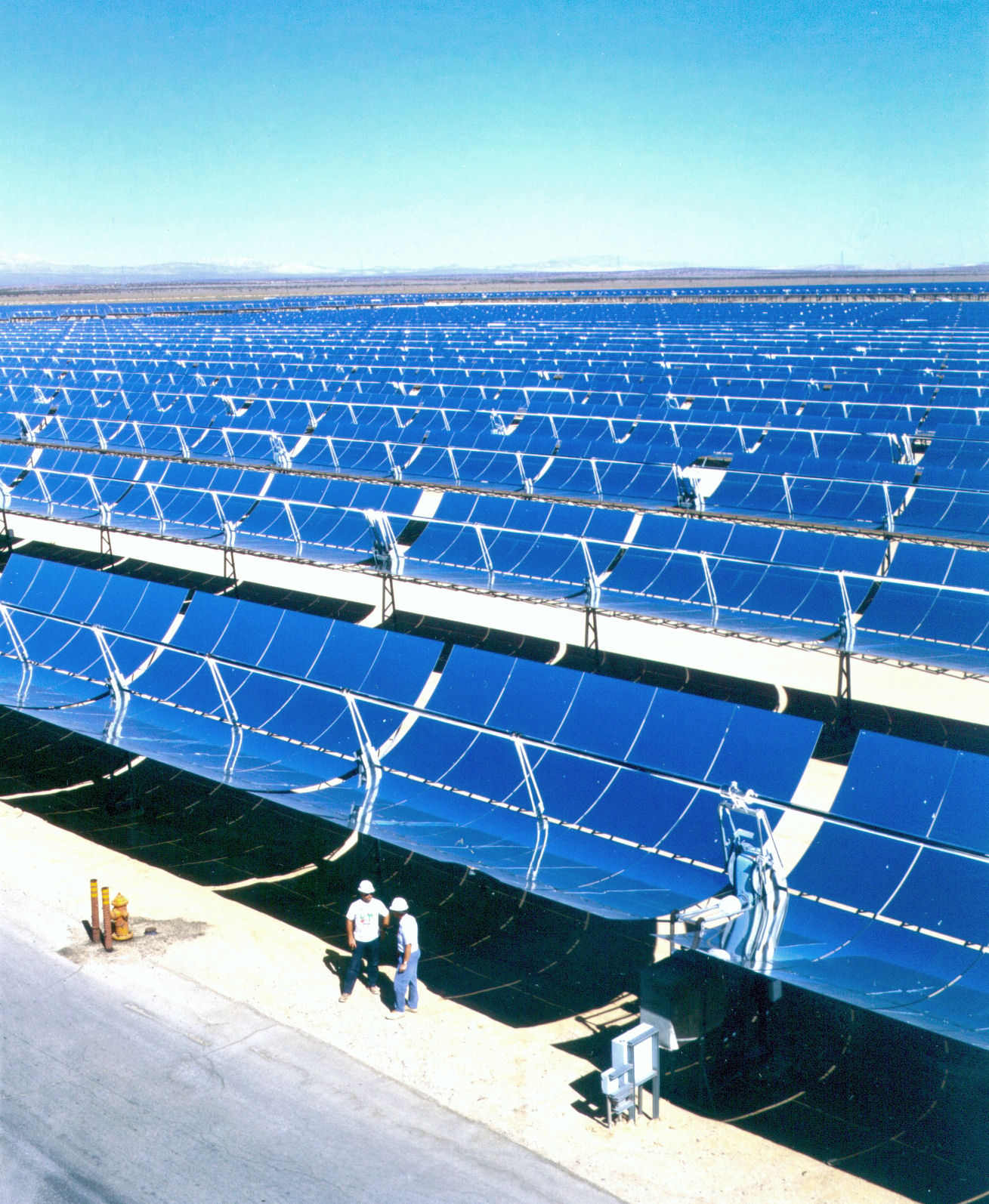
When it comes to solar energy, according to one US entrepreneur, Europe can be proud of itself. Others say more needs to be done.
Europe is the undisputed sun king of the world, with close to 75 percent of globally installed solar panels. But there are big differences between countries, and Germany leads the pack.
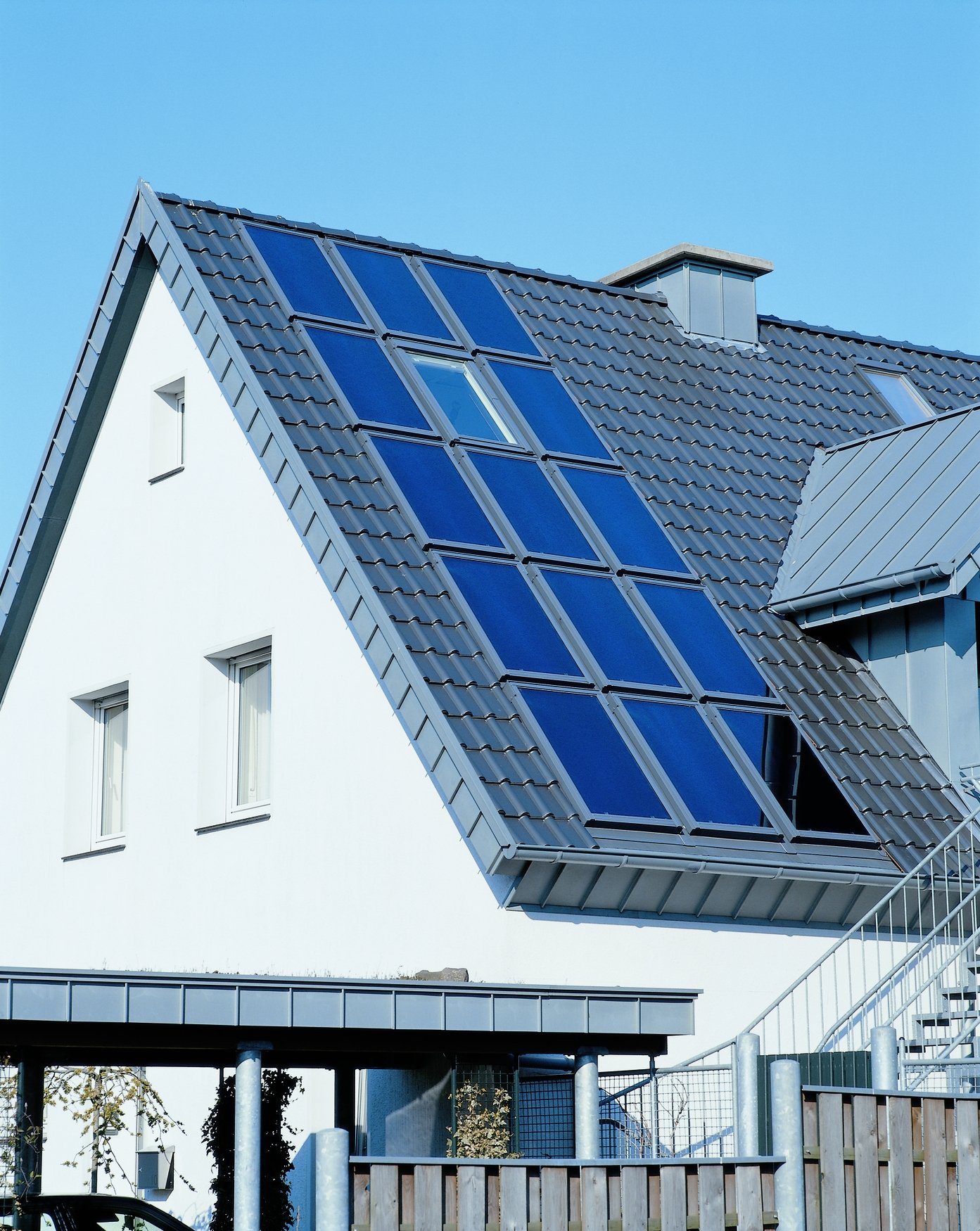
The long list of California cool making its way into European homes got a little longer this year, when a solar company from Amsterdam acquired the license to a new technology to calculate a building’s propensity to generate solar power.
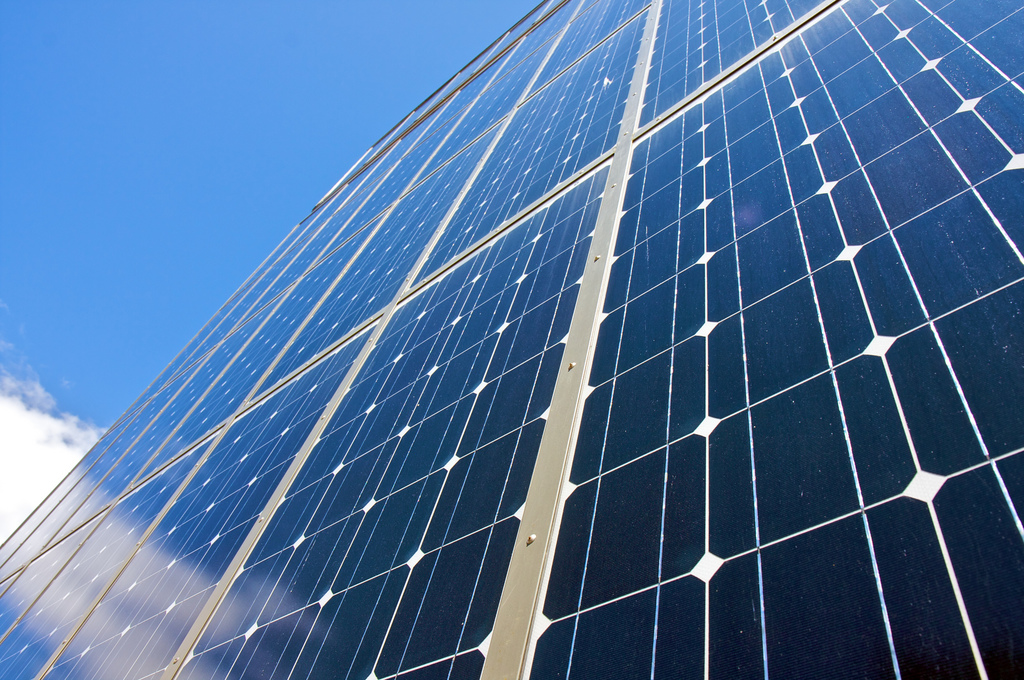
The solar industry is in disarray. But, experts say, this is nothing out of the ordinary. It is just going through a painful but necessary process.
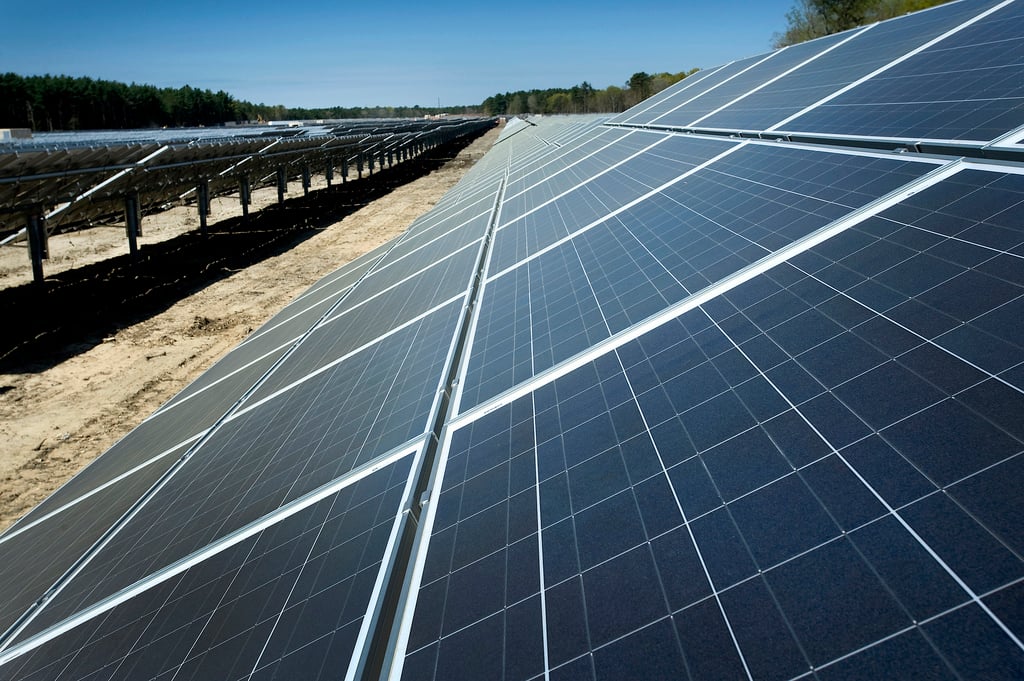
Apart from those spearheading the complaint, people in the European solar sector have expressed little enthusiasm for an EU investigation into possible dumping of solar panels from China.
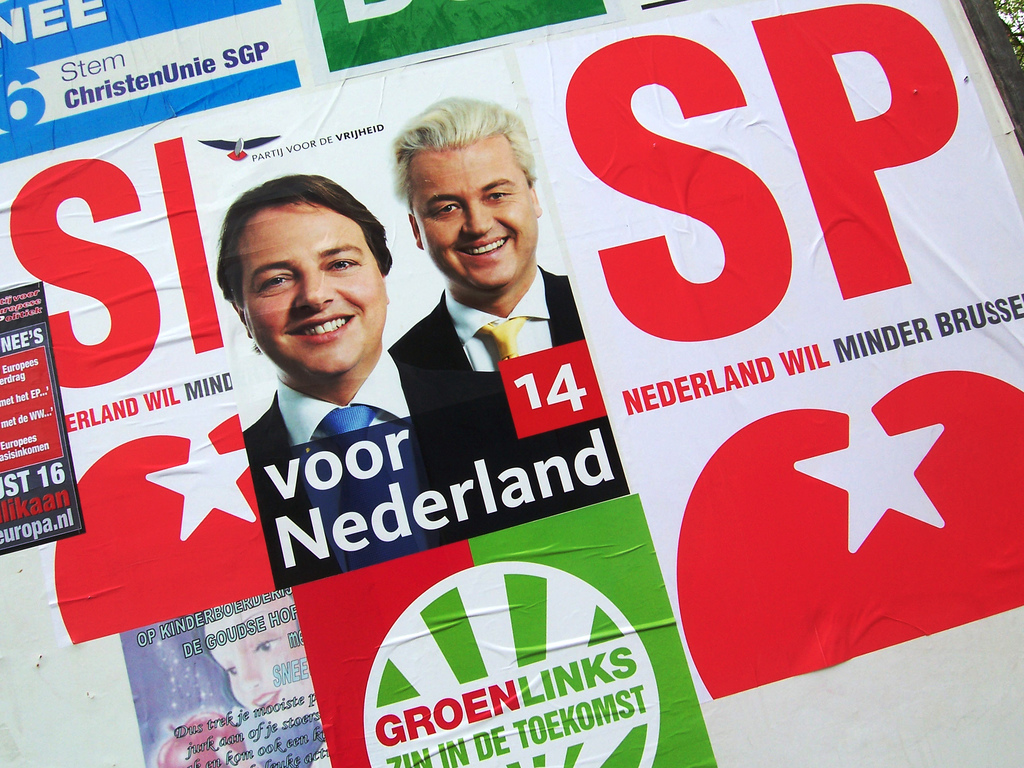
In a replay of events earlier this year when it launched an anti-immigrant website, the Dutch far-right Party for Freedom (PVV) have set up a new protest portal – this time against the EU.
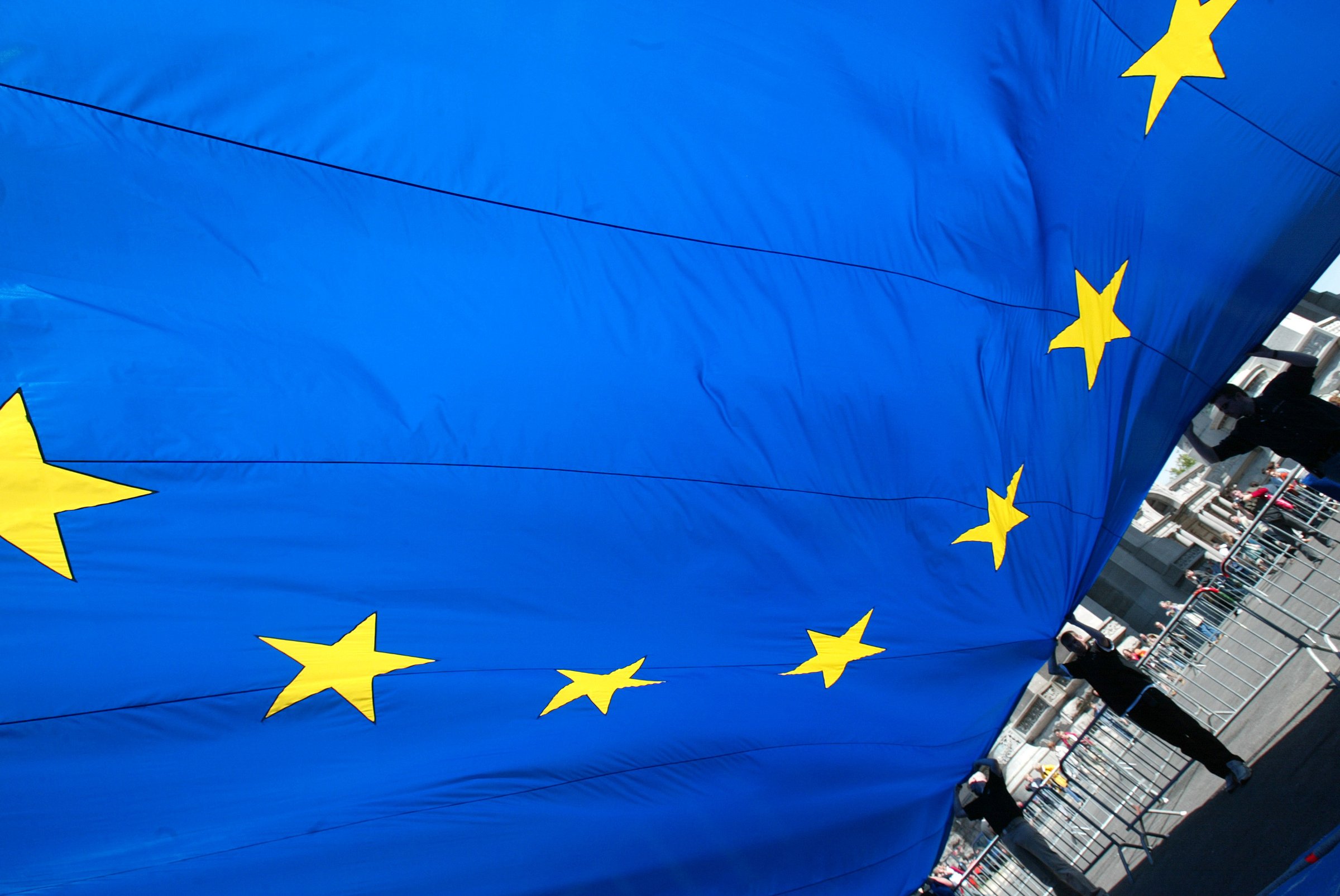
Alfred Heineken did more than brew beer. Twenty years ago, he proposed a “United Europe of 75 states, each with a population of five to 10 million inhabitants”. Today, the idea is more relevant than ever.
Ever since Europe’s economy began spiralling downwards, a growing number of people from Dublin to Athens is learning the language of opportunity: Chinese.