
Frankenpolitics: The Left’s defence of GMOs
Is it beyond the imagination of anti-GM activists that genetic modification could be used for public benefit instead of private profit?
Is it beyond the imagination of anti-GM activists that genetic modification could be used for public benefit instead of private profit?
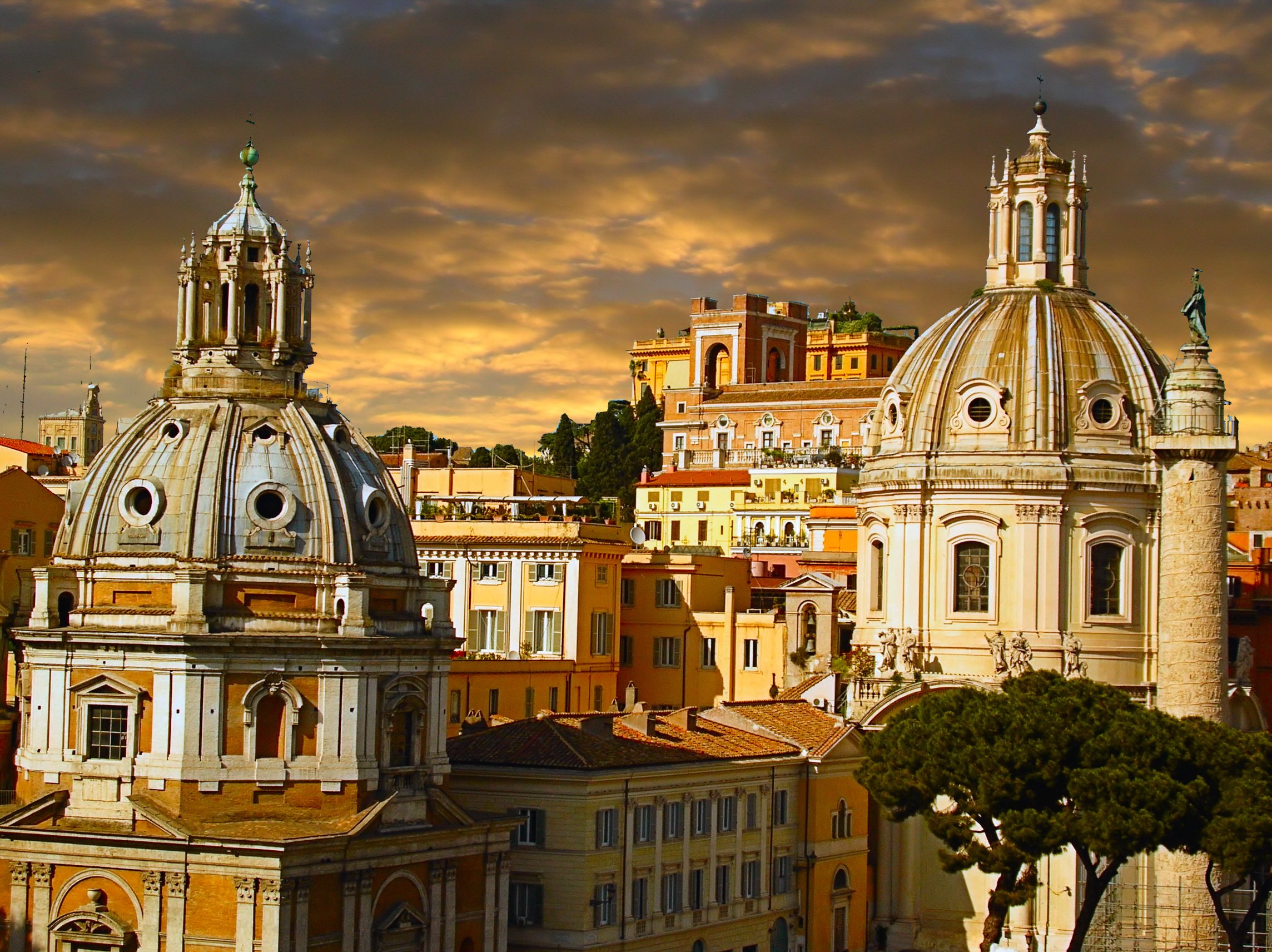
The problem for European power-brokers is that no one other than Monti can be allowed to be Italy’s prime minister, writes Leigh Phillips in this analysis of Italian politics ahead of upcoming national elections.
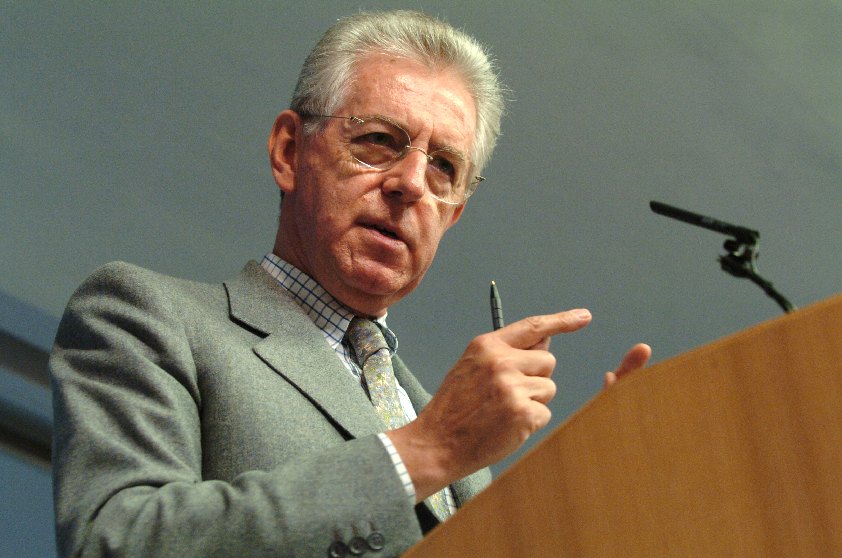
Italian Prime Minister Mario Monti has called for a boost to the size of the eurozone bail-out fund following a mixed response to a series of bond auctions by Rome.
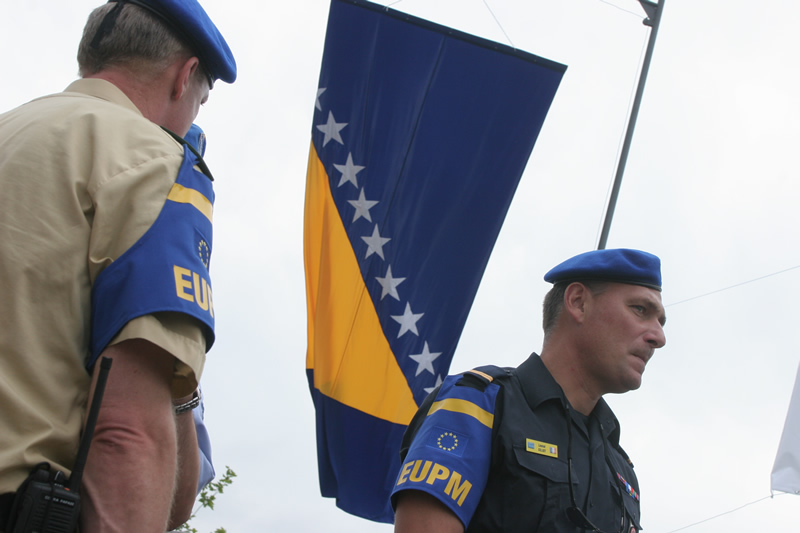
Bosnia’s feuding political factions have backed a new administration for the ethnically divided state, breaking an impasse that has lasted more than a year.

A general election in Greece to replace the technocratic administration of Prime Minister Lucas Papademos has been pushed back to April, governing parties have agreed, although the precise date remains unclear.
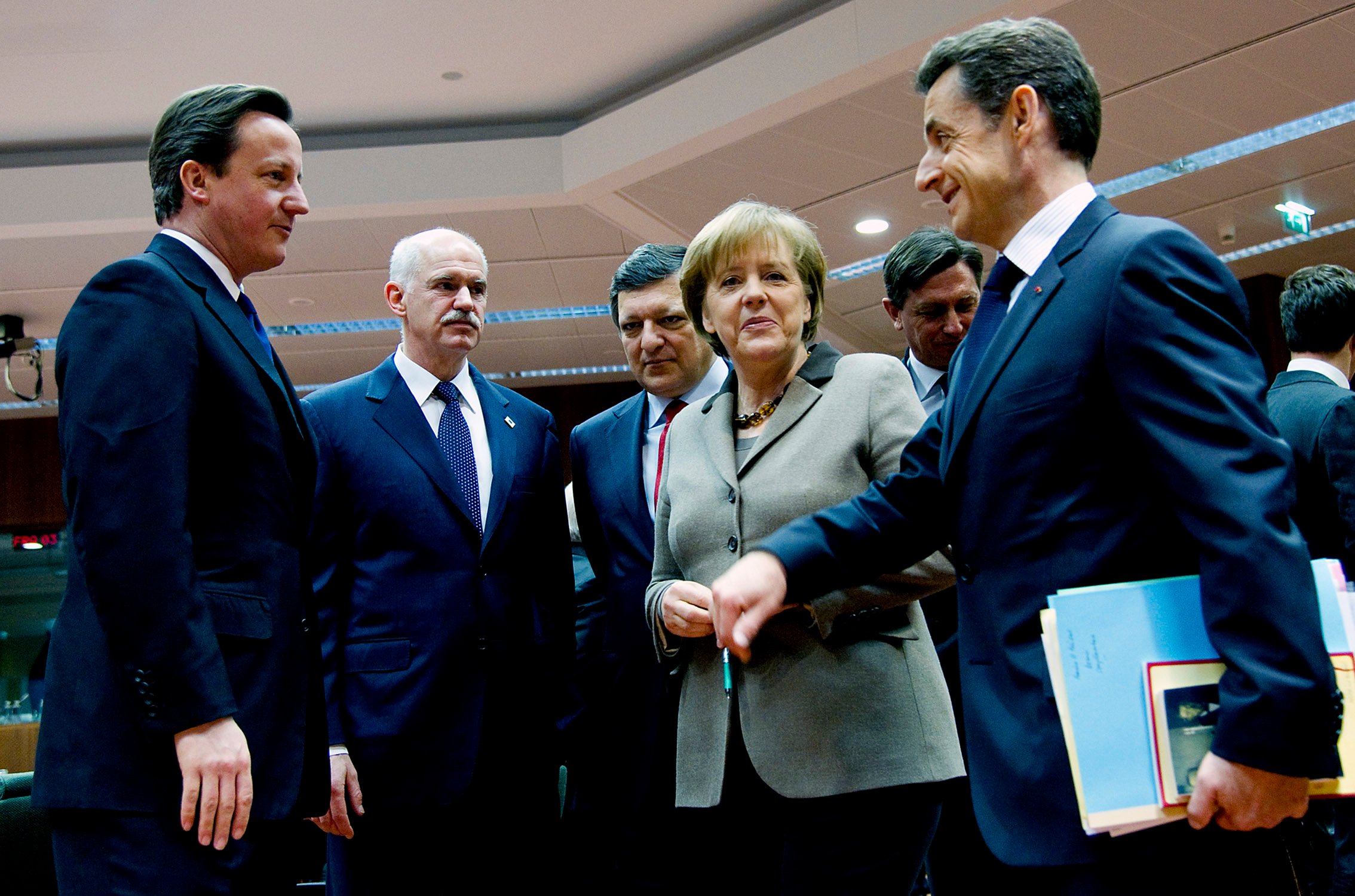
Anglo-French relations plumbed new depths on Thursday when the French central bank said ratings agencies should downgrade Britain and its finance minister compared the UK to Greece.

A majority of French people are opposed to the recently agreed EU plans for a fiscal compact treaty, with opposition Socialist presidential candidate Francois Hollande calling for a renegotiation of the text.
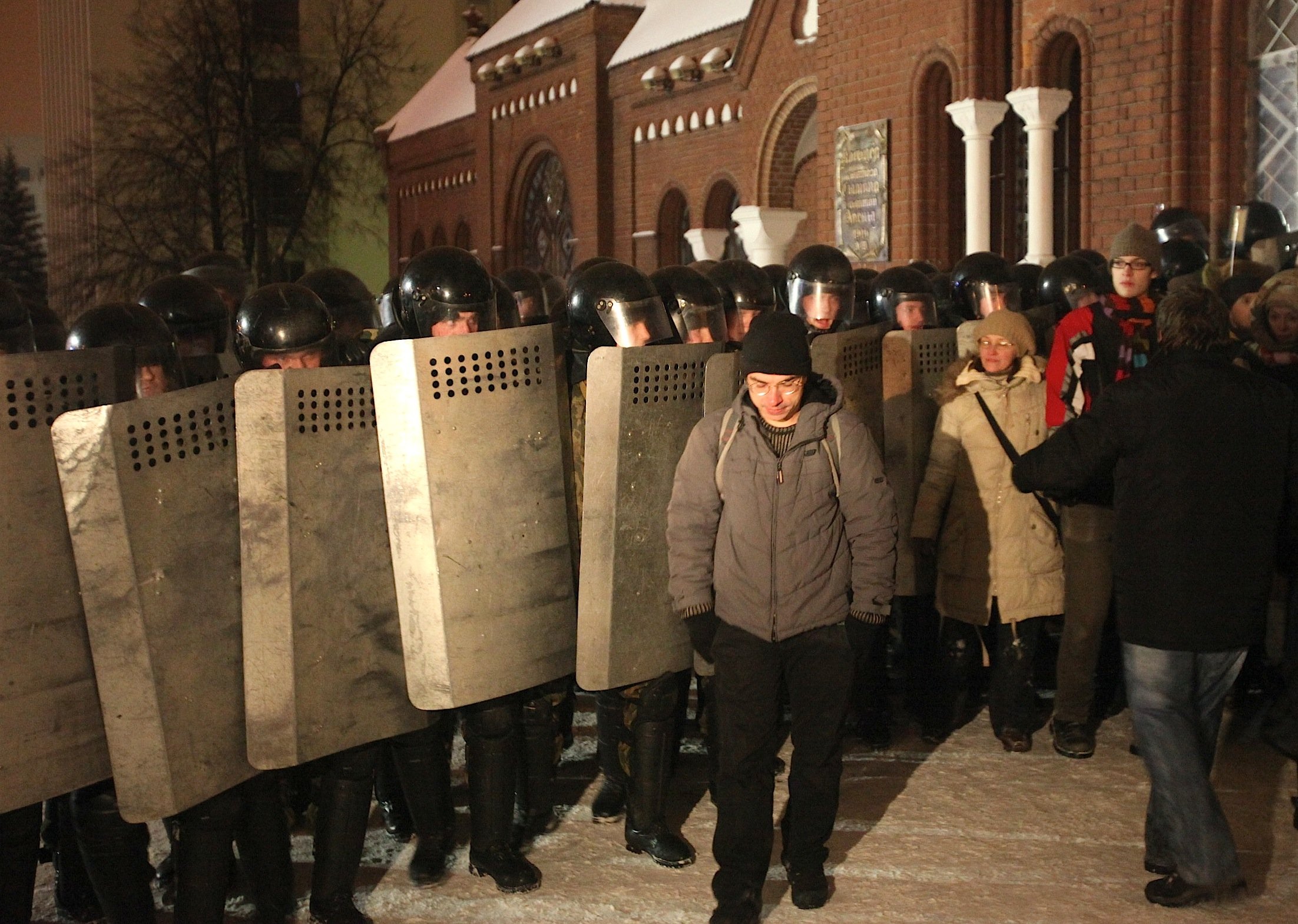
European students have warned that Belarus should not be allowed to join the EU-led higher education zone due to the ongoing repression of students and academics.
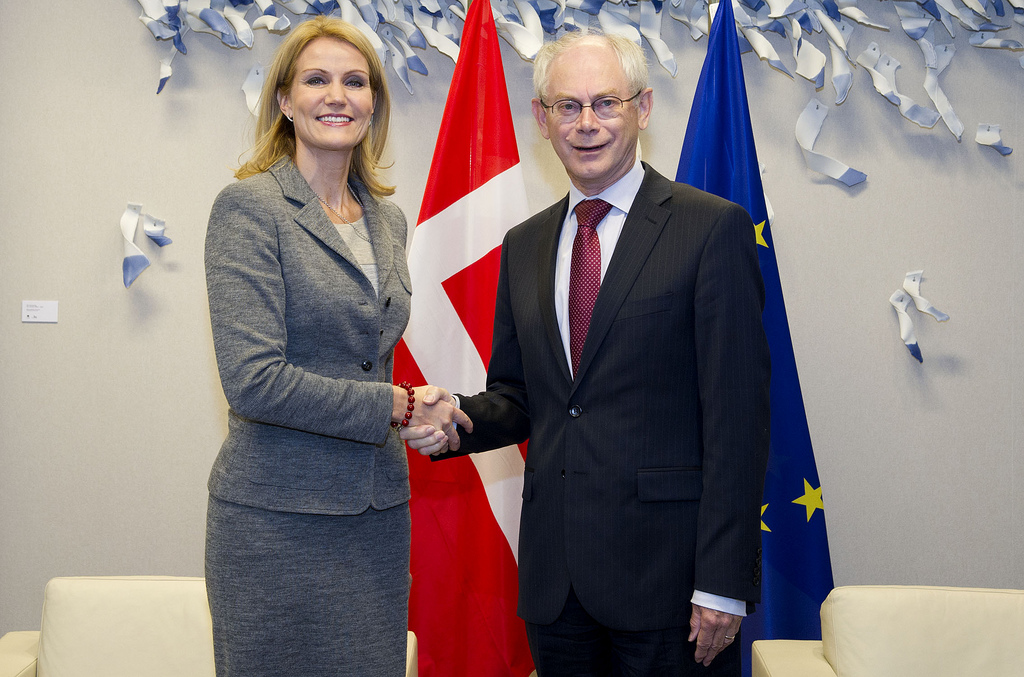
Days away from taking over the EU’s rotating presidency that will be responsible in part for steering through a new intergovernmental treaty, the Danish government has become stuck in a quagmire of domestic resistance to the so-called fiscal compact.
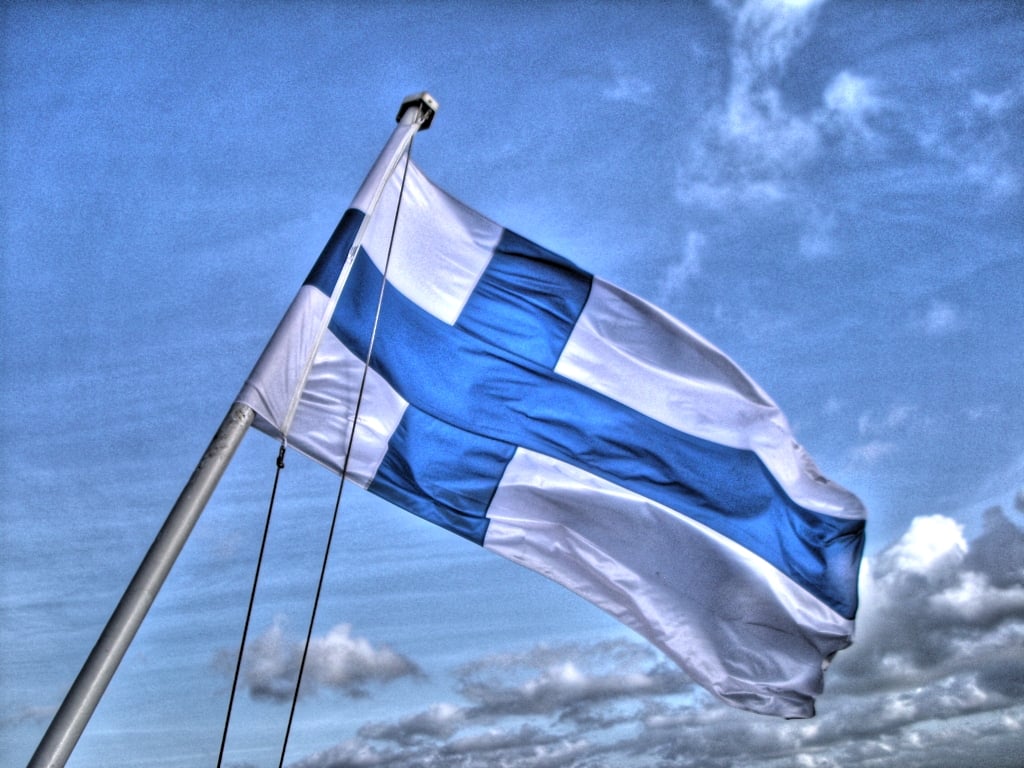
The EU’s new fiscal compact is getting a bumpy ride from a number of quarters, with opposition parties in Ireland warning over loss of sovereignty and the leaders of the Czech Republic and Finland also underlining concerns.
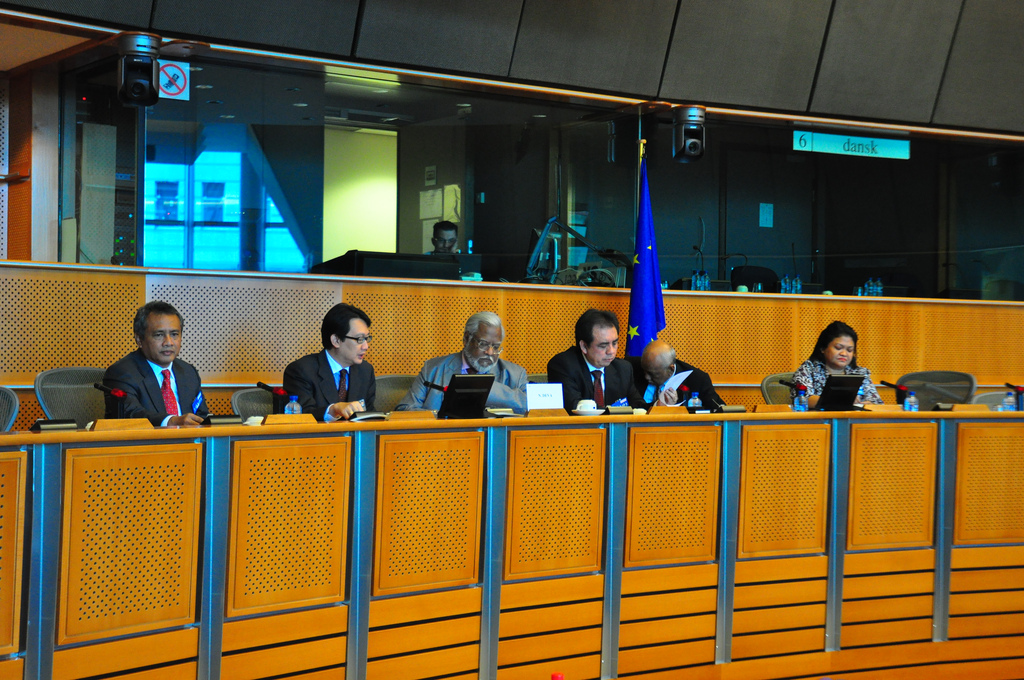
The UK Conservative challenger to the stitched-up election for the presidency of the European Parliament has won the support of a clutch of far-right MEPs, including the British National Party’s Nick Griffin and the Front National’s Bruno Gollnisch.
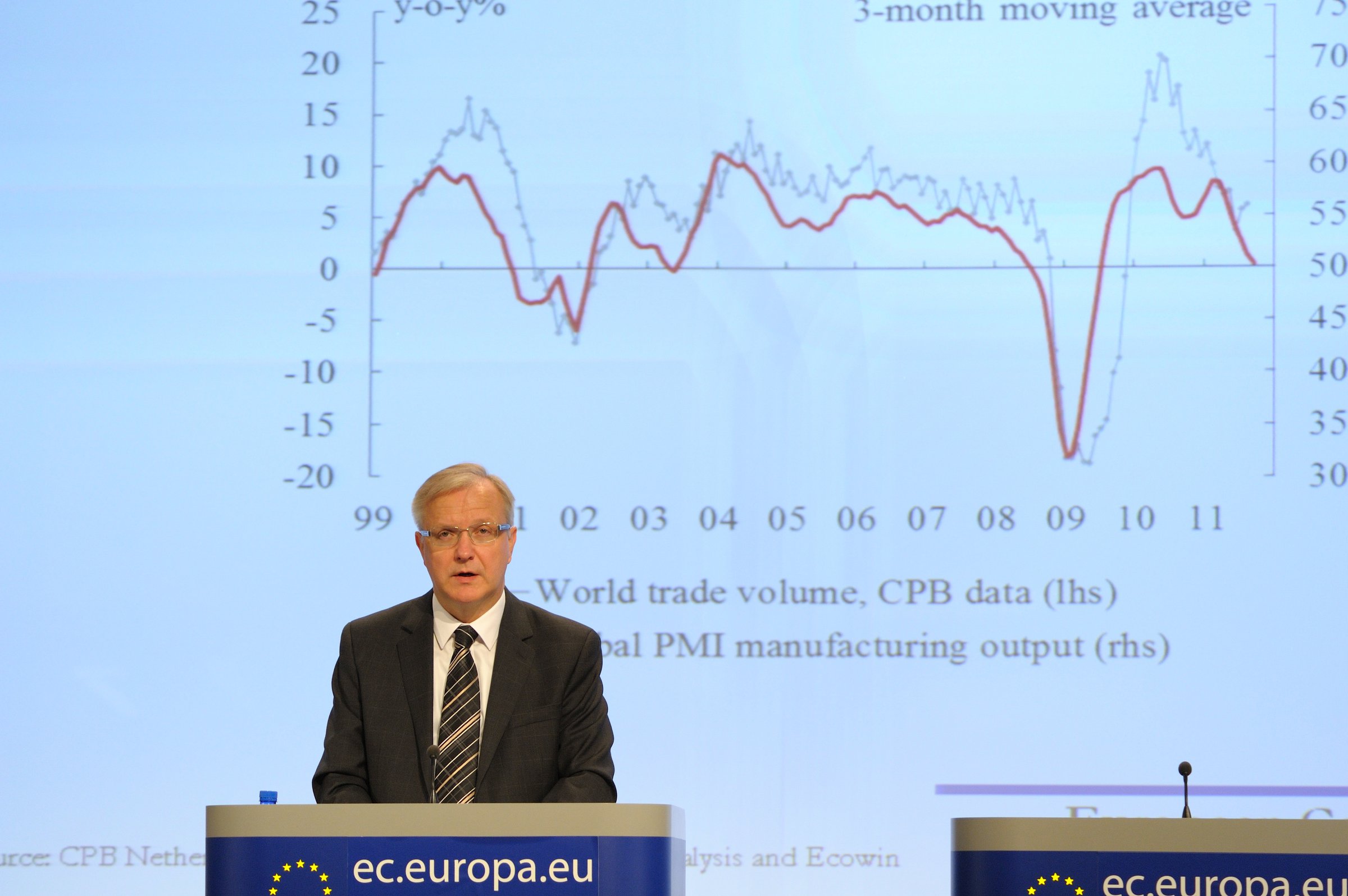
EU economy chief Olli Rehn has warned the City of London will not escape European regulation of the financial sector and insisted there is firm legal ground for the use of the EU institutions to police a new ‘fiscal compact.’
Centre-left politicians in a number of key member states are of mixed opinions about what has been agreed at last week’s EU summit, suggesting that endorsements by parliaments will not be an easy task
Within hours of arriving at a fragile treaty deal for the eurozone and nine other EU states, the agreement delivering deeper integration is already confronting the spectre of multiple referendums and a host of legal barriers.
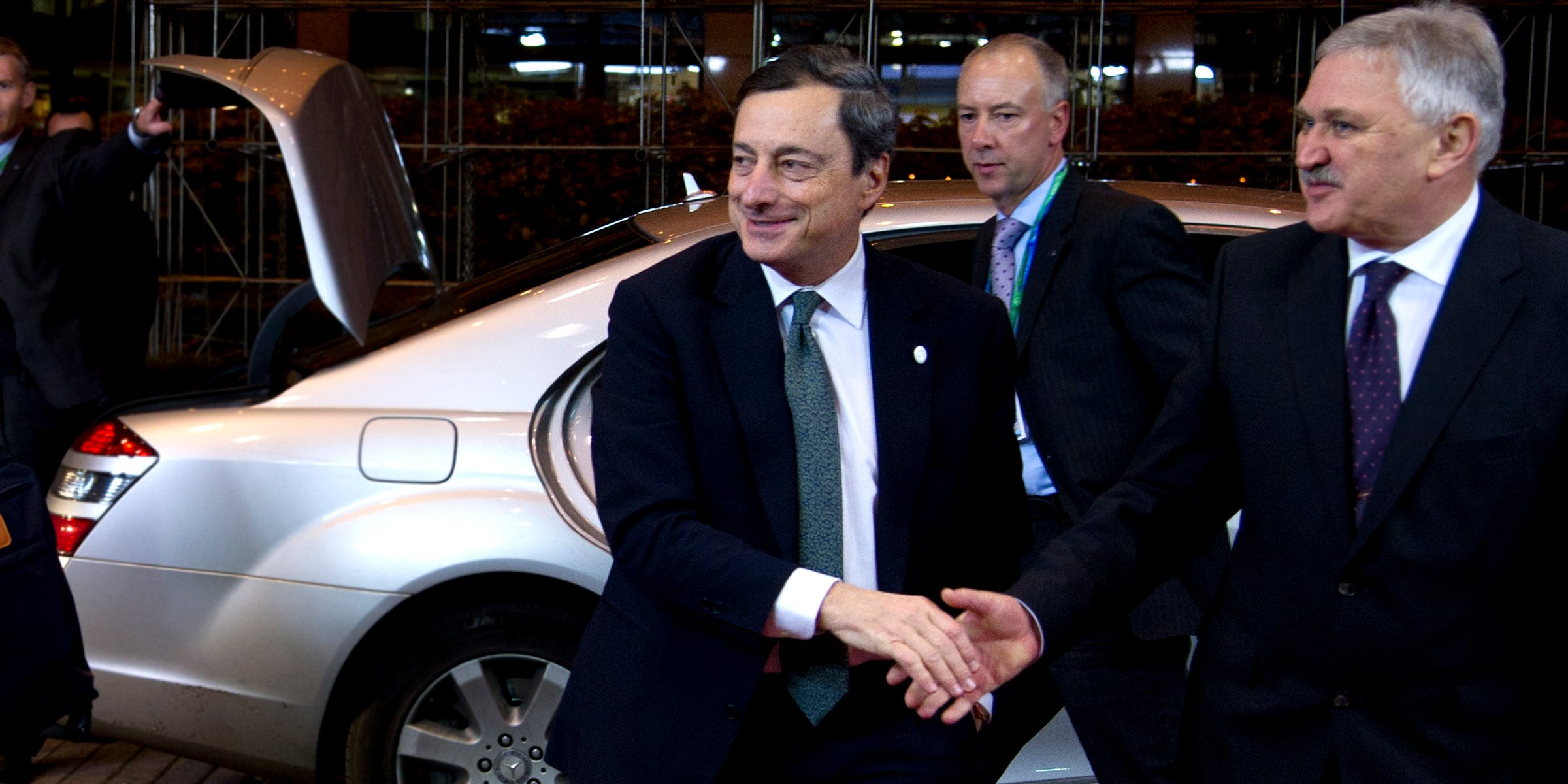
EU leaders have endorsed a series of rules tightening budget surveillance and institutionalising limits on public spending – the ‘fiscal compact’ that the ECB has demanded before it can more aggressively purchase Italian and Spanish debt.
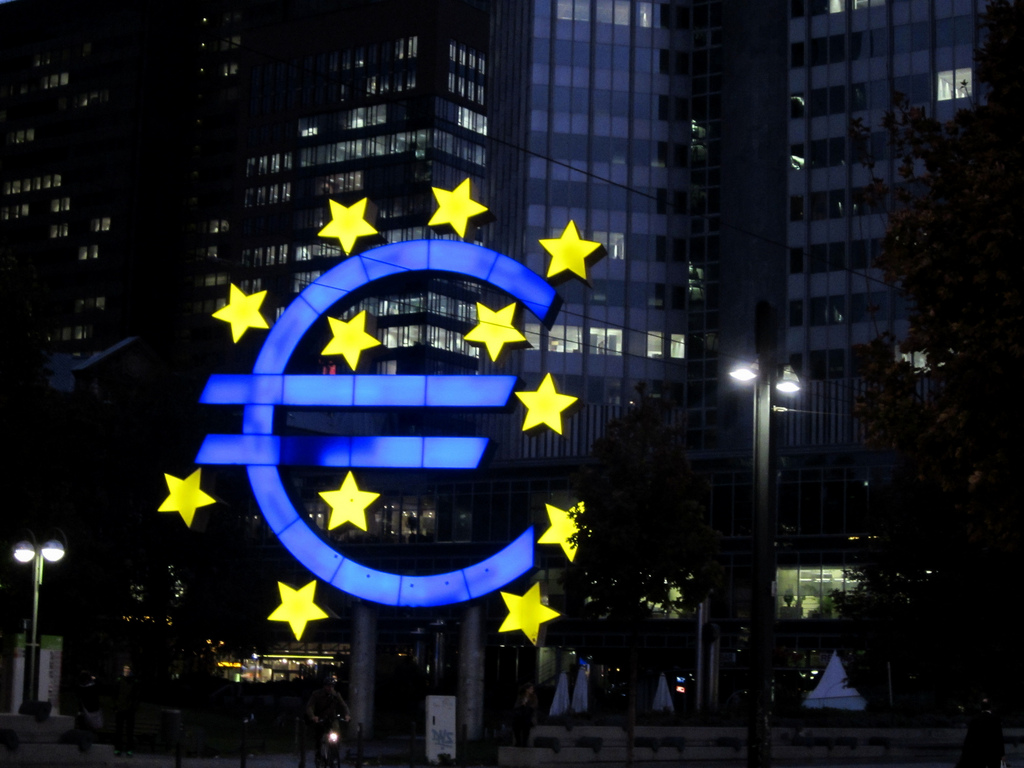
EU leaders are discussing an increase of Europe’s contribution to the International Monetary Fund by €150bn, which could then be used to rescue troubled euro-countries. Meanwhile, the European Central Bank cut interest rates, but failed to help Italy and Spain.
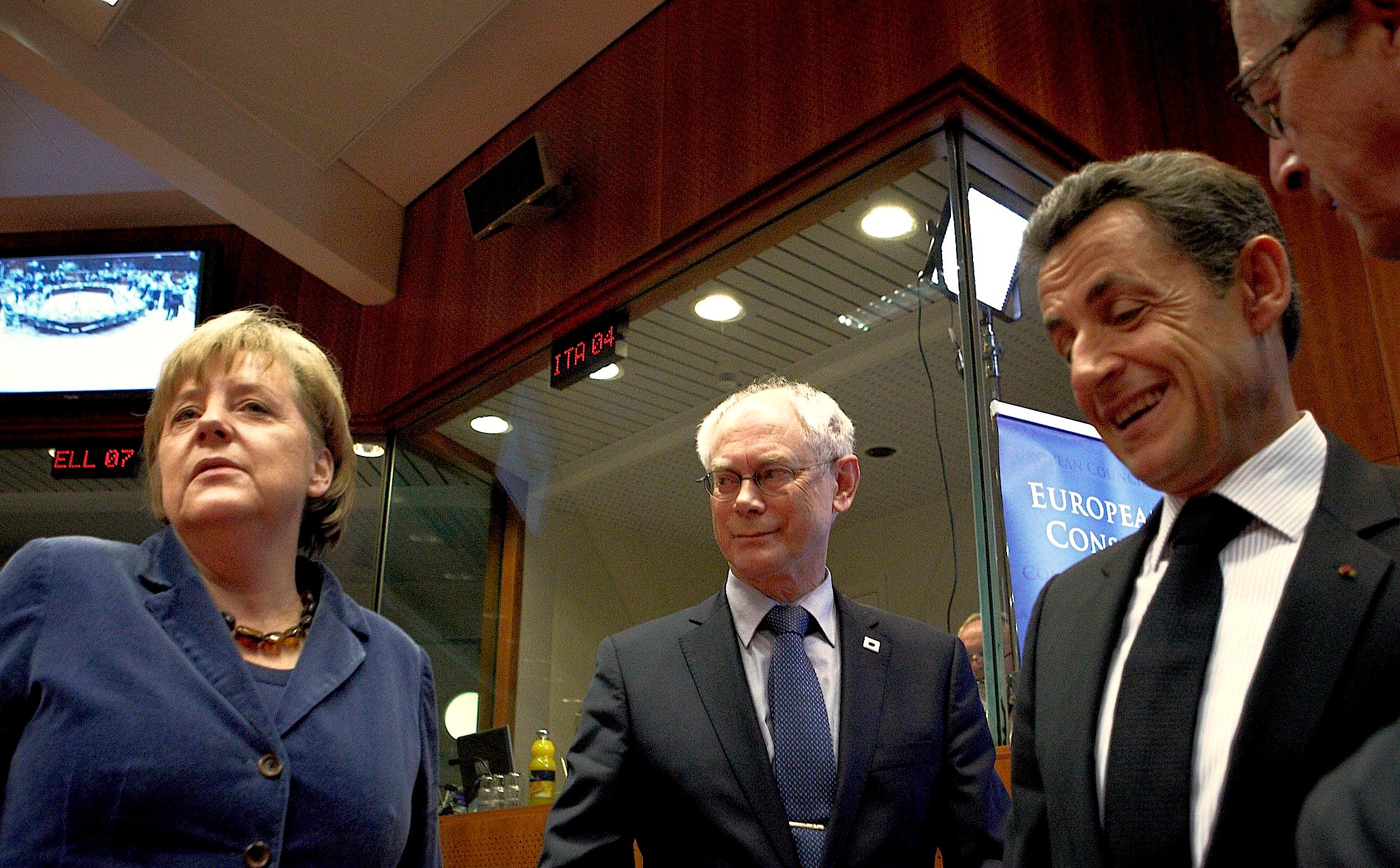
The Franco-German powerhouse has proposed a series of sweeping changes to the bloc’s institutional set-up in an effort to bring an end to the eurozone crisis that has laid low European economies and threatened the survival of the Union.
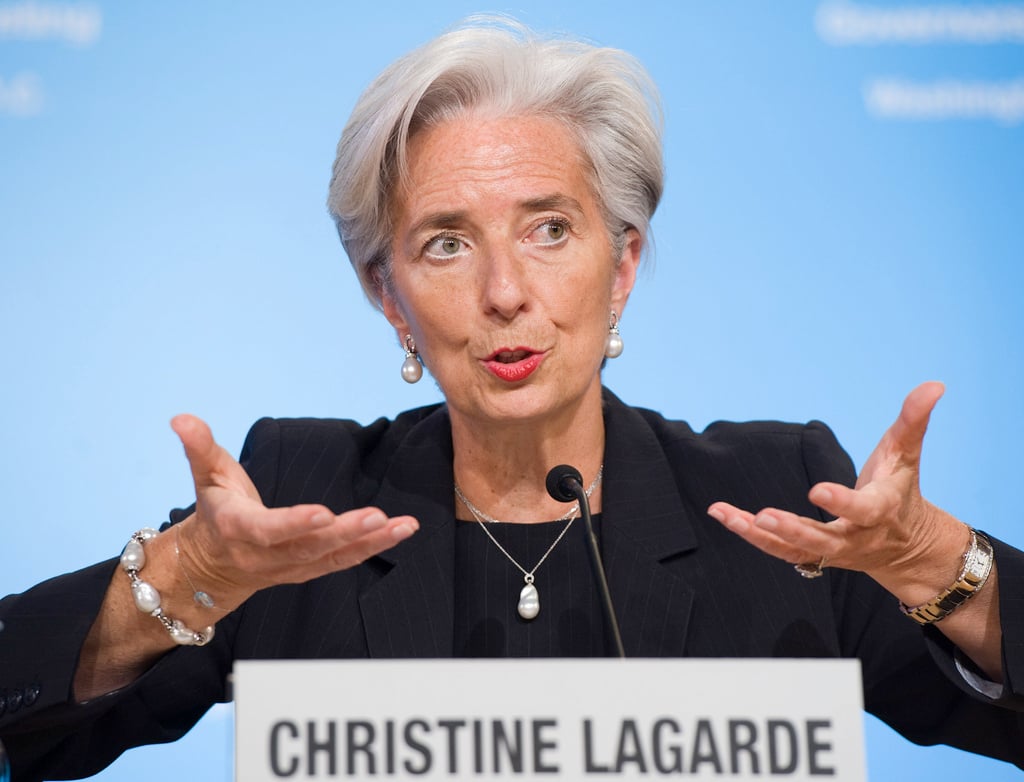
Hopes that the IMF will ride in on a white horse to save Europe are likely to be dashed, as key players on its board believe that the eurozone has enough resources to solve the crisis itself.
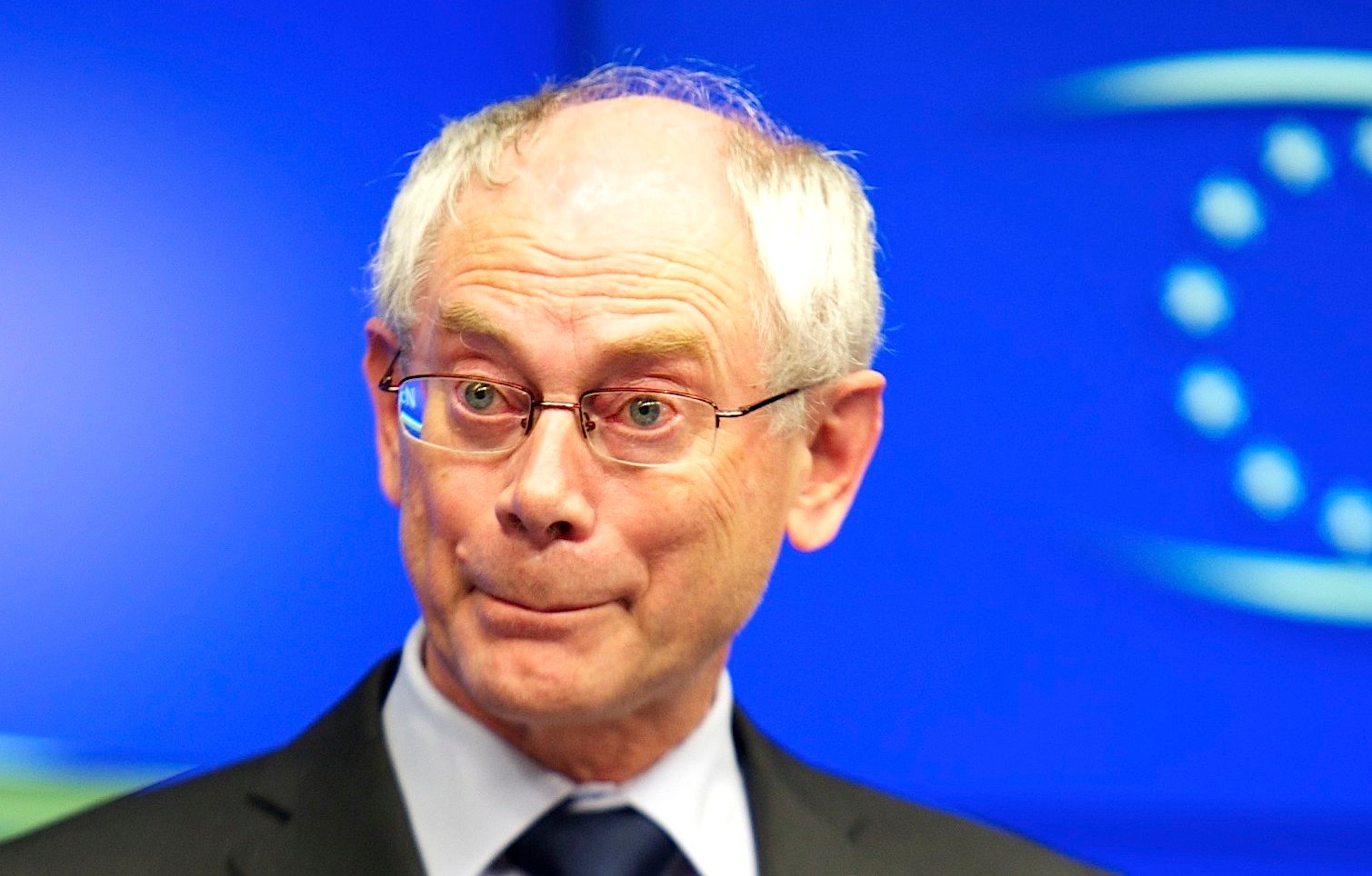
The European Union may be able to winkle out of the fraught process of a full treaty change via a clever legal trick, EU Council President Herman van Rompuy has suggested.
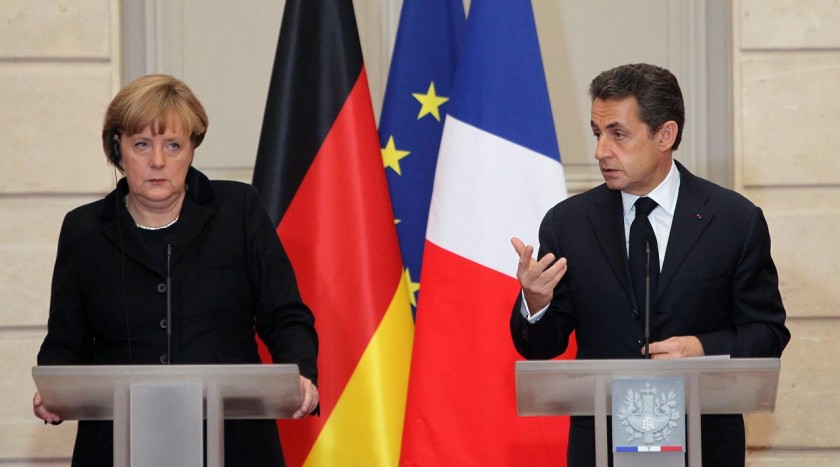
German Chancellor Angela Merkel and French President Nicolas Sarkozy have endorsed an awkward compromise on the wielding of sanctions by the EU’s top court against allegedly fiscally wayward governments.